
Minimizing Downtime: A Property Manager’s Restoration Playbook for Florida Buildings
When water, mold, or fire strikes, every minute of downtime hits your bottom line. As a Florida property manager, you face the tough task of balancing tenant needs with fast, effective restoration. This playbook lays out clear, proven property manager best practices to minimize downtime restoration, protect revenue, and keep your buildings safe—backed by expert techniques like 24/7 emergency water extraction and mold remediation Florida trusts.
Proven Strategies for Restoration

Preparing for Emergencies
Emergencies can strike when you least expect them. Being ready is half the battle. Your first step is developing a solid plan that covers potential disasters like water damage, mold outbreaks, and fire incidents. Know your building inside and out, and identify vulnerable areas. Create a checklist of essential tasks and assign roles to your team. This preparation ensures everyone knows what to do, saving valuable time in the heat of the moment.
Having the right gear is also crucial. Stock up on basics like sandbags for flooding and fire extinguishers for fire outbreaks. Keep emergency contact lists updated, including professional restoration services you trust. Regular drills can make a huge difference. Practice these scenarios with your team to iron out any kinks in your plan. Remember, being prepared reduces stress and leads to faster recovery.
Quick Response Techniques
When disaster strikes, a swift response is vital. Time is your enemy when it comes to water or fire damage. Begin by contacting your emergency team immediately. Quick action minimizes damage and helps in faster restoration. Start with water extraction to prevent mold growth. For fire incidents, focus on eliminating smoke and soot right away.
Using technology can speed up your response. Invest in moisture mapping tools to detect hidden water pockets. HEPA air scrubbers are excellent for maintaining air quality during cleanup. Keep these tools ready for use at a moment’s notice. Involve your tenants in the process. Encourage them to report issues promptly, as this can help in mitigating damage early on. Quick action leads to quicker recovery.
Effective Restoration Practices
Water and Mold Mitigation
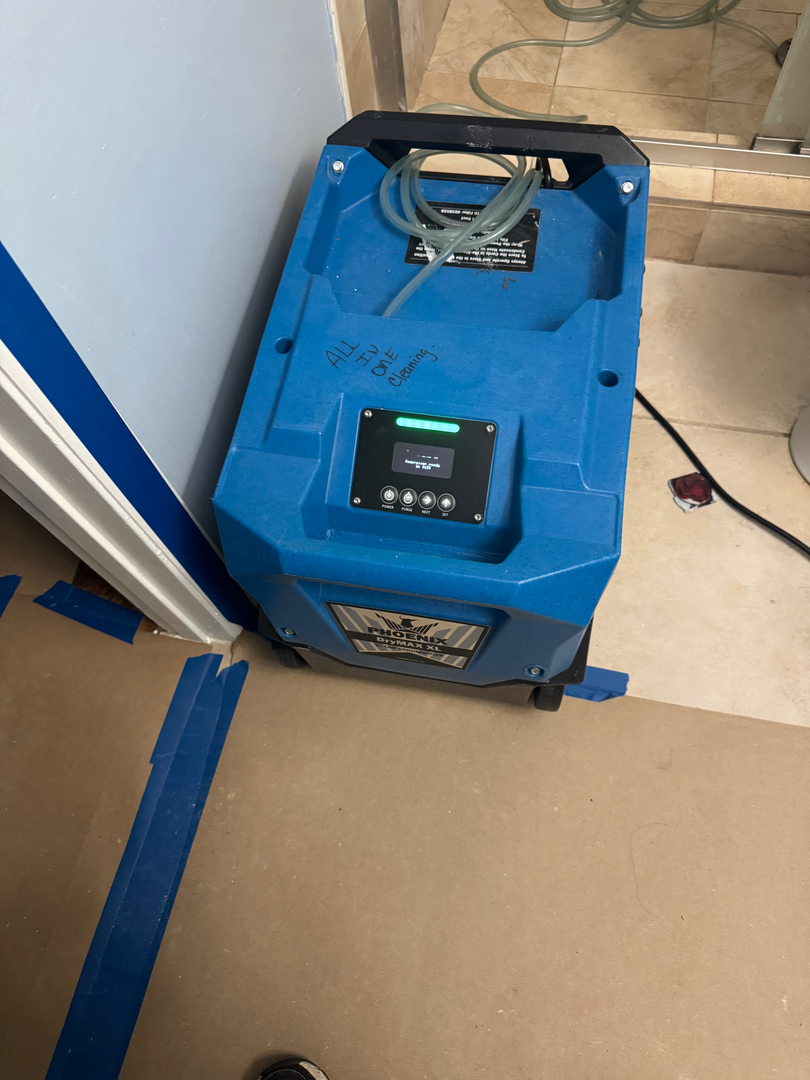
Addressing water damage promptly prevents a ripple effect of problems. Start with water extraction as soon as possible. The longer water sits, the more damage it does. Implement structural drying and dehumidification to eliminate hidden moisture. This step is critical to halt mold growth, which can begin within 24 to 48 hours.
Mold can be a silent invader. Regular inspections help catch it early. Engage IICRC certified technicians to tackle mold remediation. These experts use proven techniques to remove mold and restore air quality, ensuring tenant safety. Don’t underestimate the power of a thorough approach. It protects both your property and your peace of mind.
Fire Damage Recovery Steps
Fire leaves a path of destruction that requires careful handling. Begin with a detailed assessment to understand the extent of damage. Remove debris and soot to prevent lingering odors and corrosion. Use specialized cleaning methods to restore surfaces. This helps preserve the property’s integrity and appearance.
Time is crucial in preventing smoke damage. Prioritize air purification using advanced scrubbers. This step protects tenant health and speeds up the building’s return to normalcy. Document every step meticulously. This not only aids in the restoration process but also facilitates insurance claim documentation. Reliable records can make a world of difference.
Strengthening Business Continuity

Crafting a Response Plan
A well-crafted business continuity plan is your roadmap to resilience. Start by identifying critical operations and the resources they require. Outline procedures for maintaining these functions during an emergency. Don’t go it alone—engage your team in creating this plan for broader insights and collective ownership.
Test your plan regularly. Drills and simulations reveal weaknesses and allow for timely adjustments. Keep the plan accessible and update it as your business evolves. A robust plan minimizes downtime and ensures your operations can weather any storm. It’s not just about survival; it’s about thriving despite challenges.
Communicating with Tenants
Clear communication with tenants builds trust and cooperation. Inform them of your emergency procedures and what they can expect. This transparency fosters a sense of security and prepares them to act swiftly if needed. Provide regular updates during restoration, keeping them in the loop reduces anxiety and maintains goodwill.
Address concerns promptly. Listening to tenant feedback can offer valuable insights and improve your processes. Remember, a well-informed tenant is a cooperative tenant. Your communication strategy not only eases restoration but also strengthens tenant relationships for the long term.
In summary, proactive preparation and swift action are keys to minimizing downtime during restoration. With effective strategies and clear communication, you can protect your property, support your tenants, and safeguard your business interests. Always remember, in the face of adversity, being prepared and informed makes all the difference.
https://allinonecleaningrestoration.com/blog/