
Why Air Quality Testing Matters After Mold and Fire Damage in Florida
Mold spores, soot particles, and invisible gases can linger long after fire or water damage seems resolved. These hidden threats affect your indoor air quality and put your family’s health at risk. This is why air quality testing plays a crucial role before, during, and after mold remediation and fire damage restoration. Learn how expert assessment with All In One Cleaning & Restoration FL ensures your Florida property is truly safe to breathe again.
Health Risks of Post-Damage Air Contaminants
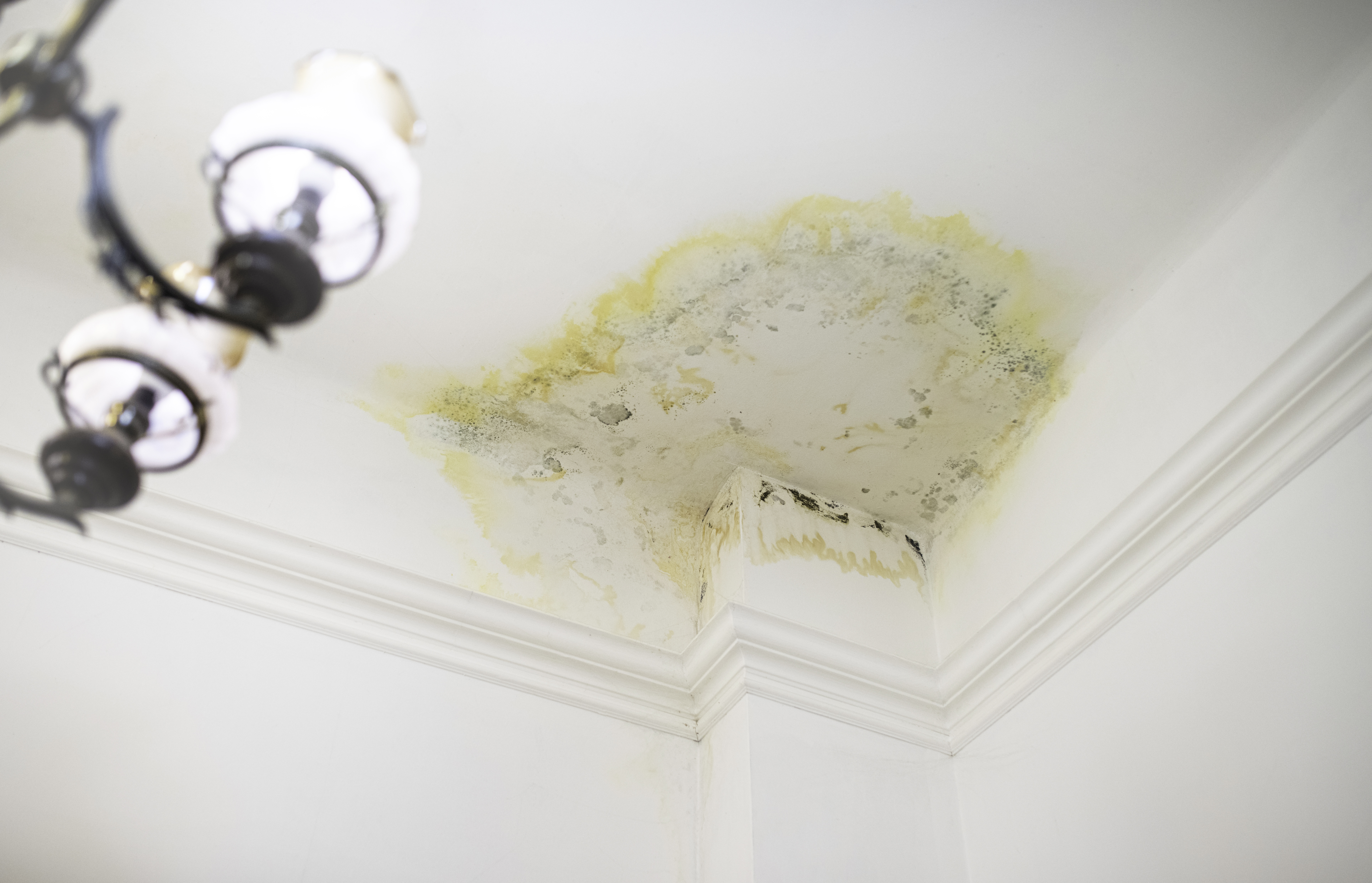
After damage occurs, the air in your home can become a hidden danger. Unseen threats like mold spores and soot can linger, posing serious health risks. Here’s what you need to know.
Understanding Mold Spores and Mycotoxins
Mold spores are tiny but mighty when it comes to causing trouble. They can spread quickly through the air, especially after water damage. These spores often carry mycotoxins, which are toxic substances that can harm your lungs and immune system. Imagine mold spores as uninvited guests in your home, making themselves comfortable on surfaces and in the air. If left unchecked, they can lead to issues like coughing, sneezing, and even asthma attacks. To safeguard your health, it’s crucial to address mold promptly and effectively.
The Dangers of Soot and VOCs
After a fire, soot and volatile organic compounds (VOCs) can linger in the air. These particles are not just dirty; they’re dangerous. Soot particles are fine and can penetrate deep into your respiratory system, causing irritation. VOCs, on the other hand, are gases released from burning materials and can lead to headaches, dizziness, and even more severe health problems over time. Most people underestimate these dangers, but understanding them is the first step to protection.
Fine Particulates and PM2.5 Impact
Fine particulates, especially PM2.5, are tiny but powerful. These microscopic particles can easily enter your lungs and even your bloodstream. They often result from burning materials and can worsen respiratory issues. Studies show that PM2.5 exposure is linked to increased hospital visits for lung and heart conditions. Don’t let these invisible invaders compromise your family’s health. Knowing about PM2.5’s impact emphasizes the importance of proactive air quality measures.
Professional Air Quality Testing Protocols
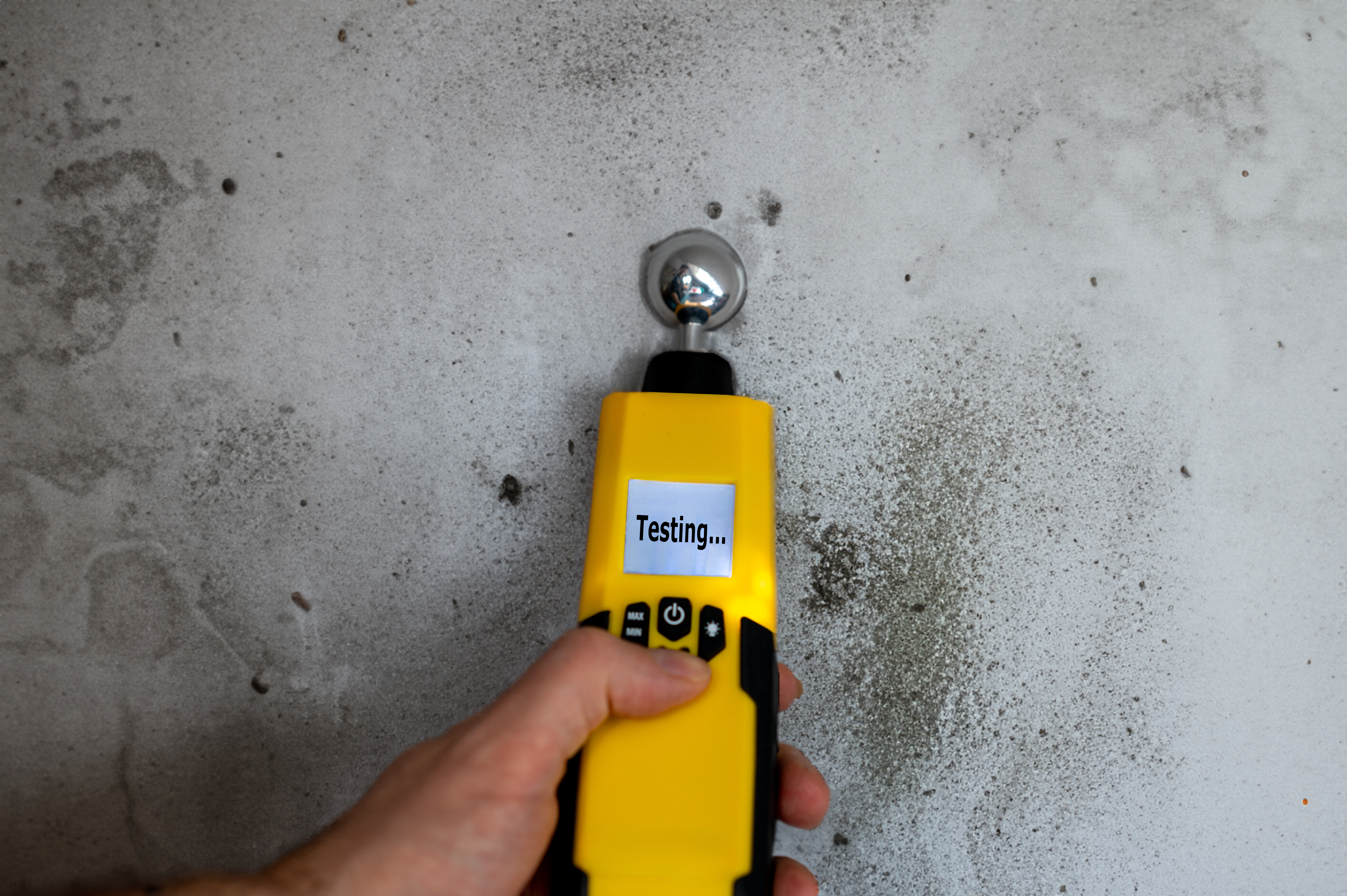
Ensuring your home’s air is safe requires more than just a simple glance. Professional testing protocols help detect and manage hidden dangers effectively.
When to Schedule Mold Air Testing
Timing is key when it comes to mold air testing. Testing should occur at three critical points: before remediation, during the process, and after completion. Before testing identifies the scope of the problem. During testing monitors the effectiveness of ongoing efforts. Lastly, post-testing ensures that remediation was successful and the air is safe. This comprehensive approach not only provides peace of mind but also prevents future mold growth.
Effective Post Fire Air Testing Techniques
Testing the air after a fire involves specific techniques to identify lingering pollutants. Specialists use advanced equipment to capture air samples, which are analyzed for soot and VOCs. The results guide further cleaning and ensure that all harmful elements are removed. The longer you wait, the higher the risk of health issues. Therefore, timely and thorough testing is a non-negotiable step in post-fire recovery.
Steps for Clearance Testing and Reporting
Clearance testing is the final checkpoint in ensuring air quality. Professionals follow a structured process: First, they conduct a visual inspection to check for visible signs of contaminants. Then, they perform air sampling to detect hidden particles. Finally, a detailed report is generated, outlining the findings and confirming that the air meets safety standards. This report is crucial for insurance purposes and personal assurance that your home is truly safe.
Ensuring Safe Remediation Practices
Beyond testing, certain practices ensure that air quality remains high and your home is safe.
HEPA Air Scrubbers and Negative Air Containment
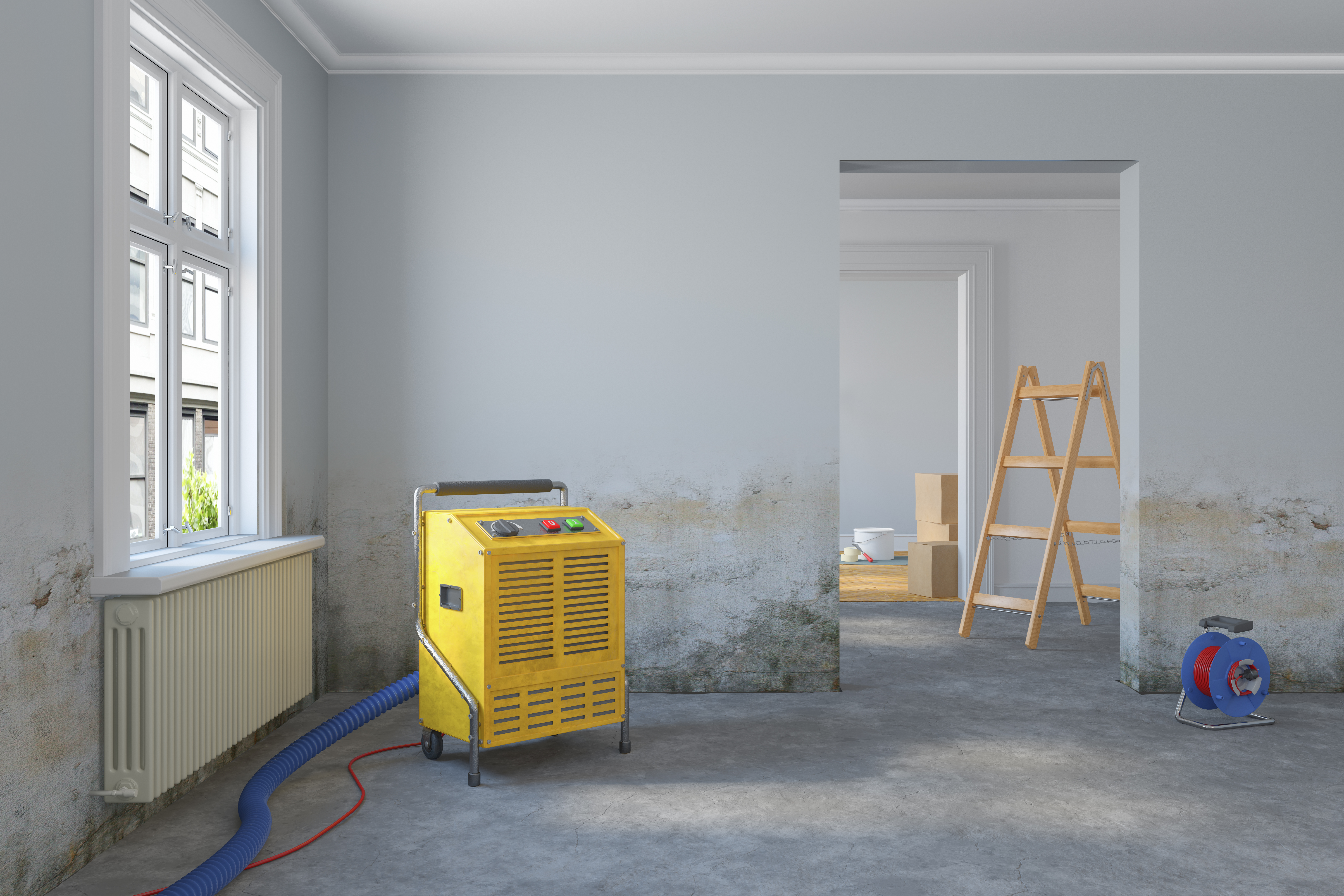
HEPA air scrubbers are essential tools during remediation. They capture 99.97% of particles, ensuring that mold spores and soot do not spread. Negative air containment works alongside by creating a vacuum effect, pulling contaminants into a controlled space. Together, they form a powerful defense against airborne threats, ensuring that your cleanup efforts are thorough and effective.
HVAC Cleaning to Prevent Cross-Contamination
Your HVAC system can be a hidden highway for contaminants, spreading them throughout your home. Cleaning these systems is crucial to prevent cross-contamination. Regular HVAC cleaning ensures that mold spores and soot remain confined to affected areas, stopping them from infiltrating your entire home. Most people think regular cleaning is enough, but specific techniques are needed post-damage to truly protect your environment.
Smoke Odor Removal and Final Verification
The smell of smoke is not just unpleasant; it indicates lingering contaminants. Specialized treatments target smoke odors, breaking them down at a molecular level. Final verification ensures that these odors, along with their associated health risks, are fully eliminated. This step is essential for restoring not just the physical space, but also the peace of mind that your home is safe and comfortable once more.
By following these guidelines, you can trust that your home will be safe for you and your family, free from hidden contaminants. Remember, the right steps today ensure a healthy tomorrow.
https://allinonecleaningrestoration.com/blog/