
Step-by-Step Water Damage Restoration Process Explained: A Florida Homeowner’s Guide
Water damage can spread quickly, putting your home and health at risk within hours. Knowing the exact steps of water damage restoration Florida experts follow can help you act fast and avoid costly mistakes. This guide breaks down the process—from emergency water extraction to structural drying—so you know what to expect and how All In One Cleaning & Restoration FL stands ready to protect your property 24/7.
Understanding Water Damage Types
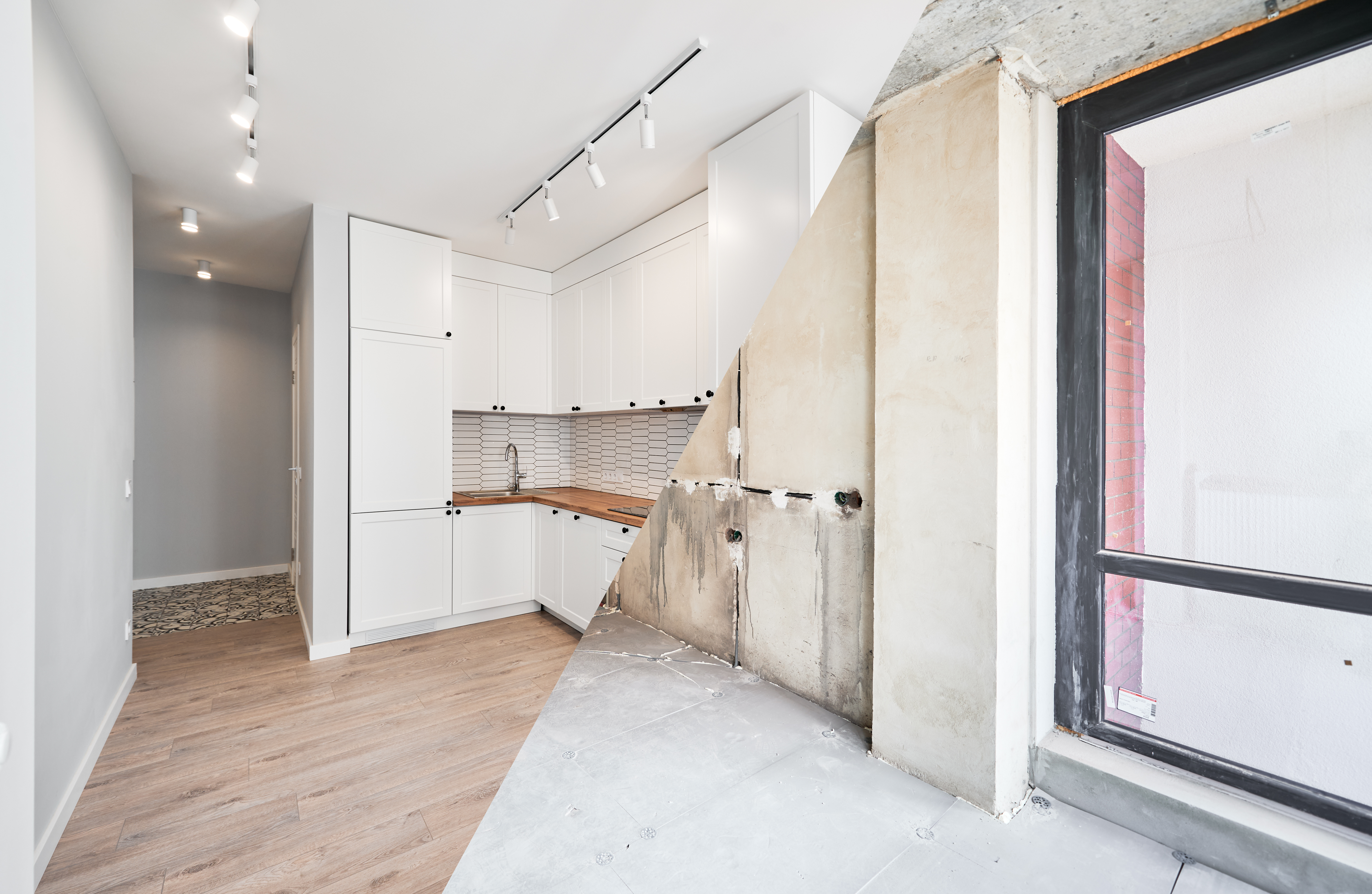
Grasping the types of water damage is crucial for effective restoration. Each kind poses unique risks and requires specific handling to prevent further harm.
Identifying Water Categories
Water damage falls into three categories. Category 1 water is clean and originates from sources like broken pipes or rain. It’s safe, but quick action is vital. Category 2 water, or gray water, comes from appliances like dishwashers. It carries some contaminants and requires more careful handling. Lastly, Category 3 water, known as black water, is highly contaminated. It often stems from sewage backups or flooding. This type poses serious health risks and demands professional intervention.
Understanding these categories helps you gauge the severity of the situation. If you’re dealing with categories 2 or 3, it’s time to call in experts. Most people think they can handle water damage alone, but professional aid ensures safety and thoroughness.
Class of Water Damage
The class of water damage refers to the extent of the water spread. Class 1 damage involves minimal water absorption with a quick drying time. Class 2 damage affects an entire room, including carpets and walls. Class 3 is when water has saturated ceilings, walls, and flooring. Class 4 involves specialized drying methods due to the water’s absorption into materials like plaster or hardwood.
Knowing the class helps in planning the restoration process. For example, Class 3 damage necessitates more extensive measures, like structural drying and dehumidification. This classification ensures that all areas are addressed, preventing future mold growth.
Restoration Process Explained
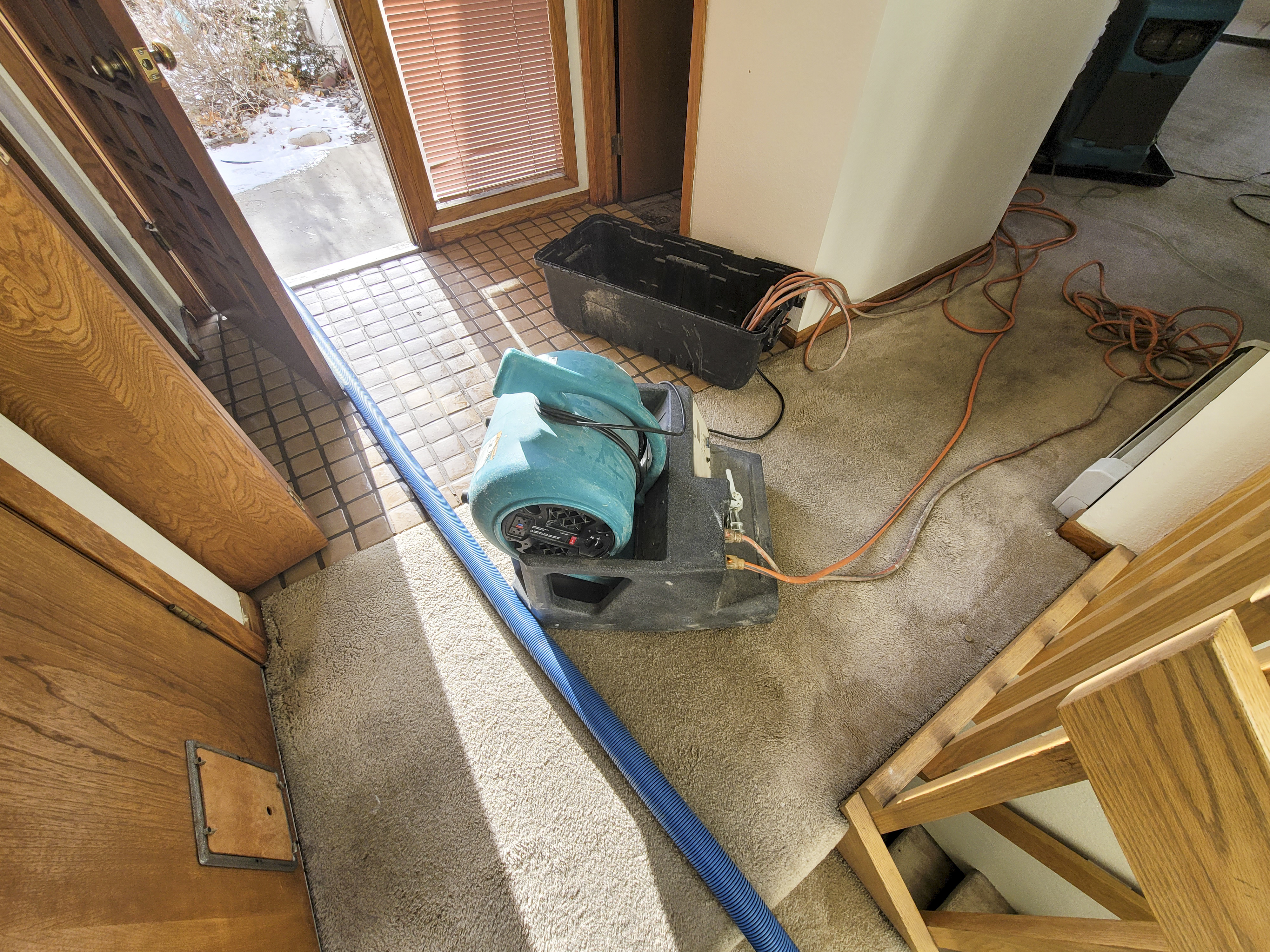
Once you understand the types and classes of water damage, the focus shifts to addressing the damage efficiently. Here’s what the restoration process entails.
Initial Assessment and Safety
The first step in any restoration is assessment. Professionals evaluate the damage to determine the best approach. Safety is paramount. They check for electrical hazards, gas leaks, and structural integrity. This initial step sets the tone for a safe and effective restoration.
A team will use advanced tools like thermal imaging inspection and moisture mapping. These tools pinpoint hidden moisture pockets, ensuring nothing is overlooked. This step is crucial because unseen moisture can lead to mold, a common issue in Florida’s humid climate.
Water Extraction and Mitigation
Water extraction happens next. Rapid extraction prevents further damage. They use industrial pumps and vacuums to remove standing water swiftly. The goal is to minimize water exposure time to reduce damage.
Following extraction, water mitigation services come into play. This phase involves removing wet materials and setting up dehumidifiers and air movers. The longer you wait, the higher the risk of structural deterioration and mold. Professionals ensure thorough drying, which is essential to prevent ongoing issues.
Final Steps and Prevention
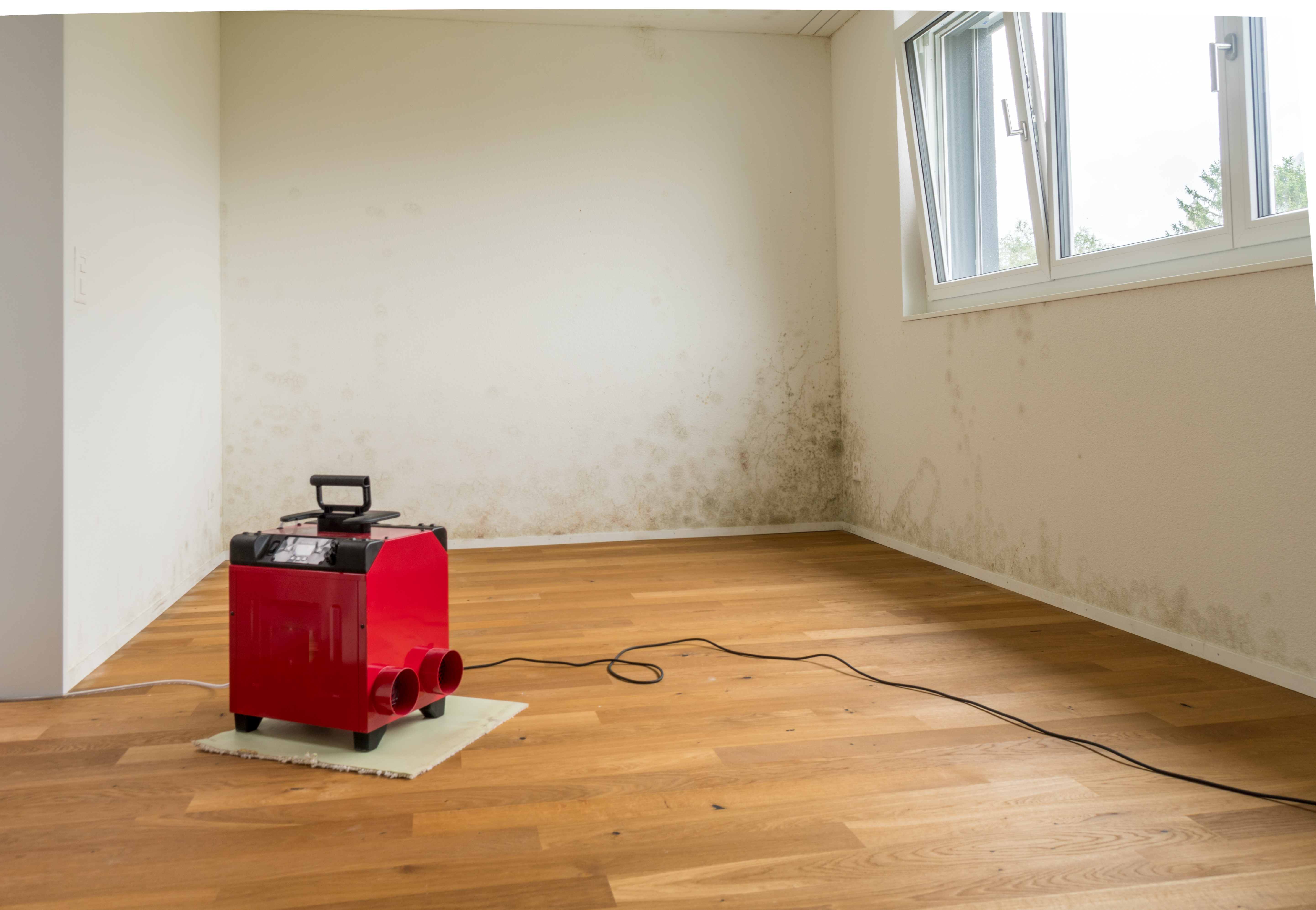
With water extraction and mitigation complete, the focus shifts to drying and repairing your property. These final steps are crucial for preventing future problems.
Structural Drying and Dehumidification
Structural drying involves restoring moisture levels to normal. Dehumidifiers filter out excess moisture, preventing mold. Air movers circulate air, speeding up drying. This process can take several days, depending on the damage’s class and category.
Most people think once water is gone, the job is done. But thorough drying and dehumidification are vital. This attention to detail ensures your home is safe and prevents costly repairs in the future.
Repairs and Insurance Coordination
The last step involves repairs and insurance coordination. Once drying is complete, any structural damage is repaired. This might include fixing drywall, replacing flooring, or repainting.
Insurance claims can be daunting. Coordinating with insurance companies, professionals document damage and work performed. They provide evidence for claims, ensuring you get the coverage you deserve.
In conclusion, understanding each step of the water damage restoration process equips you with the knowledge to act swiftly and effectively. Whether facing a burst pipe or a natural disaster, knowing what to expect can make a stressful situation more manageable. With All In One Cleaning & Restoration FL by your side, you have a trusted partner ready to restore your peace of mind.
https://allinonecleaningrestoration.com/blog/