
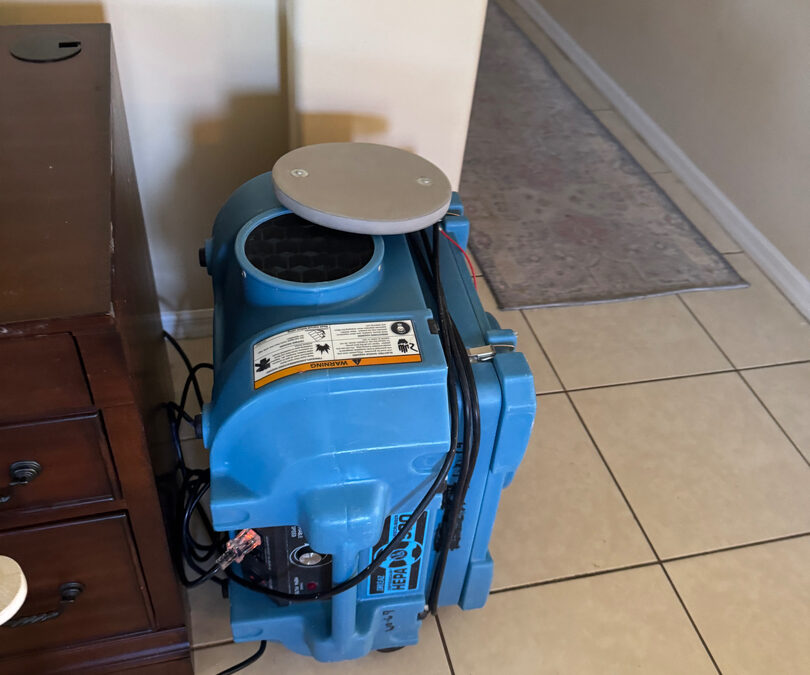
What to Do Immediately After Water Damage in Florida: Step-by-Step Actions to Prevent Mold and Structural Damage
Water damage in Florida demands immediate attention. Just 24 to 48 hours after flooding, mold can start growing, putting your home’s health at risk. Even a single inch of water can cause over $25,000 in damage if not addressed quickly. This guide walks you through clear steps to prevent mold and structural problems right after water damage strikes, helping you protect your property before issues escalate.
Immediate Actions Post-Water Damage
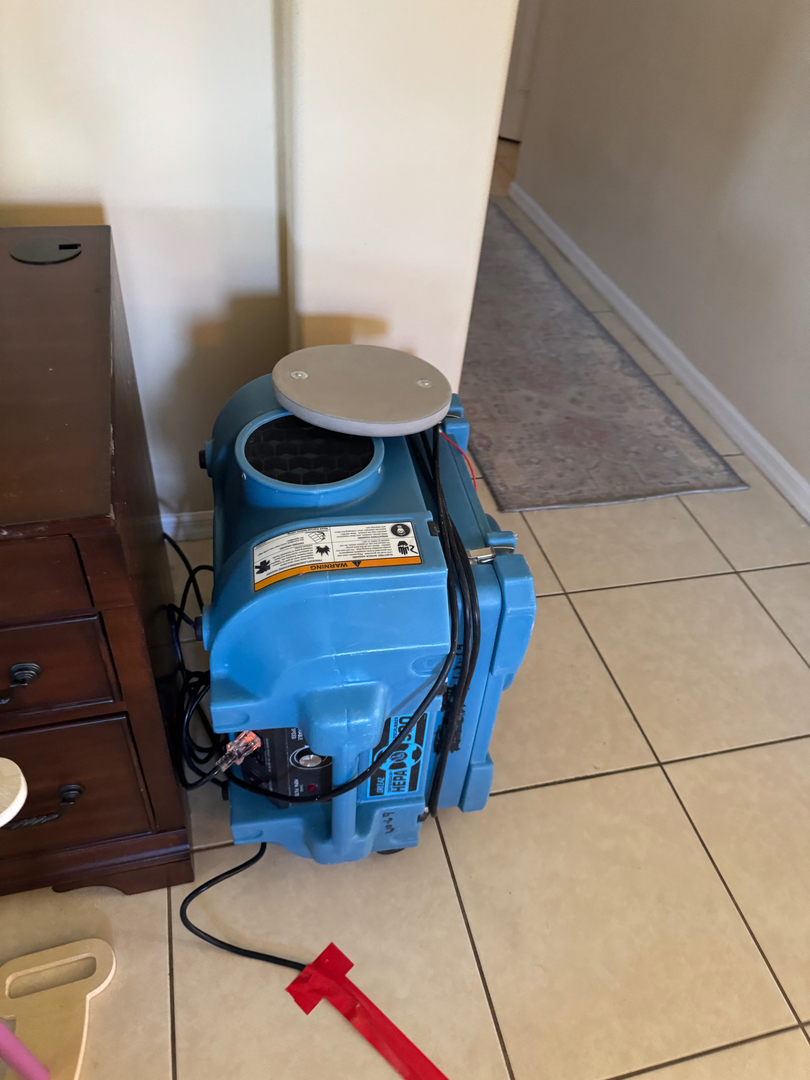
When disaster strikes, swift action is your strongest ally. The first hours are crucial to mitigate water damage and prevent long-term problems.
Assess Safety and Source of Water
Your priority is ensuring everyone’s safety. Check for electrical hazards and structural damage. Identify the water source: clean, gray, or black water. Clean water is less harmful, while gray and black water need caution. Knowing the type helps you decide if professional help is needed immediately. Never assume it’s safe without checking.
Begin Emergency Water Extraction
Act fast to prevent extensive damage. Use a wet/dry vacuum for minor flooding. For larger areas, call professionals for emergency water extraction. Removing water quickly limits mold growth and structural damage. Remember, even an inch of water can cause significant destruction. The sooner you act, the better.
Document Damage for Insurance
Documentation is vital for insurance claims. Take clear photos and videos of all affected areas. Note the extent and type of damage. This record supports your claim and speeds up the process. Don’t rely on memory—capture everything now to avoid issues later.
Preventing Mold in Florida’s Humidity
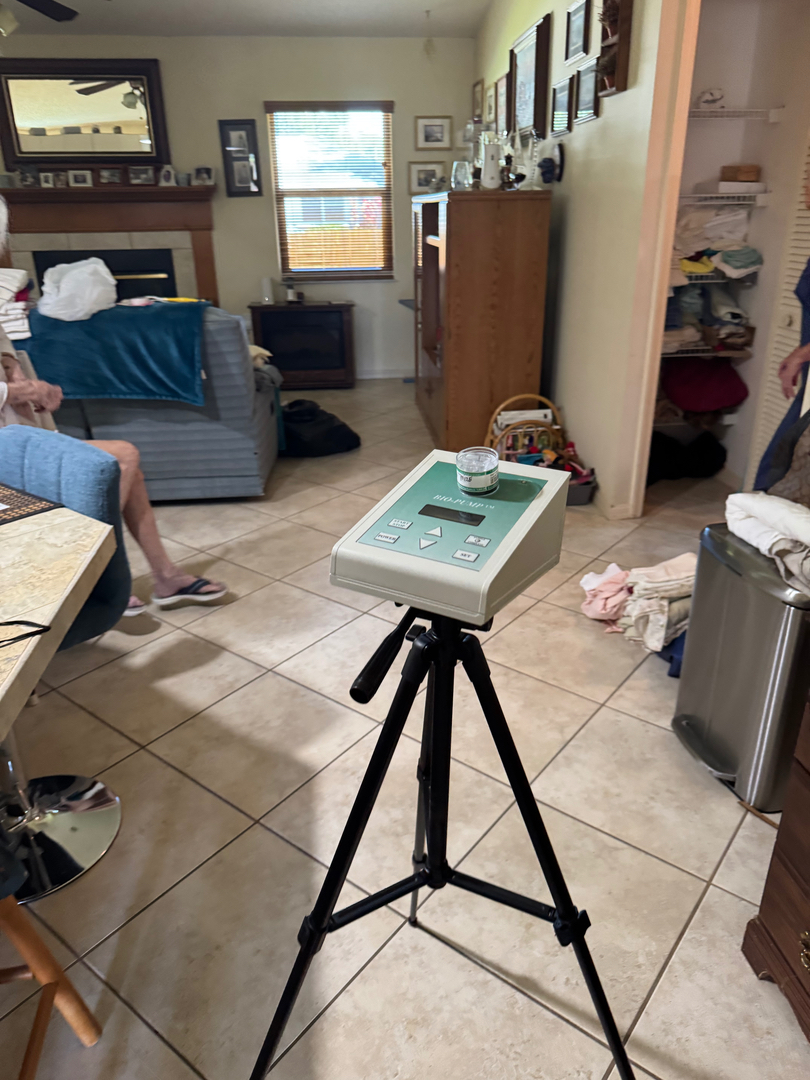
Mold thrives in damp conditions, especially in Florida’s climate. Taking these crucial steps can prevent its growth.
Start Structural Drying Process
Drying is essential to prevent mold. Use fans and dehumidifiers to dry the area. Open windows to allow air circulation. Consider professional structural drying for severe cases. The goal is to remove moisture before mold sets in. Quick action can save your home from extensive damage.
Use Moisture Mapping Techniques
Moisture mapping identifies hidden damp areas. Use thermal imaging inspection tools for accuracy. This method ensures no spot is overlooked. Hidden moisture can lead to mold, so thorough inspection is key. Protect your property by finding and drying every wet spot.
Apply EPA-Registered Antimicrobials
Applying antimicrobials stops mold growth. Choose EPA-registered products for safety and effectiveness. Coat affected areas thoroughly. This step kills existing mold spores and prevents new growth. It’s a crucial barrier in mold prevention.
Partnering with Restoration Experts
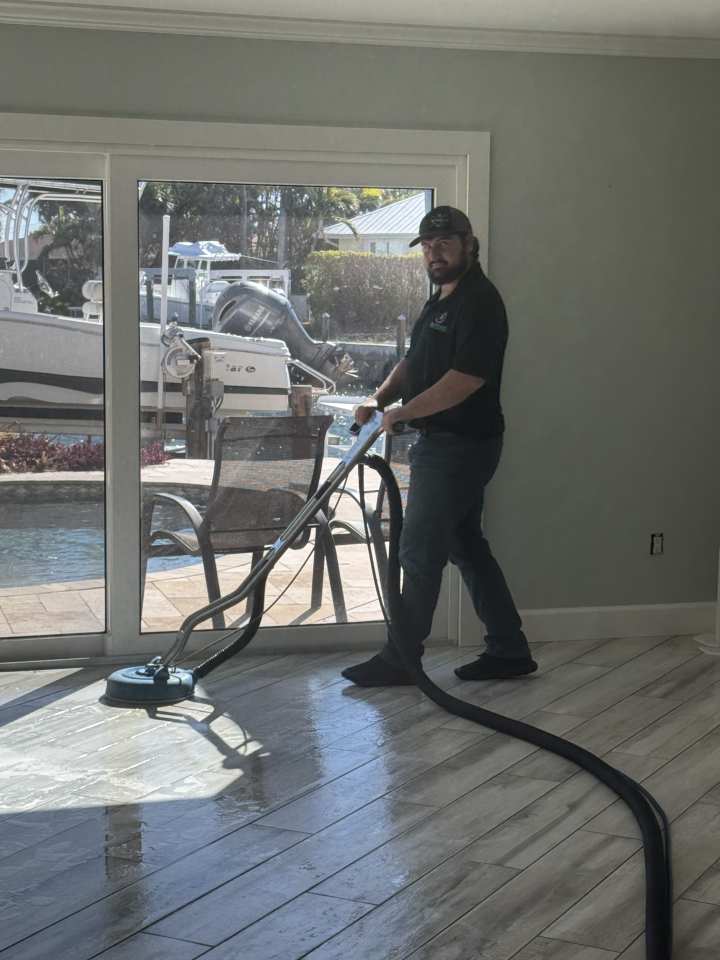
Expert restoration can make the difference between minor repairs and major renovations. Here’s why partnering with professionals is wise.
Importance of IICRC Certification
Choose IICRC certified experts for reliable service. This certification ensures they meet industry standards. Certified professionals are trained to handle all types of water damage scenarios. Trust them to restore your home safely and effectively.
Benefits of 24/7 Water Damage Restoration
Emergencies don’t wait, and neither should you. 24/7 water damage restoration services provide immediate response. Quick action minimizes damage and speeds up recovery. Don’t let delays worsen the situation. Count on around-the-clock support when you need it most.
How Direct Insurance Billing Works
Direct insurance billing simplifies the restoration process. Professionals handle claims with your insurer, easing your burden. This service ensures accurate documentation and faster claim processing. Focus on recovery while experts manage the paperwork.
In conclusion, acting swiftly and strategically after water damage can save thousands in repair costs and prevent mold. With expert help, you protect both your property and peace of mind. Remember, the right steps at the right time make all the difference.
https://allinonecleaningrestoration.com/blog/