
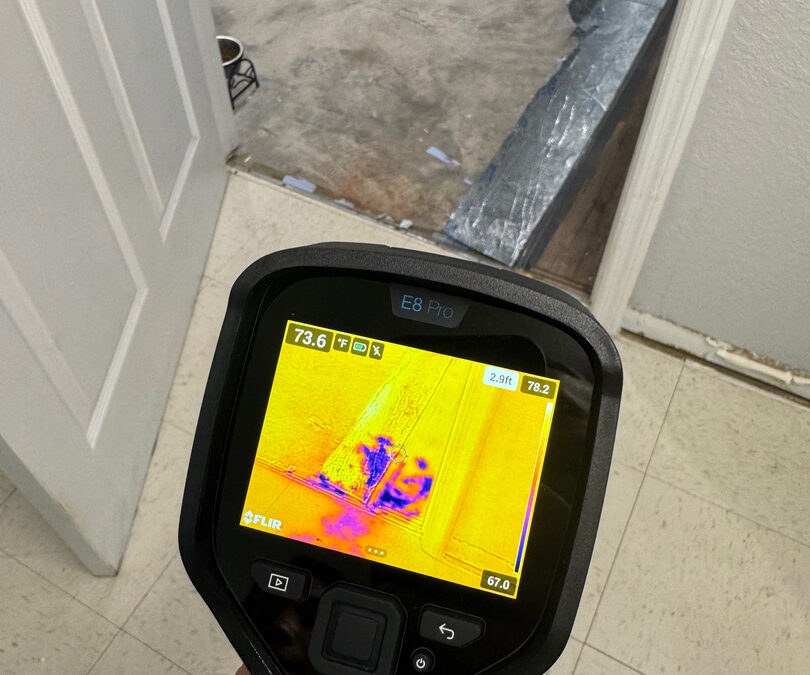
Mold can start growing in your Florida home within 48 hours after water damage strikes. Choosing the right mold remediation Florida service is critical to stop its spread and protect your family’s health. Many companies claim to handle mold removal near me, but few follow strict IICRC standards, use proper HEPA air scrubbers, and offer clear pricing. This 9-point checklist will guide you through selecting a licensed and insured contractor you can trust for thorough, safe mold cleanup.
Evaluating Certifications and Practices
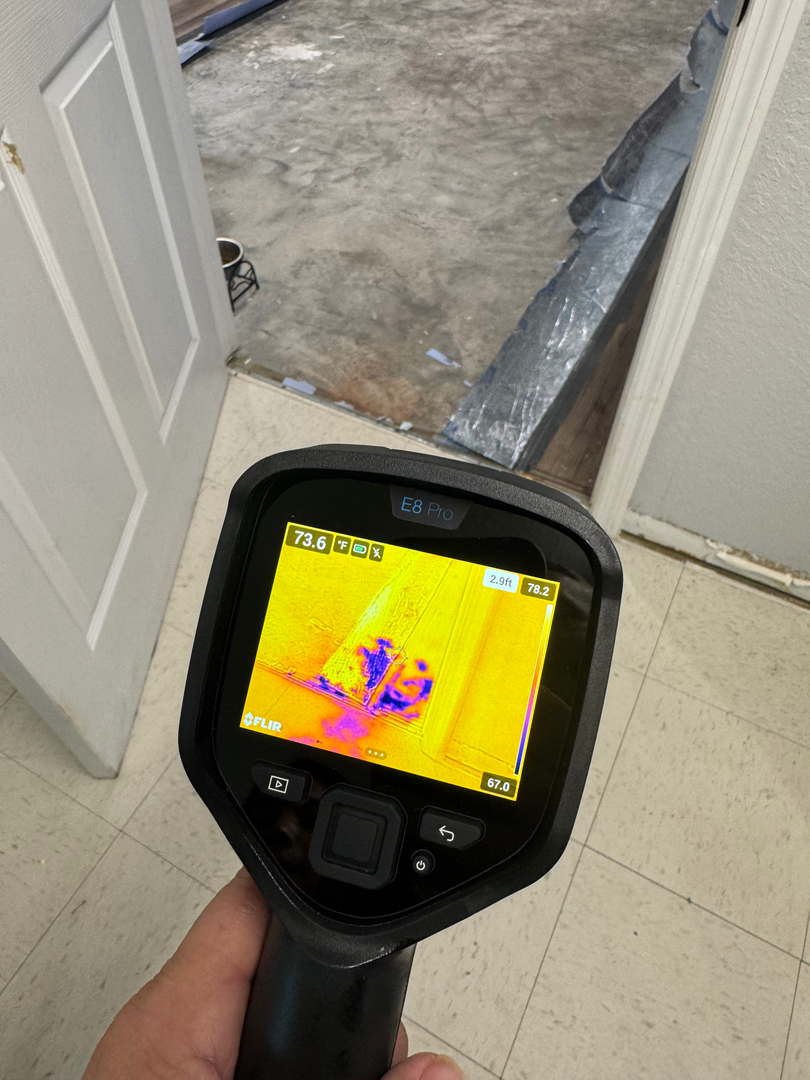
Understanding the credentials of a mold remediation service is critical to ensure quality work. Certifications and practices provide a foundation for trust and efficiency in addressing mold issues.
Importance of IICRC Certification
Why should you care about IICRC certification? It’s all about ensuring that your home receives the best care. The IICRC sets industry standards for mold remediation. An IICRC-certified mold specialist is trained to handle mold problems correctly. This means they know the latest techniques and follow strict guidelines. This is more than just a certificate on the wall. It’s a promise that the work will be thorough and safe. Most people assume all companies offer the same level of service, but certification separates the best from the rest. When you hire an IICRC-certified contractor, you’re choosing peace of mind.
Effective Containment Strategies
Containment is key in stopping mold from spreading. Imagine trying to contain a spill with a tiny napkin. It just doesn’t work. Similarly, without proper containment, mold spores can travel and infest other areas. Effective containment involves sealing off affected areas using barriers and negative air pressure. This approach keeps mold confined while work is being done. The longer you wait to address containment, the more likely mold will spread. Remember, stopping mold in its tracks requires strategic action.
Role of HEPA Air Scrubbers
HEPA air scrubbers are the unsung heroes of mold cleanup. Why? They capture tiny particles that ordinary filters miss. These scrubbers remove mold spores from the air, ensuring a cleaner, safer environment. Most people think standard air filters do the trick, but they can’t handle the microscopic size of mold spores. HEPA scrubbers are specially designed for this task. Investing in a service that uses them means you’re getting rid of mold at its source, not just covering it up.
Ensuring Transparency and Accountability
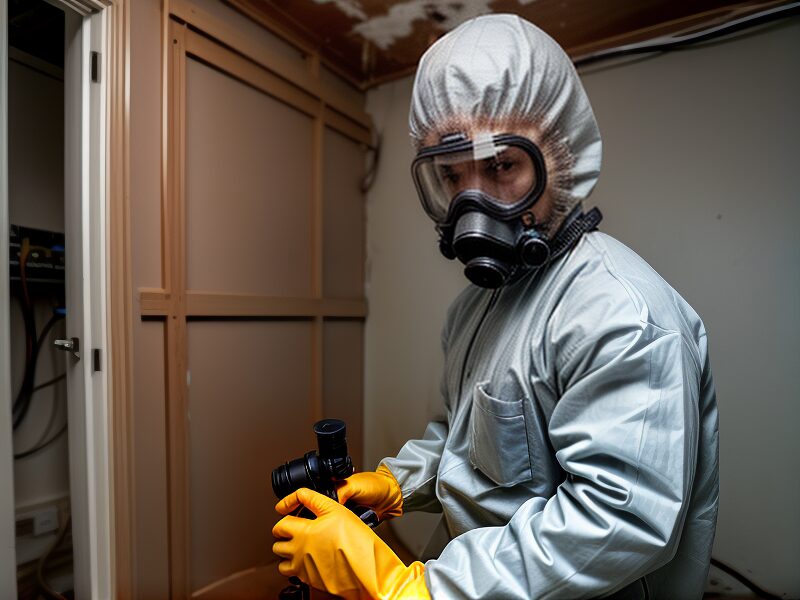
Once you’ve assessed a company’s technical capabilities, it’s essential to consider how transparent and accountable they are. This includes their licensing, pricing, and documentation practices.
Licensing and Insurance Requirements
Choosing a licensed and insured contractor is more than a box to tick. It’s about protecting your home and finances. A licensed contractor has met all state requirements to perform mold remediation. This ensures they have the knowledge and skills needed. Furthermore, insurance protects you if something goes wrong during the process. Imagine hiring someone who isn’t insured. You might end up paying for damages out of pocket. Always verify these credentials to safeguard your home and investment.
Understanding Transparent Pricing
Transparent pricing is crucial in avoiding unexpected costs. Have you ever been surprised by a bill? It’s not a pleasant experience. Transparent pricing means all costs are discussed upfront. There are no hidden fees lurking in the fine print. Ask for a detailed estimate before work begins. This allows you to plan your budget without any last-minute surprises. Transparency in pricing reflects a company’s honesty and integrity.
Importance of Documentation and Warranties
Proper documentation and warranties are your safety net. Documentation details the work done, providing a record that can be invaluable for future reference. Warranties ensure that you’re covered if issues arise later. Think of it like buying a new car. You expect certain guarantees and records. Mold remediation should be no different. Clear documentation and solid warranties offer peace of mind, knowing the work was done correctly and is guaranteed.
Addressing Moisture and Verification
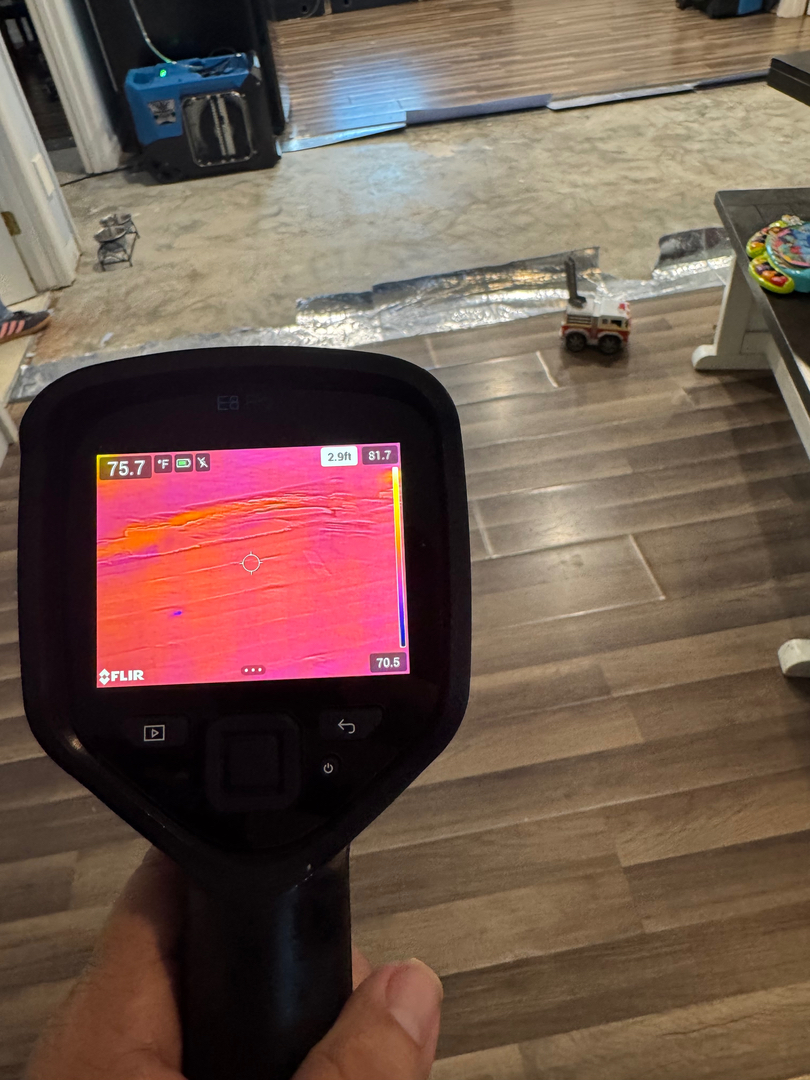
Even after mold removal, addressing moisture issues and validating the cleanup process are essential. This ensures mold won’t return and your home remains healthy.
Moisture Source Correction Techniques
Correcting moisture sources is a proactive step in mold prevention. Mold thrives in damp environments. Identifying and fixing these sources is crucial. Techniques include repairing leaks, improving drainage, and ensuring proper ventilation. It’s like closing the window in a rainstorm—the sooner, the better. Most people think mold is the only problem, but moisture is the real culprit. Tackling it head-on prevents future mold growth.
Post-Remediation Verification Explained
How do you know if the job’s done right? Post-remediation verification (PRV) provides that assurance. PRV involves testing the cleaned area to confirm mold levels are safe. It’s an objective way to evaluate the effectiveness of the cleanup. Think of it as the final exam after a long course. You want to ensure everything’s covered. Without PRV, you might miss hidden issues that could cause problems later.
Third-Party Testing Benefits
Third-party testing adds an extra layer of confidence to mold remediation. Why rely only on the contractor’s word? An independent test ensures unbiased results, confirming the cleanup’s success. It’s like having a trusted friend double-check your work. This level of scrutiny ensures no stone is left unturned. Most people skip this step, thinking it’s unnecessary, but it can save you from future headaches.
By following this checklist, you ensure your home is treated with the utmost care and expertise. Mold remediation isn’t just about removal. It’s about safeguarding your health and your home’s integrity.