
Florida humidity is more than just a discomfort—it’s a major factor that can stretch drying times and raise mold risks after water damage. When your property faces moisture issues, understanding how high relative humidity affects restoration choices is critical. In this post, you’ll learn how to manage Florida’s unique climate challenges with proven steps in water damage restoration Florida and mold prevention Florida, guided by experts you can trust.
Florida Humidity’s Impact on Restoration
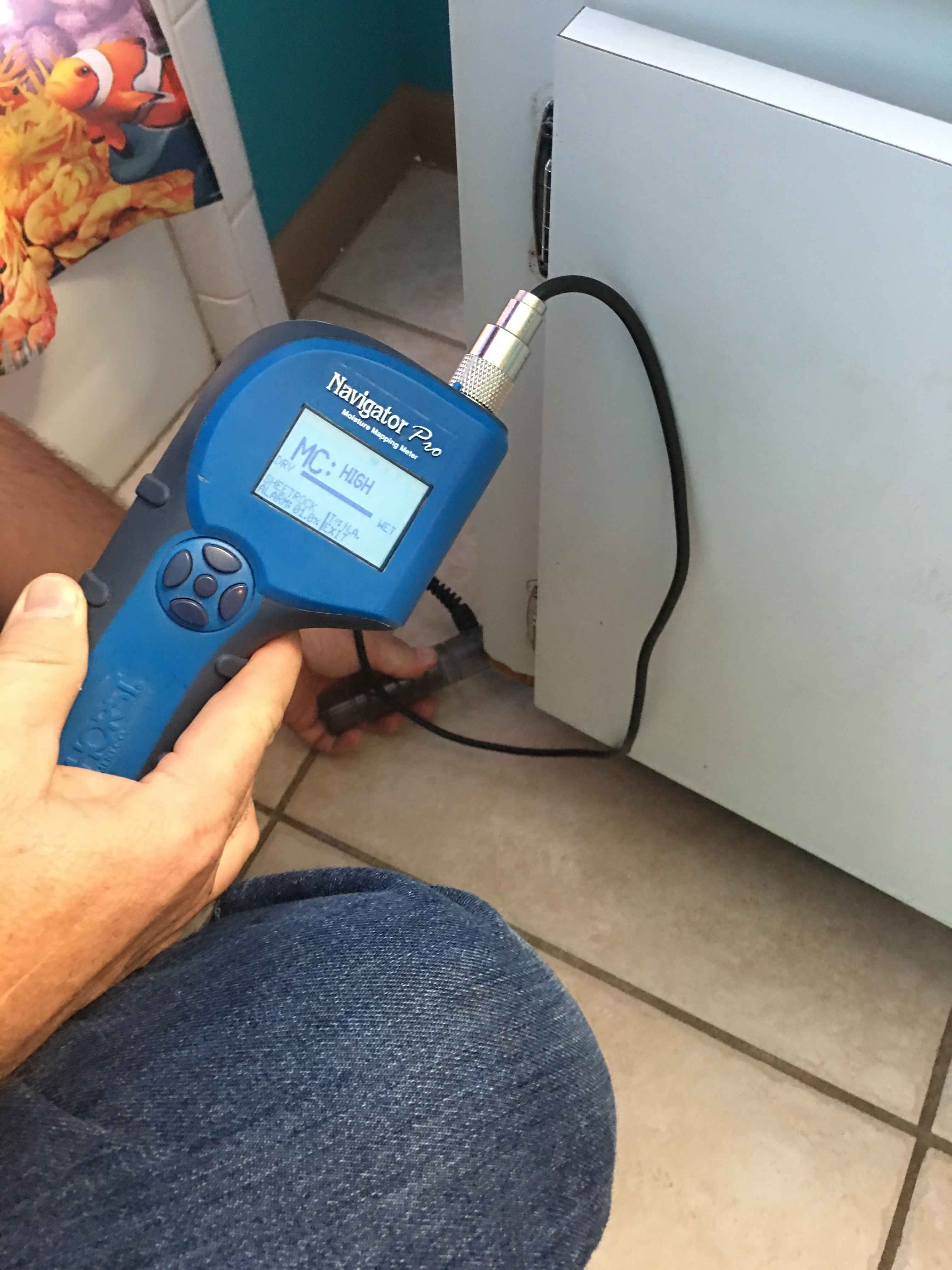
Understanding how to tackle Florida’s intense humidity is key to successful restoration. Let’s dive into the challenges and solutions that make a real difference.
Understanding Relative Humidity Challenges
Florida’s climate brings more than just sunshine; it introduces high relative humidity levels that complicate restoration efforts. This moisture in the air can slow down drying times significantly. Why is this a problem? Because the longer water sits, the more damage it can cause to your property.
You might be asking: how can you combat this? Quick intervention is essential. By understanding the unique climate, you can take targeted steps to minimize harm. Remember, the longer you wait, the more damage moisture can do to your property, leading to costly repairs.
Equipment Choices for Humid Climates
Choosing the right tools makes all the difference in humid environments. To handle the Florida humidity, specialized equipment is needed. LGR dehumidifiers are a top choice because they remove large amounts of moisture efficiently. They’re designed to work in high-humidity areas, making them perfect for Florida’s climate.
But that’s not all. Desiccant dehumidifiers also play a crucial role. These machines are ideal in situations where low temperatures or specific humidity levels are a concern. They absorb moisture effectively, ensuring your space dries quickly and thoroughly. With the right equipment, you can tackle moisture challenges head-on, preventing further damage.
Risks of Mold Growth in Florida
Mold is a silent intruder that thrives in humid climates. In Florida, the risk of mold growth is particularly high. Mold can start developing within 24 to 48 hours after water exposure. This quick growth means that any delay in addressing water damage increases the risk of mold-related health issues.
How can you keep mold at bay? Act fast and consider professional help for mold remediation Florida. Professionals use advanced techniques to not only remove mold but also prevent its return. Remember, a proactive approach is your best defense against mold, ensuring a healthy environment for your family.
Effective Water Damage Restoration Strategies
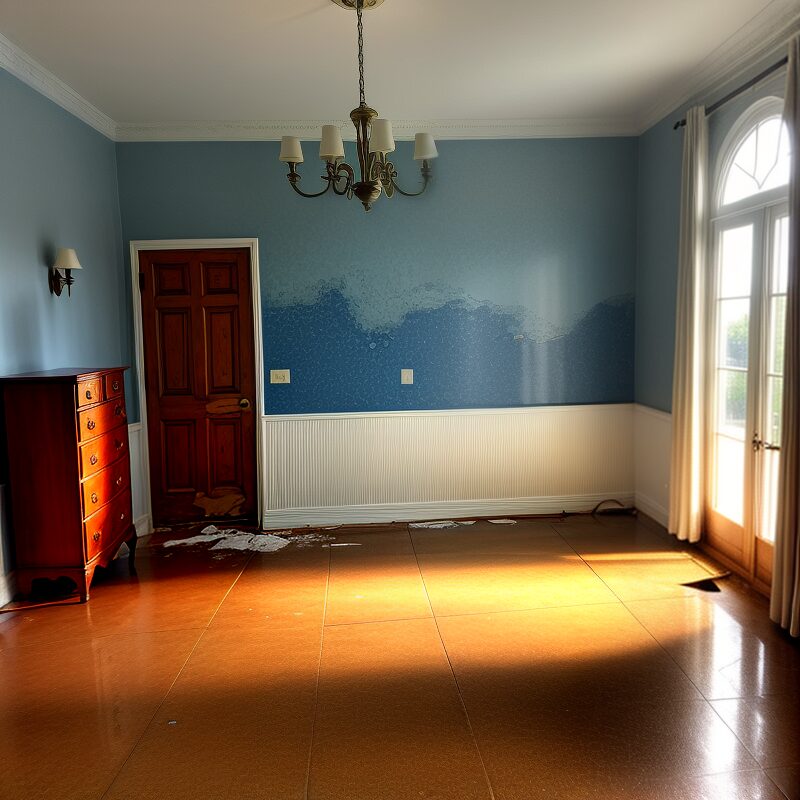
Now that you understand the climate challenges, let’s explore effective strategies for restoring your property. These steps will guide you through a successful recovery.
Step-by-Step Restoration Process
Restoring your home after water damage involves several important steps. First, immediate water extraction is crucial. This step prevents further damage and stops mold from starting to grow. Using advanced equipment, professionals can remove excess water quickly and efficiently.
Next, focus on drying. It’s essential to use both air movers and dehumidifiers to thoroughly dry affected areas. These tools work together to remove moisture from the air and surfaces, speeding up the drying process. Finally, continuous monitoring of humidity levels ensures that your space stays dry and safe.
Importance of Structural Drying
Structural drying is a critical component of the restoration process. This step ensures that hidden moisture within walls, floors, and other structures is eliminated. It goes beyond surface drying, targeting the core of your property’s structure to prevent long-term damage.
The key to effective structural drying is proper equipment and technique. Using moisture meters to detect hidden dampness is essential. This approach not only protects your property’s integrity but also safeguards your health by preventing mold growth. Structural drying is about ensuring long-term safety and comfort in your home.
Role of LGR and Desiccant Dehumidifiers
Dehumidifiers are essential in combatting Florida’s humidity. LGR dehumidifiers are perfect for high-moisture environments. They operate efficiently to remove large volumes of water vapor, making them ideal for tackling severe water damage.
In specific cases, desiccant dehumidifiers offer additional benefits. They work by using a chemical drying agent to absorb moisture from the air, which is particularly useful in cooler climates or when low humidity is required. Understanding the role of each type of dehumidifier helps you choose the best solution for your restoration needs.
Mold Prevention and Management
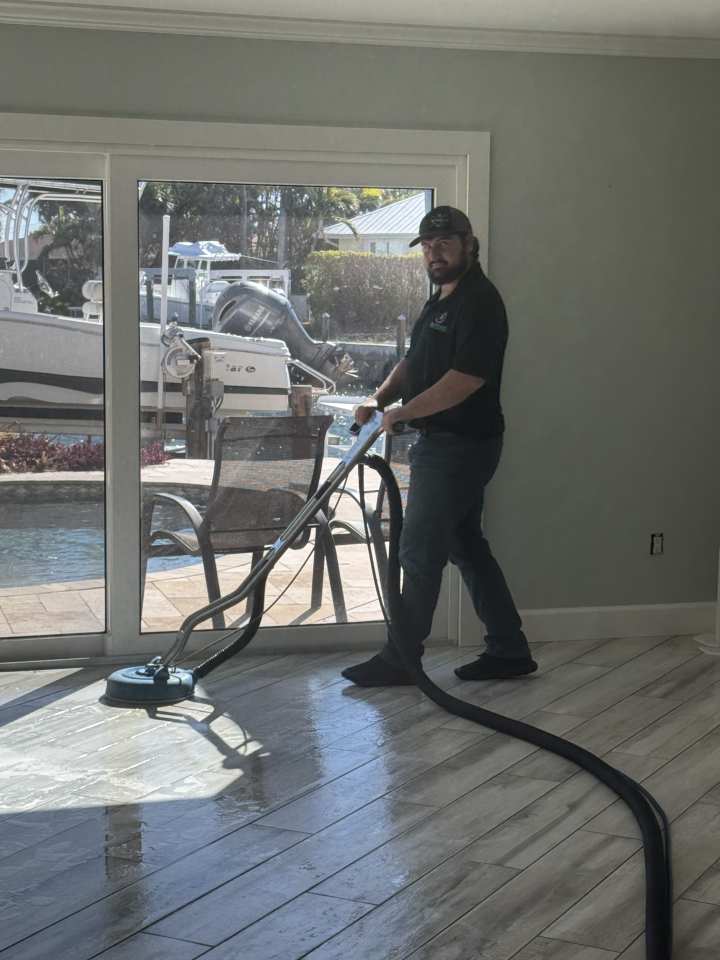
With water damage under control, it’s time to focus on preventing mold. Effective mold management is crucial to maintaining a healthy living space.
Moisture Mapping and Thermal Imaging
To prevent mold, you must first accurately locate moisture. Moisture mapping and thermal imaging are techniques that help identify hidden water. By pinpointing moisture hotspots, you can take targeted actions to address them.
Using thermal imaging cameras, professionals can detect variations in temperature that indicate moisture presence. This detailed view helps ensure no area is overlooked, providing peace of mind that your home is truly dry and safe from mold.
Implementing HEPA Filtration Techniques
Once moisture is under control, focus on air quality. HEPA filtration is a powerful tool that traps tiny particles, including mold spores, in the air. These filters are crucial for maintaining indoor air quality and preventing mold from spreading.
Installing HEPA filters in your HVAC system ensures that the air circulating in your home is clean and fresh. This step not only removes existing mold spores but also prevents new ones from settling, keeping your living environment healthy and safe.
Comprehensive Mold Remediation Steps
Mold remediation goes beyond just removal. It’s about ensuring your home stays mold-free in the long run. A comprehensive approach includes inspection, containment, removal, and prevention. Professionals start with a thorough inspection to assess the extent of mold growth.
Next, they contain the affected area to prevent mold from spreading. Specialized cleaning methods remove mold effectively, while preventative measures like improving ventilation and reducing humidity levels keep it from returning. This complete process ensures your home is safe and healthy.
By understanding and addressing Florida’s unique challenges, you can protect your property from the damaging effects of humidity and mold. Whether you’re dealing with water damage or seeking to prevent mold, these strategies provide a clear path to a safer, healthier home.