
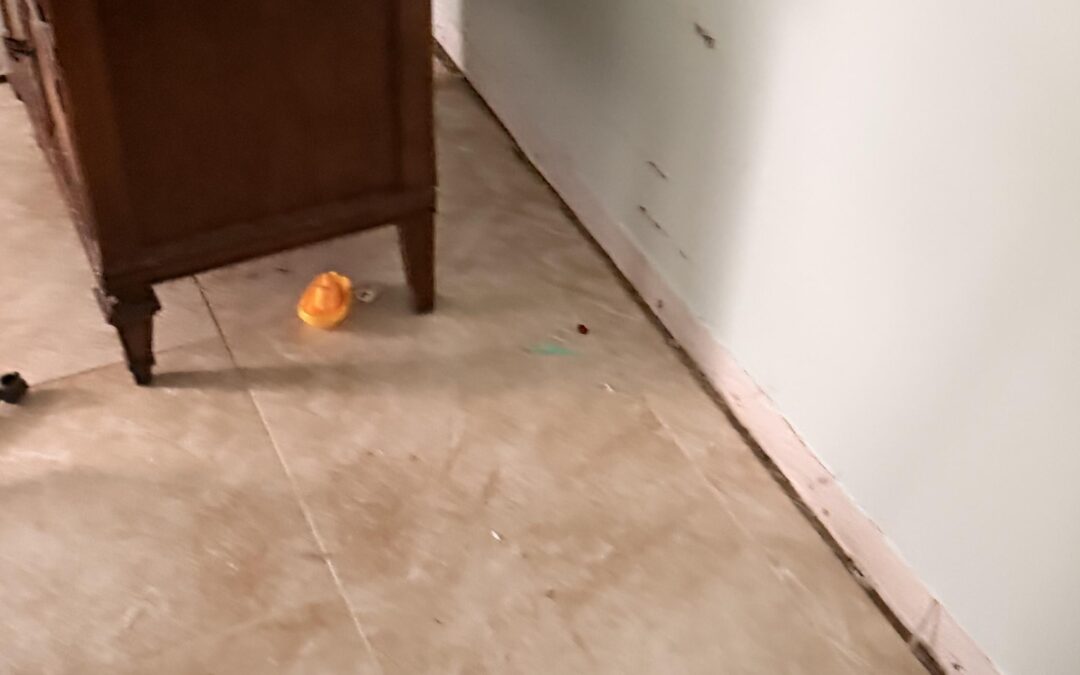
Water damage hiding behind walls or under floors often stays silent until it causes real problems. Many Florida homes show signs like bubbling paint or musty odors, yet the real threat might still be active and worsening. You’ll learn how to spot ongoing leaks with tools such as moisture meters and thermal imaging and why acting fast with expert help can protect your property and health.
Identifying Active Water Damage
Water damage can lurk unseen, leading to escalating issues. Recognizing the signs of active water damage early is crucial to prevent costly repairs and health hazards.
Signs of Hidden Moisture
Look out for bubbling or peeling paint, musty odors, and warped flooring. These are red flags. Swollen baseboards and mold growth also indicate moisture problems lurking behind surfaces. If you notice any of these, take action promptly to prevent further damage.
Tools for Leak Detection
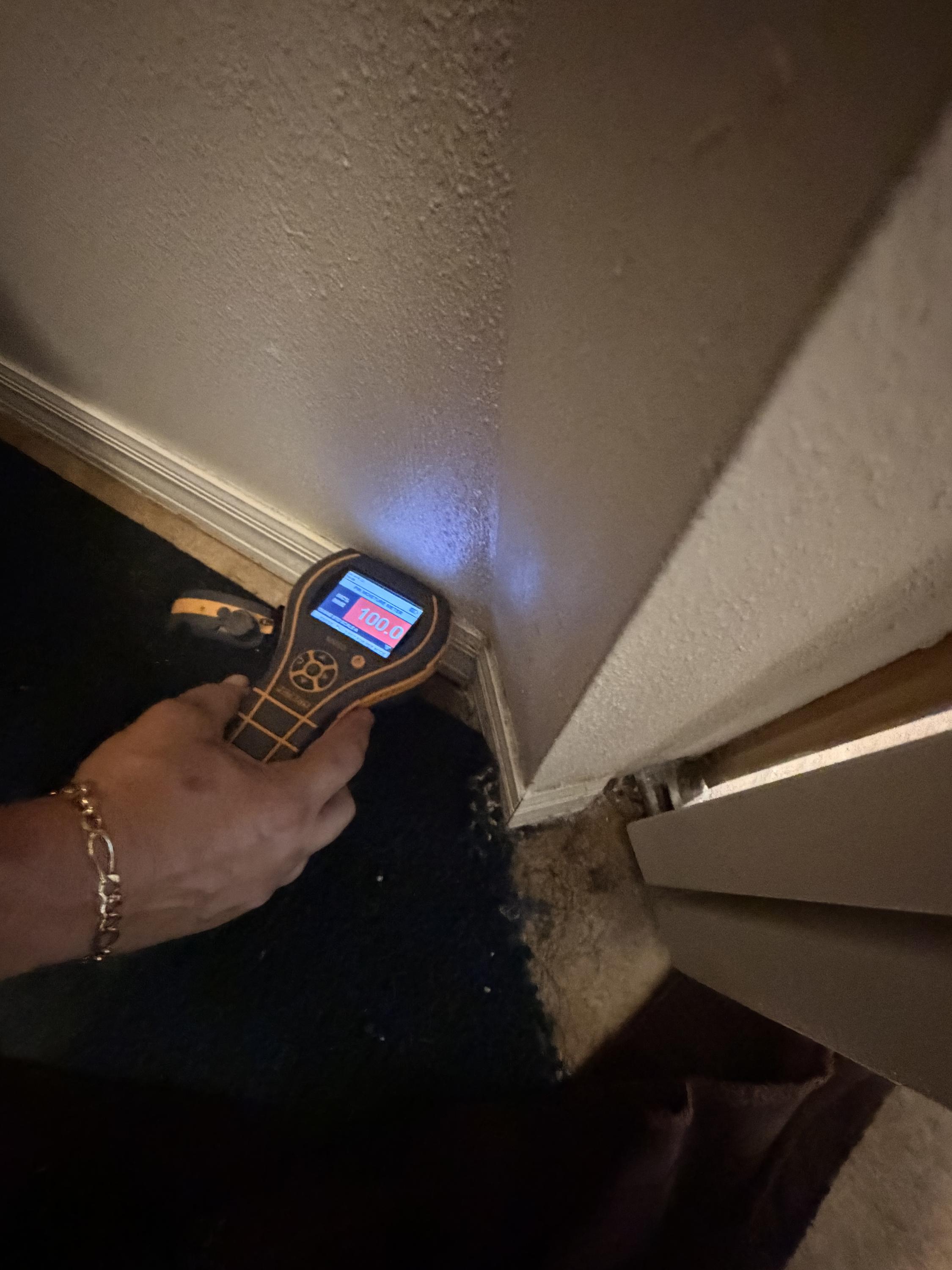
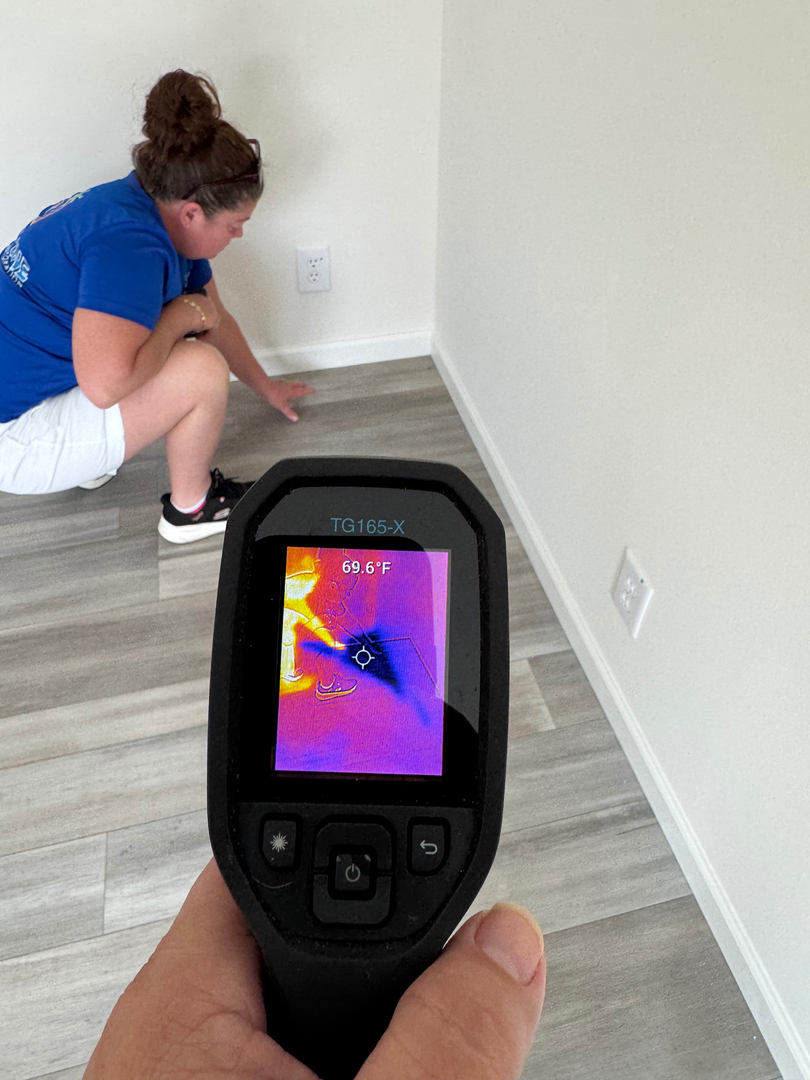
Moisture meters and hygrometers are essential tools. They measure moisture levels in walls and floors. Thermal imaging and infrared cameras visualize temperature variations, revealing hidden leaks. These tools empower you to spot problems before they spiral out of control.
Professional Assessment Techniques
Bringing in professionals for a thorough assessment can identify the extent of the damage. They use IICRC-certified methods to evaluate the problem accurately. Experts can also assist in creating a management plan, ensuring your home remains safe and sound.
Common Sources of Water Intrusion
Understanding where water might seep in helps prevent future damage. Knowledge is your first line of defense against unwanted water intrusion.
Plumbing and Roof Leaks
Plumbing issues and roof leaks are common culprits. A slow drip or a small roof puncture can lead to serious problems over time. Regular checks of plumbing systems and roof integrity can save you from unexpected repairs.
High Humidity Effects
Florida’s high humidity is a silent threat to homes. Excessive moisture can encourage mold growth, posing health risks. Using dehumidifiers and maintaining proper ventilation can mitigate these effects effectively.
Structural Drying Importance
Structural drying should not be overlooked. It helps eliminate lingering moisture that can cause significant damage. Ensuring all parts of your home are thoroughly dry prevents future mold growth and structural issues.
Steps for Effective Moisture Mapping
Moisture mapping is a strategic process to tackle water damage head-on. Here’s how you can effectively manage this task.
Using Thermal Imaging and Infrared Cameras
Start by using thermal imaging and infrared cameras. These tools are excellent for detecting variations in temperature, which often indicate hidden moisture. They provide a visual map of where water might be lurking.
Moisture Meters and Hygrometers
Moisture meters give precise readings of water levels in materials like wood and drywall. Hygrometers measure air humidity, helping to identify areas prone to mold. These devices are invaluable for precise diagnostics.
Creating a Mitigation Plan
Develop a comprehensive plan based on your findings. This should include steps for water extraction, drying, and repairs. A thorough mitigation plan ensures that your home is protected against future damage.
By understanding the signs and using the right tools, you can safeguard your home against the hidden threat of water damage. Act swiftly to preserve your property’s integrity and ensure a healthy living environment.