
Water damage in Florida homes demands swift action. Mold can start growing within 24 to 48 hours, turning a small leak into a serious health risk. You need clear steps to prevent mold after water damage and keep your indoor humidity between 30 and 50 percent. This guide walks you through what to do immediately and what to watch for, so you can protect your home and your family’s health without delay.
Understanding Mold Growth After Water Damage
Mold is a common issue after water damage. Acting quickly can make all the difference in keeping your home safe. Let’s explore why every minute counts and how you can effectively prevent mold.
Why Time Matters in Mold Prevention
Mold can begin to grow in as little as 24 hours after water exposure. This rapid growth means that delays can lead to bigger problems. Quick action not only protects your property but also your health. Florida’s humid environment accelerates mold growth, making timely responses even more crucial.
The Importance of Humidity Control in Florida
Humidity plays a significant role in mold prevention. In Florida, keeping indoor humidity between 30% and 50% is vital. This range helps prevent mold growth and keeps your home comfortable. Using dehumidifiers is an effective way to control moisture levels, especially after water damage.
Recognizing Common Mold Risks in Homes
Mold can lurk in unexpected places. After water damage, check areas like basements, attics, and behind walls. These spots often escape notice but are prime locations for mold growth. Regular inspections can help you catch mold before it becomes a serious issue.
Immediate Actions to Prevent Mold
When water damage occurs, acting immediately is key. Here are the steps you need to take to stop mold in its tracks.
Essential Steps for Water Extraction
First, remove any standing water. Use pumps or wet vacuums to extract water quickly. This step is crucial to minimize damage and mold risk. Once water is cleared, drying surfaces becomes easier and more effective.
Key Techniques for Structural Drying
After water extraction, focus on drying your home’s structure. Open doors and windows to promote air circulation. Fans can help speed up the process. Pay attention to walls, floors, and furniture, ensuring they dry thoroughly to prevent mold.
Effective Use of Dehumidifiers and Air Movers
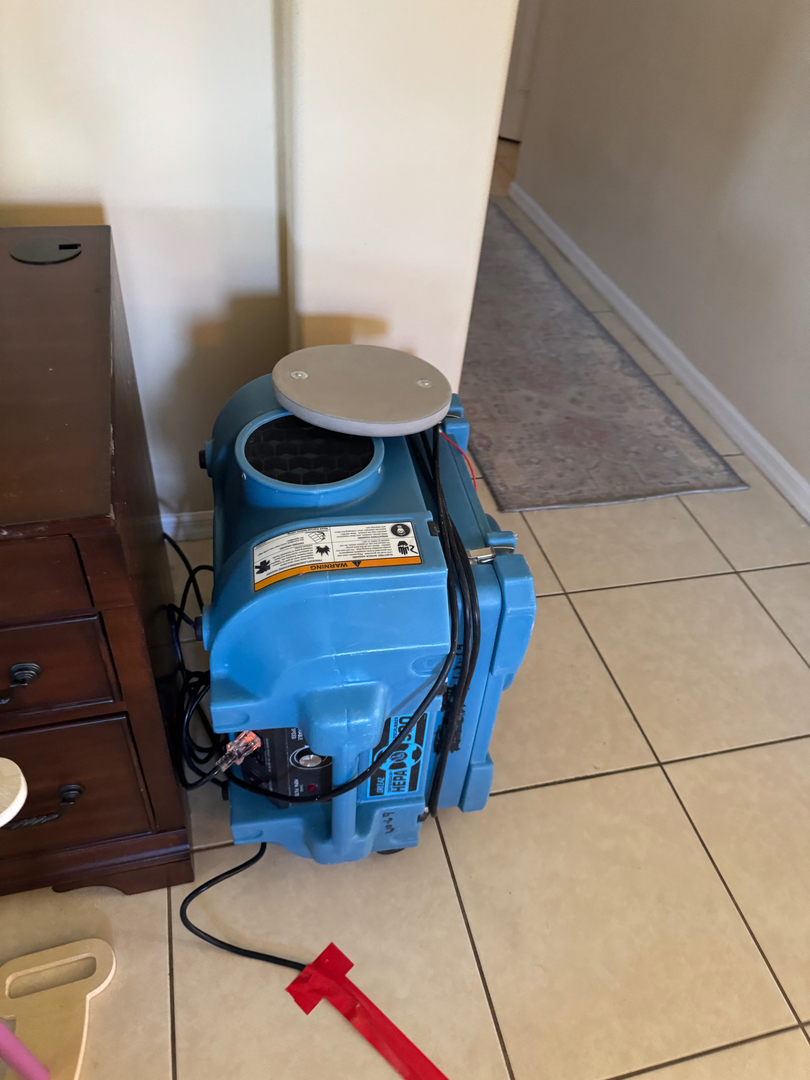
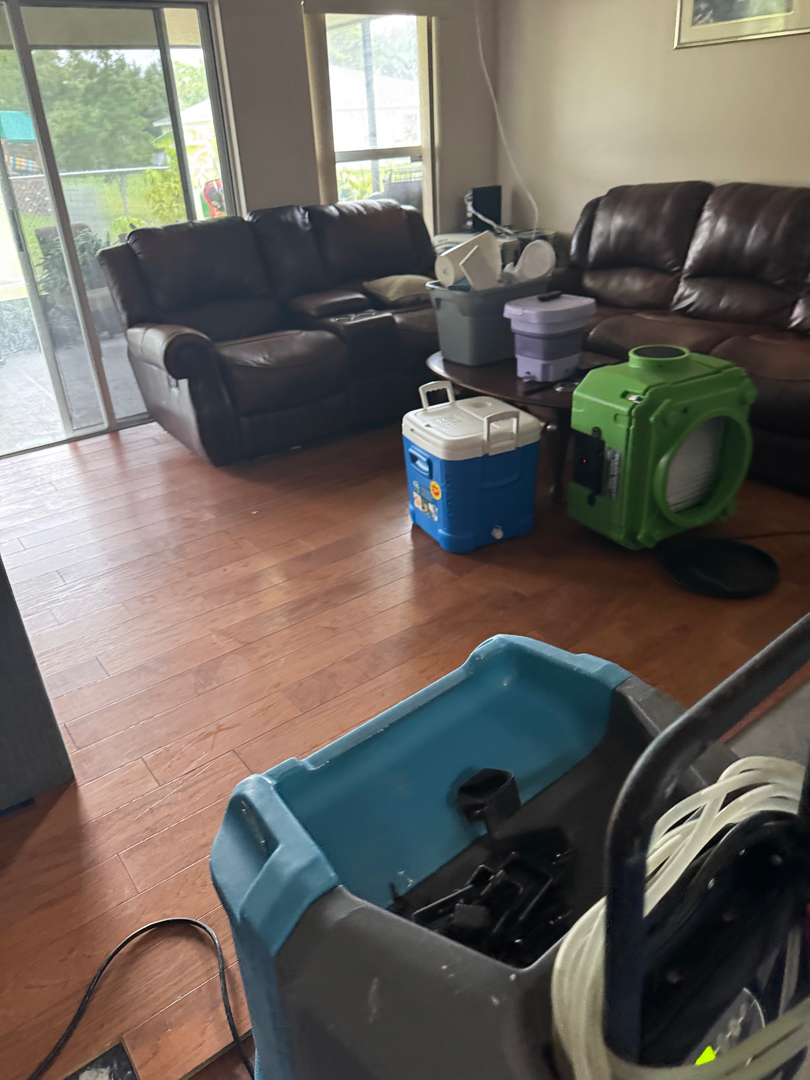
Dehumidifiers help keep the air dry. Place them in affected areas to manage moisture. Air movers are also useful, as they increase airflow and speed up drying. Together, they form an essential part of your mold prevention strategy.
Ongoing Strategies for Mold Prevention
Stopping mold once isn’t enough. Consistent efforts are needed to keep your home safe from future mold growth.
Regular Mold Inspections and Testing
Routine inspections can catch mold early. Consider professional mold testing to ensure your home is mold-free. This proactive approach saves you time and money in the long run by addressing issues before they escalate.
Maintaining Optimal Indoor Humidity
Monitor humidity levels regularly. Use a hygrometer to track indoor moisture. If levels rise, use dehumidifiers to maintain the ideal range. This simple habit can significantly reduce mold risks in your home.
Contacting Professional Mold Remediation Services
Sometimes, professional help is necessary. Mold remediation services offer expertise and equipment to handle severe cases. They ensure thorough removal and provide peace of mind that your home is safe and mold-free.
By understanding mold risks and taking immediate action, you can protect your home from the dangers of mold growth. Stay vigilant, maintain control over humidity, and don’t hesitate to seek professional help when needed.