
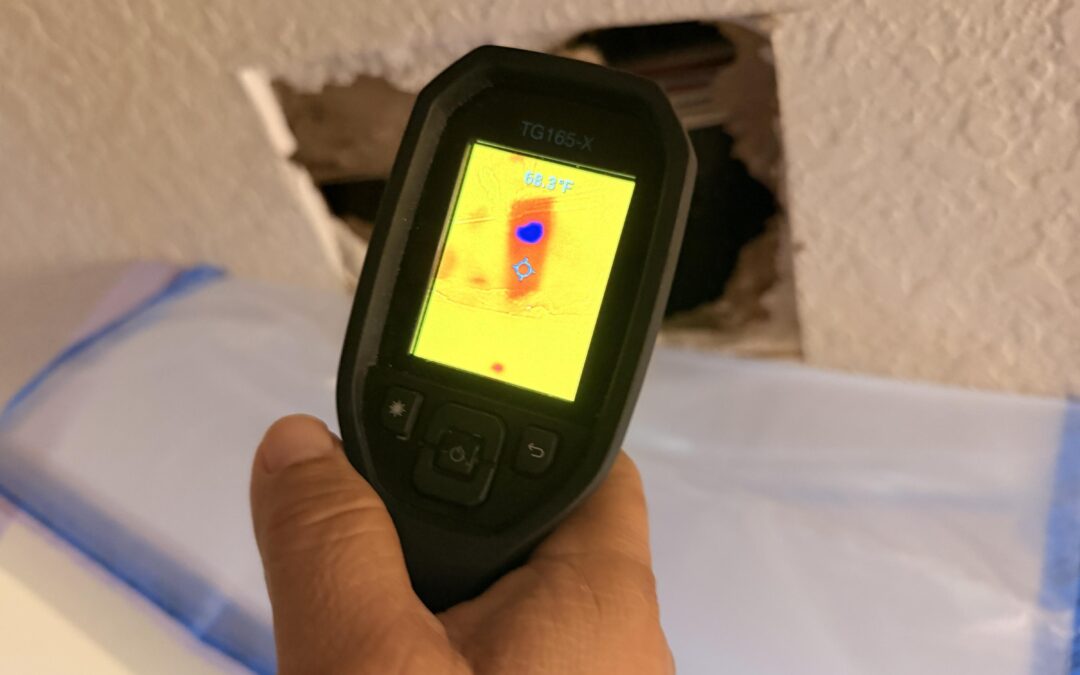
Most homeowners underestimate the hidden risks mold poses before repairs start. In Florida’s humid climate, ignoring pre-repair mold testing can lead to costly surprises and health hazards. This guide explains why mold testing Florida residents trust is essential, how it works, and how proper documentation protects your home and insurance claim. Keep reading to make informed decisions that safeguard your family and investment.
Importance of Mold Testing Before Repairs
Mold testing is a crucial step in the repair process, especially in Florida. The unique climate presents challenges that can lead to hidden mold issues if not properly addressed.
Understanding Water Damage and Mold Growth
Water damage creates the perfect environment for mold to thrive. When moisture seeps into your home, mold can start growing within 24 to 48 hours. This rapid growth means that swift action is vital. If you’ve experienced a leak or flooding, understanding this timeline helps you prevent further damage.
Mold growth often begins in hidden areas, like behind walls or under floors. It’s not just about visible signs; mold spores can spread quickly, affecting indoor air quality. By tackling water issues promptly, you minimize the risk of mold taking hold in your home.
Florida’s Unique Mold Challenges
Florida’s climate is a breeding ground for mold. High humidity and warm temperatures make mold prevention more challenging here than in other states. These conditions mean mold can grow faster and more aggressively if not properly managed.
Homeowners in Florida face specific challenges, such as fluctuating humidity levels and frequent storms. These factors contribute to the frequent appearance of mold, even in well-maintained homes. Knowing these unique challenges helps you stay vigilant in protecting your living space.
Health Risks of Ignoring Mold
Ignoring mold can have severe health implications. Mold exposure can lead to respiratory issues, allergies, and even asthma attacks. These health risks are particularly concerning for children, the elderly, and those with pre-existing conditions.
Mold spores can be invisible but harmful. They can affect indoor air quality, leading to long-term health issues if not addressed promptly. Protecting your family means taking mold risks seriously and ensuring thorough testing before any repairs begin.
The Mold Testing Process Explained
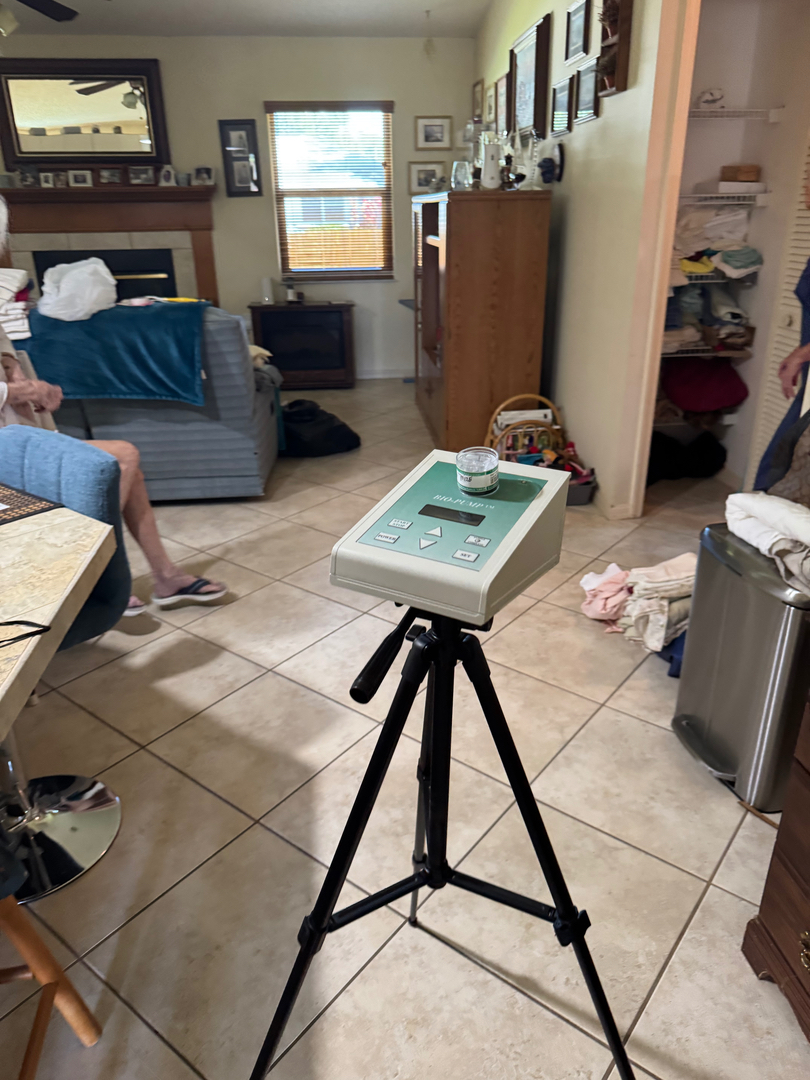
Mold testing is essential to understanding the extent of mold growth and deciding the best remediation steps. This section explains the various types of mold testing and what the results mean for homeowners.
Types of Mold Testing in Florida
Florida offers several mold testing methods to identify issues accurately. Air sampling is a common technique, as it measures mold spores in the air, providing a snapshot of indoor air quality. This type of test can reveal hidden mold that isn’t visible to the naked eye.
Surface swab tests are another method used to detect mold. These tests involve taking samples from suspect areas, such as walls or floors, to determine the presence and type of mold. Both methods provide critical information for effective remediation planning.
Air Sampling and Surface Swab Tests
Air sampling is a vital tool in mold detection. It helps identify the concentration of mold spores in your home, which can indicate hidden mold growth. By analyzing air samples, professionals can pinpoint areas that need attention, even if mold isn’t visible.
Surface swab tests complement air sampling by providing data on specific locations. They involve swabbing surfaces, which helps identify the type of mold present. This information is crucial for tailoring remediation efforts to your home’s needs, ensuring thorough removal.
Interpreting Mold Test Results
Interpreting mold test results can feel overwhelming. Experts analyze the data to determine mold types and concentrations. High levels of spores indicate a problem that needs immediate attention to prevent health issues and property damage.
Understanding these results helps you make informed decisions about remediation. Professionals can guide you through the process, explaining what the numbers mean and how they’ll address the mold effectively. This clarity ensures you feel confident in tackling the issue.
Benefits of Proper Documentation and Compliance
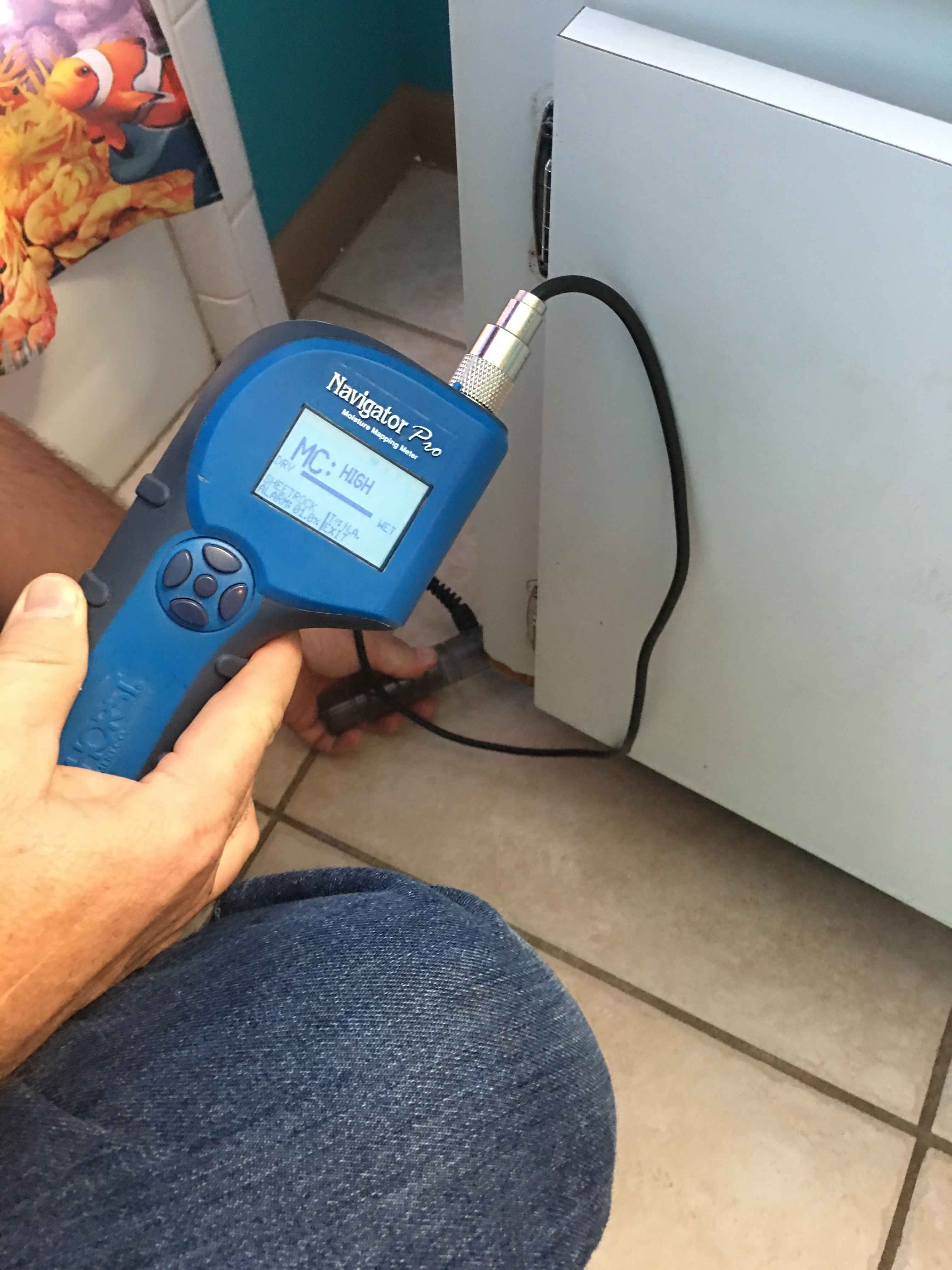
Accurate documentation and compliance with industry standards protect your home and streamline processes. This section explores how documentation aids in claims and ensures safety.
Streamlining Insurance Claims
Proper documentation is essential when filing insurance claims. It provides evidence of mold issues and the steps taken to address them. This can expedite the claims process, ensuring you receive the compensation needed for repairs.
Insurance companies require thorough documentation to validate claims. By having detailed records, you demonstrate the necessity of repairs and reduce the risk of claim denial. This proactive approach protects your investment and ensures a smooth claims experience.
Ensuring Accurate Repair Scope
Documenting mold issues helps define the scope of necessary repairs. Accurate records ensure that all affected areas are addressed, preventing future problems. This documentation guides contractors in providing comprehensive remediation services.
When professionals understand the full extent of mold damage, they can tailor their approach, ensuring complete removal. This accuracy is key to preventing mold from returning, safeguarding your home and health.
Protecting Health and Ensuring Safety
Documentation isn’t just about paperwork; it’s about ensuring the safety of your home. Proper records help track mold removal progress and confirm that your living environment is safe. This peace of mind is invaluable for you and your family.
Ensuring that mold is thoroughly removed protects your health, particularly for those with respiratory issues. By prioritizing documentation, you take a vital step in safeguarding your well-being and maintaining a healthy home.
Frequently Asked Questions
What is the best way to test for mold in Florida?
The best way to test for mold in Florida is through professional air sampling and surface swab tests. These methods provide a comprehensive view of mold presence and concentration, helping you understand the extent of the issue.
How quickly does mold grow after water damage?
Mold can begin growing within 24 to 48 hours after water damage. This rapid onset highlights the importance of immediate action to prevent mold from spreading and causing further damage.
Why is mold testing important before repairs?
Mold testing is crucial before repairs to identify hidden mold issues that could compromise the repair process. It ensures that all mold is addressed, preventing future problems and protecting your health.
Can I do mold testing myself, or do I need a professional?
While DIY mold tests are available, professional testing is recommended for accurate results. Experts use specialized equipment and methods to detect mold thoroughly, ensuring effective remediation.
How does mold affect indoor air quality?
Mold releases spores that can contaminate indoor air, leading to health issues like allergies and respiratory problems. Testing and removing mold is vital to maintaining safe air quality in your home.
https://allinonecleaningrestoration.com/blog/