
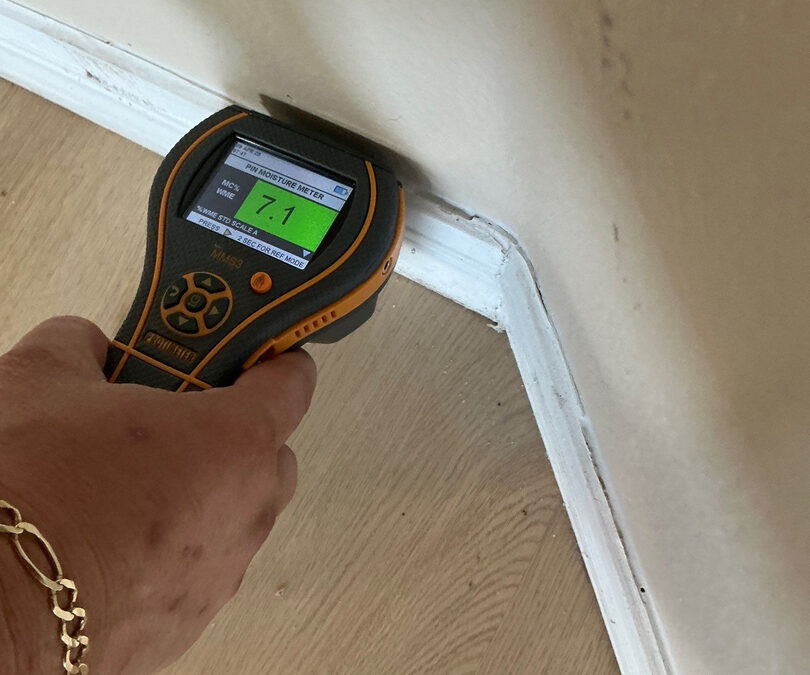
Florida’s high humidity traps moisture inside your walls long after the visible water disappears. This hidden moisture creates ideal conditions for mold growth and structural damage that can escalate quickly if left unchecked. In this post, you’ll learn how Florida humidity fuels these unseen risks and the clear steps to stop them before they threaten your home’s safety and air quality.
Understanding Florida’s Humidity Impact
Florida’s unique climate poses challenges for property owners, especially when it comes to moisture. High humidity levels make homes prone to trapping moisture, leading to significant issues if not managed promptly.
Why High Humidity Traps Moisture
High humidity in Florida makes water damage more severe. When moisture enters your home, it doesn’t just vanish; it seeps into walls, floors, and furniture. This trapped moisture can linger, providing a breeding ground for mold. The longer it stays, the harder it is to eliminate, making quick action vital.
Hidden Moisture Risks in Buildings
Moisture isn’t always visible. It hides behind walls, under floors, and in ceilings. Over time, this hidden moisture weakens building materials, leading to structural issues. Without intervention, what starts as a small issue can evolve into extensive damage, jeopardizing the integrity of your home.
Effects on Mold and Structural Damage
Mold thrives in moist environments. In just 24 to 48 hours, mold can start growing, leading to health risks like allergies and respiratory problems. Additionally, prolonged exposure to moisture can erode wood, drywall, and other materials, compromising your home’s safety.
Effective Water Damage Restoration Steps
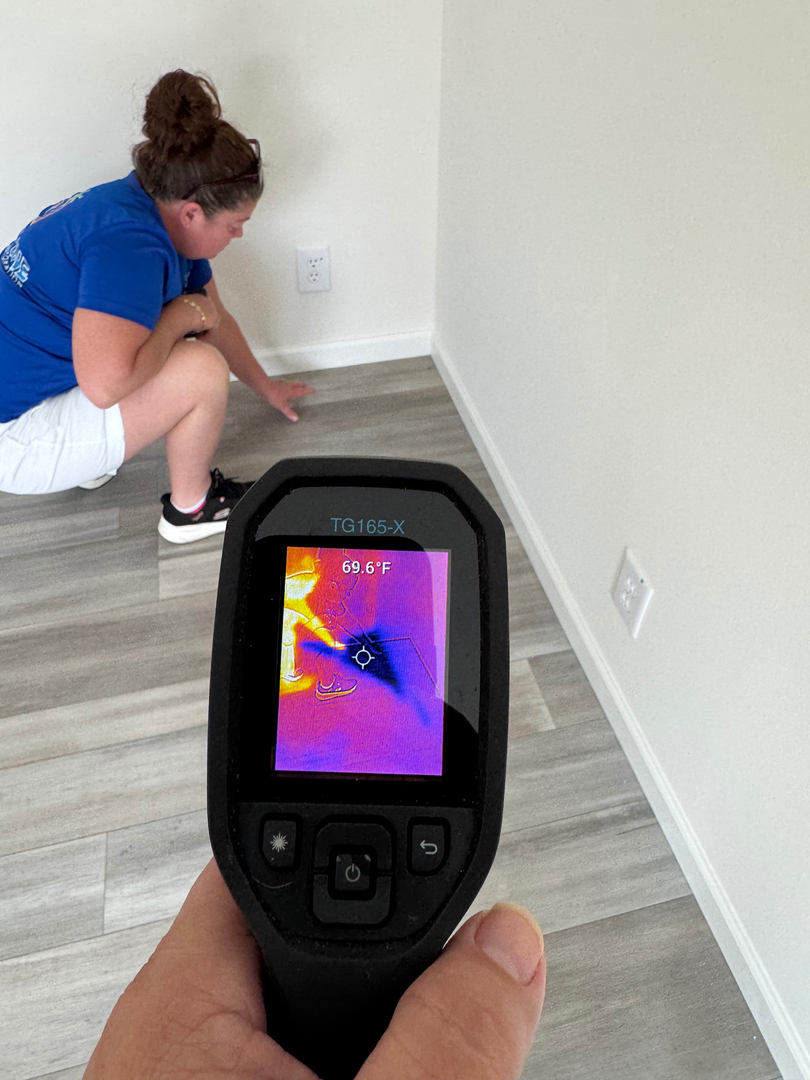
Addressing water damage requires a strategic approach. From inspection to drying, each step plays a vital role in restoring your home’s safety and comfort.
Professional Moisture Inspection Process
Inspecting for moisture involves more than just a visual check. Professionals use advanced tools like thermal imaging to detect hidden moisture. This accurate detection ensures all affected areas are identified, allowing for targeted and effective restoration efforts.
Strategic Dehumidification Techniques
Dehumidification is crucial for eliminating moisture. Using industrial-grade dehumidifiers, professionals can reduce moisture levels, preventing mold growth. This step not only dries out your home but also helps maintain indoor air quality by removing excess humidity.
Importance of Wall Cavity and Under-Cabinet Drying
Moisture often lurks in hard-to-reach areas. Wall cavities and spaces under cabinets are prime spots. Specialized equipment is used to dry these areas, ensuring no moisture is left behind. This thorough drying process is crucial for preventing future mold and structural issues.
Protecting Your Property and Health
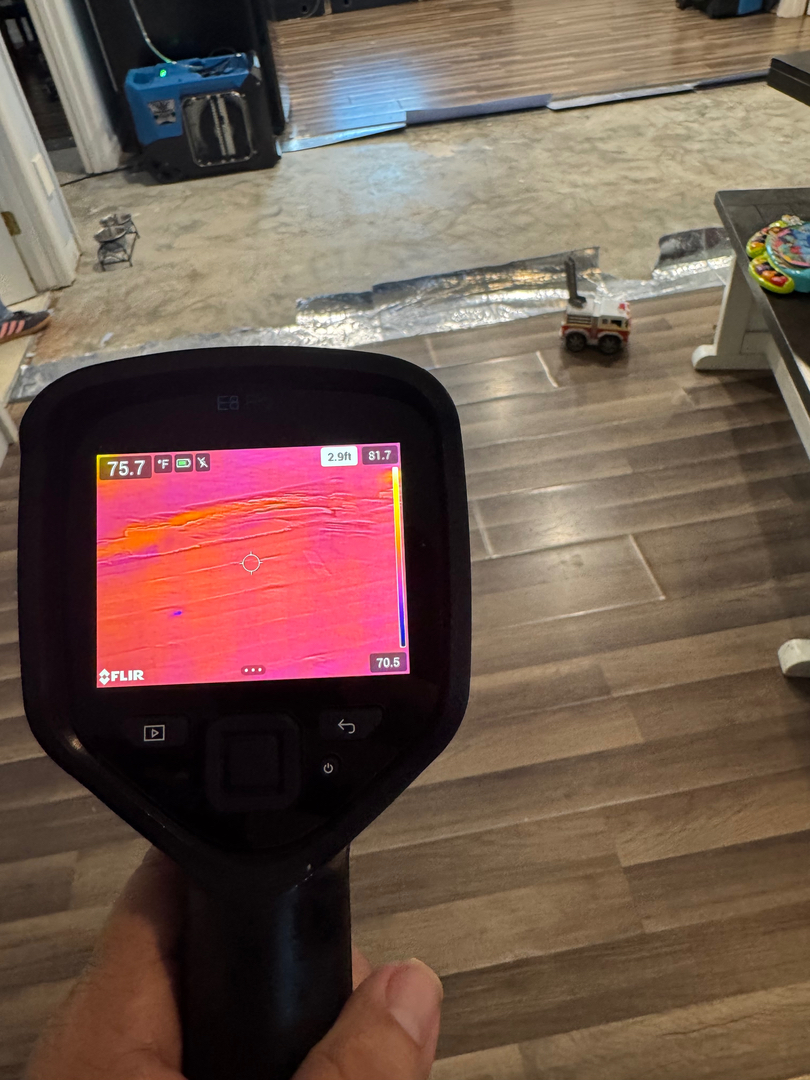
Proactive measures are key to safeguarding both your home and health. Controlling humidity and understanding insurance can save you from long-term headaches.
Preventing Mold with Humidity Control
Controlling indoor humidity is essential for mold prevention. Using dehumidifiers and ensuring proper ventilation can make a significant difference. By keeping humidity levels in check, you create an environment where mold struggles to grow.
The Role of Insurance in Restoration
Understanding your insurance coverage can ease the restoration process. Many policies cover water damage, but specifics vary. Knowing what your policy includes helps you navigate claims effectively, ensuring you get the support you need during restoration.
Scheduling a Professional Assessment
A professional assessment is a proactive step. Experts can identify hidden risks and provide tailored solutions to address them. By scheduling an assessment, you ensure your home remains safe, secure, and mold-free.
Frequently Asked Questions
Why is Florida’s humidity a problem for moisture?
Florida’s high humidity causes moisture to linger in homes, leading to mold growth and structural damage if not addressed quickly.
How does moisture inspection work?
Professionals use tools like thermal imaging to detect hidden moisture, ensuring all affected areas are identified for effective restoration.
What is the benefit of dehumidification?
Dehumidification removes excess moisture, preventing mold growth and maintaining indoor air quality by keeping humidity levels balanced.
Why is wall cavity drying important?
Hidden moisture in wall cavities can cause structural damage and mold growth. Proper drying ensures these areas are moisture-free, preventing future problems.
How can I prevent mold in my home?
Controlling humidity with dehumidifiers and ensuring proper ventilation can prevent mold by creating an environment where it can’t thrive.
https://allinonecleaningrestoration.com/blog/