
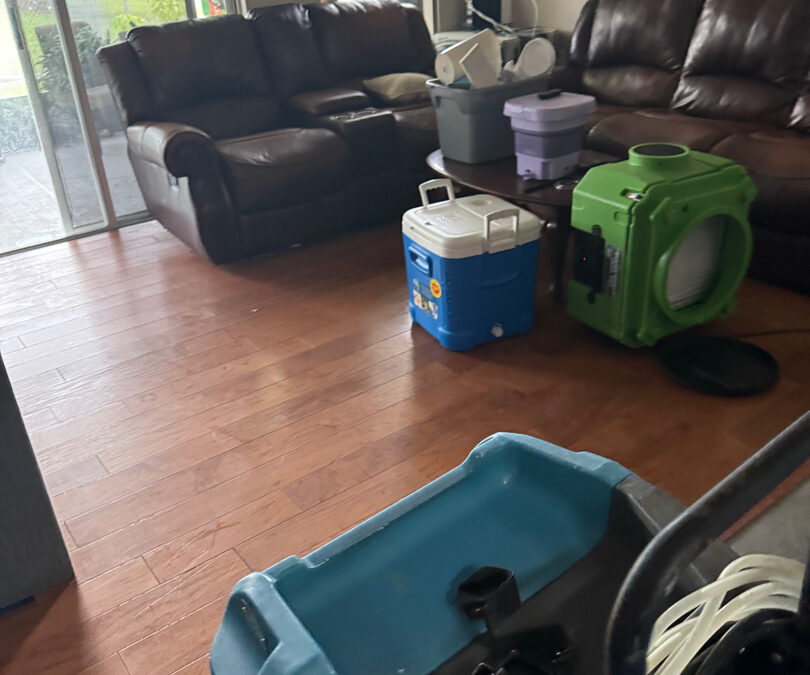
Mold can spread faster than you expect, threatening your home’s safety and your family’s health. The professional mold remediation process follows strict IICRC mold standards to tackle every hidden risk—from thorough mold inspection and testing to controlled removal and air filtration. Understanding each step helps you see why no shortcut is safe and why timely action preserves your property’s value and indoor air quality.
Understanding Mold Inspection and Testing
The first step in a professional mold remediation journey is understanding exactly what needs attention. This is where mold inspection and testing come into play.
Comprehensive Inspection Process
You might wonder why an inspection is necessary. Well, it identifies the scope of the problem. Professionals use specialized tools to detect mold in hidden spots, like behind walls or under floors. They focus not only on visible mold but also on areas prone to moisture where mold can thrive. This step is crucial because mold can grow in less than 48 hours after water exposure, so catching it early prevents further spread.
Importance of Moisture Mapping
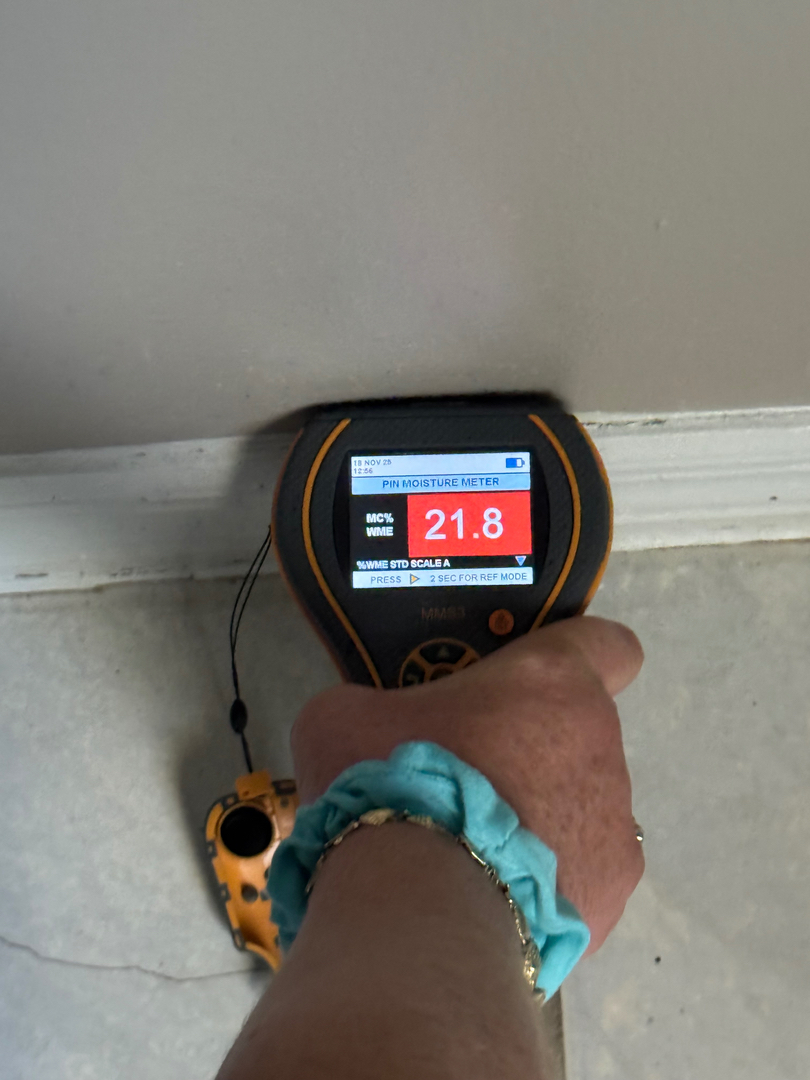
Moisture mapping is a critical part of the inspection. It helps pinpoint areas with excess moisture, which are mold hotspots. By tracking moisture levels, professionals can understand how and where mold might develop. This process ensures that they address not just the visible mold but also the underlying moisture issues, which are often the root cause.
Lab-Supported Mold Testing
Testing mold samples in a lab confirms the type of mold present. This step informs the remediation strategy, ensuring that the approach is tailored to effectively remove all mold types. Lab results guide experts in choosing the right cleaning agents and methods, providing a precise solution to the mold problem.
Key Steps in the Mold Removal Process
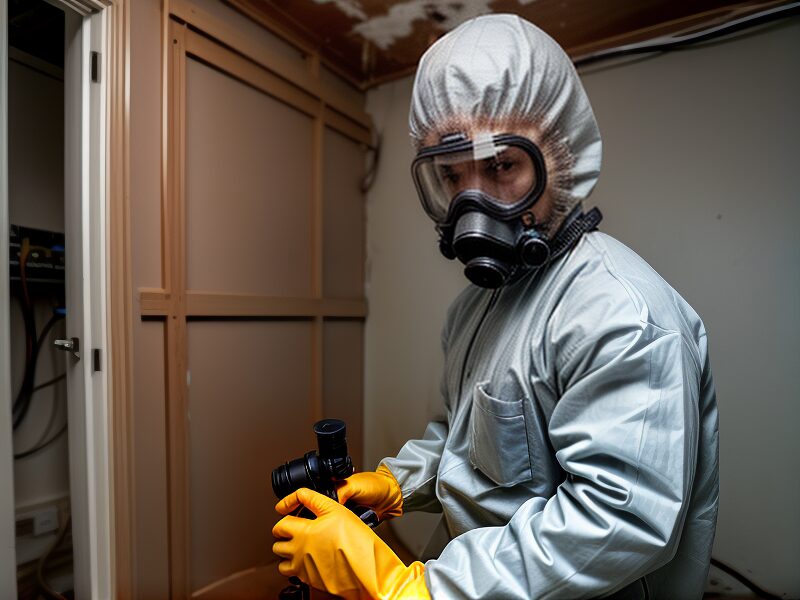
Once the inspection is complete, the next phase involves removing the mold safely and effectively. This section outlines the key steps in this critical process.
Source Moisture Control
Controlling moisture is essential to stopping mold growth. Experts focus on fixing leaks, drying out damp areas, and ensuring proper ventilation. By eliminating moisture sources, they cut off the mold’s growth supply, significantly reducing the chances of recurrence.
Engineered Containment with Negative Air
Containment is vital to prevent mold spores from spreading. Professionals set up barriers and use negative air pressure to keep mold particles confined to the affected area. This ensures that your home’s air quality remains intact, preventing the mold from contaminating other spaces.
Safe Removal and HEPA Air Filtration
The safe removal of mold involves using HEPA filters to capture tiny mold spores during the cleaning process. These filters trap 99.97% of microscopic particles, ensuring that the air you breathe is clean and safe. This meticulous removal process eliminates mold while protecting your indoor environment.
Post-Remediation Verification and Prevention
After the mold is removed, ensuring the problem doesn’t return is crucial. This section explains how professionals verify success and offer prevention tips.
Ensuring Indoor Air Quality
Maintaining good indoor air quality is essential post-remediation. This involves continuous monitoring and air quality testing to confirm that mold levels are safe. Experts provide insights on keeping your home’s air fresh and free from mold spores.
Clearance Testing and Documentation
Professionals conduct clearance testing to verify that all mold has been effectively removed. This testing provides peace of mind, confirming that your home is mold-free. Documentation of the process ensures transparency and can be vital for future home sales or insurance claims.
Tailored Prevention Guidance for Florida Climate
Given Florida’s humid climate, prevention is key. Mold experts offer tailored advice to help you manage humidity and prevent mold growth. This includes tips on ventilation, dehumidification, and routine maintenance, ensuring long-term protection for your home.
Frequently Asked Questions
What is the first step in mold remediation?
The first step in mold remediation is a comprehensive inspection to assess the extent of the mold problem. This helps identify hidden mold and areas prone to moisture.
How does containment prevent mold spread?
Containment involves creating physical barriers and using negative air pressure to keep mold spores from spreading to unaffected areas, thus maintaining your home’s air quality.
Why is moisture control important in mold remediation?
Moisture control is crucial because mold thrives in damp conditions. By fixing leaks and ensuring proper ventilation, you cut off the mold’s growth source, preventing recurrence.
What does clearance testing involve?
Clearance testing is conducted post-remediation to confirm that all mold has been successfully removed. It provides peace of mind and ensures your home is mold-free.
How can I prevent mold in Florida’s climate?
To prevent mold in Florida, manage humidity levels with dehumidifiers, ensure proper ventilation, and address any leaks promptly. Regular maintenance and inspections also help keep mold at bay.