
Mold can spread faster than most realize, especially in Florida’s humid climate. If left unchecked, it threatens your home’s safety and your family’s health. This guide walks you through every step of professional mold remediation Florida homeowners trust, explaining why each stage matters for lasting results. Knowing what to expect helps you take action with confidence—and protect what matters most.
Comprehensive Mold Remediation Steps
Initial Safety and Assessment
When dealing with mold, safety is the first concern. Professionals assess the extent of the mold problem to plan effectively. During this stage, experts conduct an initial walkthrough of your property. They identify affected areas and gather samples for mold testing and inspection. This crucial step ensures that the next actions are precisely targeted to address all mold sources. With a clear understanding of the problem, you can begin the remediation process with a solid plan.
Detailed Inspection Process
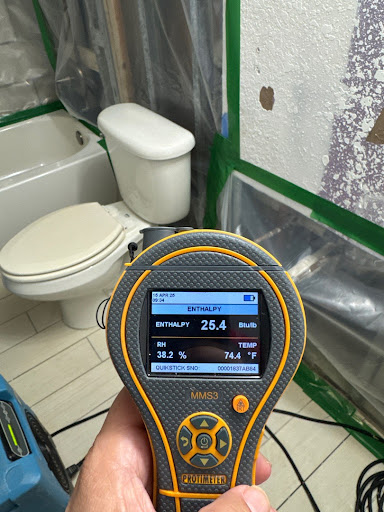
The inspection digs deeper into the root causes of mold growth. Technicians use specialized equipment to detect hidden mold and moisture pockets. This step involves checking not just visible areas but also behind walls and under flooring. By understanding the full scope of the issue, professionals can prevent future mold growth. It’s a thorough approach that allows for a tailored remediation plan, ensuring all mold is addressed at its source, not just on the surface.
Creating a Clear Remediation Plan
With detailed insights from the inspection, a remediation plan is crafted. This plan outlines the necessary steps to eliminate mold and repair affected areas. It includes timelines, safety measures, and the specific techniques and equipment to be used. The plan is designed to minimize disruption while ensuring thorough mold removal. By having a structured approach, you can see how the process works and feel confident that every detail is covered.
Effective Containment and Cleaning
Establishing Containment Zones
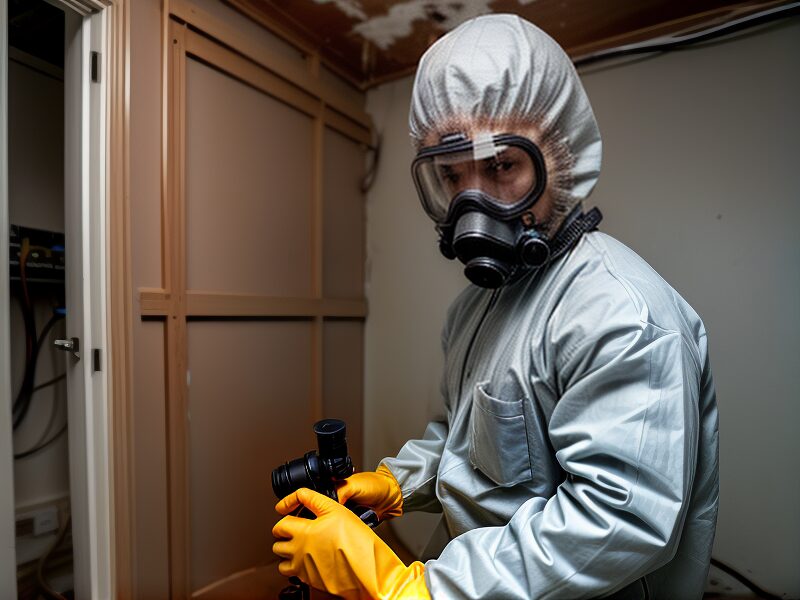
To prevent mold from spreading, professionals set up containment zones. These areas are sealed off using plastic sheeting and negative air containment systems. It’s like creating a barrier that keeps mold spores from contaminating other parts of your home. By isolating the affected area, the experts can focus on cleaning and removing mold without risking further spread. This step is essential to protect untouched parts of your home and maintain indoor air quality.
Advanced Air Control Techniques
Air quality is critical during mold remediation. Technicians use HEPA filtration machines to purify the air. These devices capture tiny mold spores, ensuring they don’t linger in your home. By continuously cleaning the air, the team reduces the risk of mold returning. This step not only clears the air but also provides a safer environment for you and your family during the cleanup process. Clean air means peace of mind and better health for everyone in your home.
Thorough Source Removal and Cleaning
Cleaning isn’t just about removing visible mold; it’s about tackling the source. Experts remove contaminated materials like drywall and carpeting that can’t be salvaged. They use specialized cleaners to treat affected surfaces and prevent mold from returning. This comprehensive cleaning ensures that every trace of mold is eliminated. By addressing the root cause, your home is left safe, clean, and mold-free, ready for the final stages of restoration.
Ensuring Long-Term Success
Drying and Dehumidification Measures
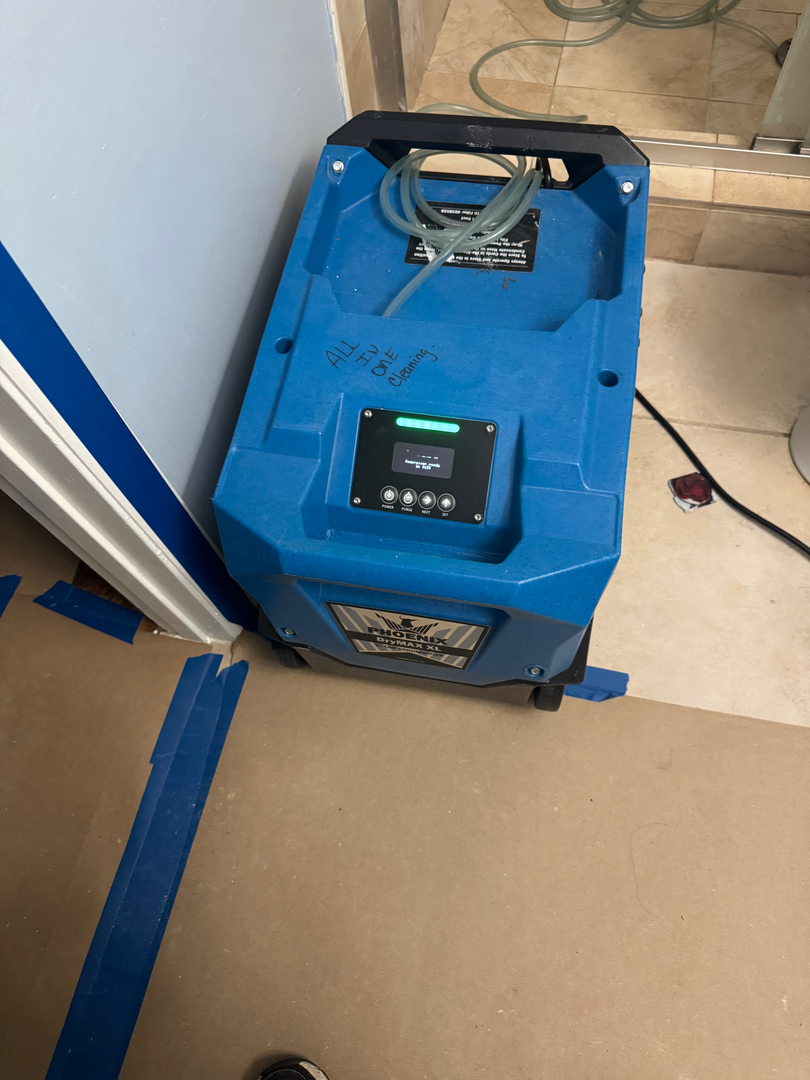
After mold removal, drying is crucial to prevent future problems. Professionals use dehumidifiers and fans to ensure all moisture is extracted. This process is vital in Florida’s humid climate, where mold can quickly resurface. By thoroughly drying the space, the risk of new mold growth is minimized. It’s about creating a dry environment where mold can’t thrive, ensuring long-lasting results and protecting your home investment.
Post-Remediation Verification
To confirm that mold remediation is successful, a post-remediation verification is performed. This step involves testing the air and surfaces for mold spores. Specialists ensure that the levels are safe before declaring the job complete. It’s a final quality check that guarantees your home is truly mold-free. Knowing your home passes this verification gives you complete assurance and peace of mind.
Restoration and Mold Prevention Strategies
The final step is restoring your home to its original state and implementing prevention strategies. This might include repairing walls, flooring, and applying mold-resistant paints or sealants. Professionals also offer mold prevention tips to keep your home safe in the future. By maintaining these strategies, you can protect your home from the threat of mold, ensuring a healthy, comfortable living environment for years to come.
Frequently Asked Questions
What is mold remediation?
Mold remediation is the process of removing and cleaning mold from indoor environments to ensure safety and prevent further growth. It involves assessing the extent of mold, removing contaminated materials, and purifying the air.
How long does mold remediation take?
The time needed for mold remediation varies based on the size and severity of the mold issue. Small jobs might take a few days, while larger infestations can require a week or more to complete thoroughly.
Can mold return after remediation?
If the underlying moisture problem is not resolved, mold can return. That’s why drying and dehumidification are critical parts of the remediation process, along with addressing any leaks or humidity issues.
Is mold remediation covered by insurance?
Coverage for mold remediation depends on the cause of mold growth and your particular insurance policy. It’s best to check with your insurer to understand your coverage details.
Why is professional mold removal important?
Professional mold removal ensures that all mold is effectively eliminated, preventing health risks and structural damage. Professionals have the expertise and equipment to handle mold safely and thoroughly, which DIY methods often lack.