
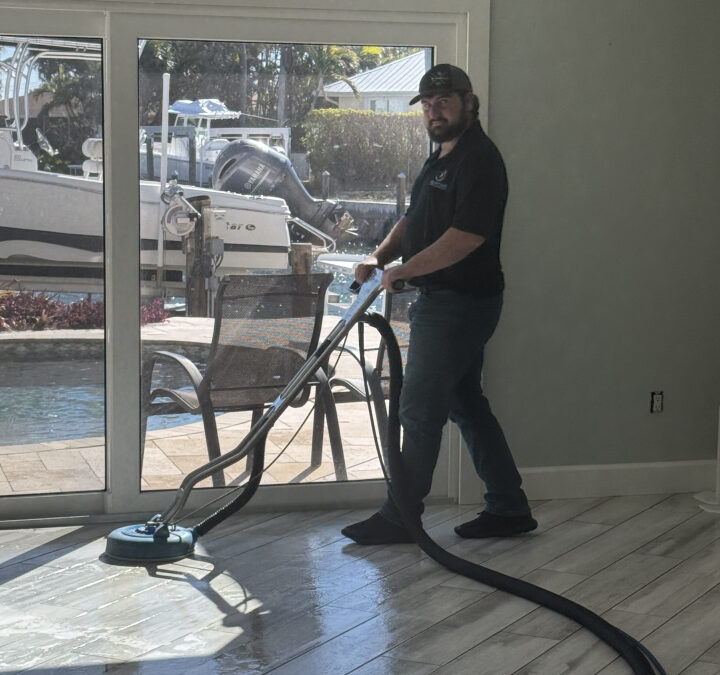
Florida’s humidity isn’t just uncomfortable—it slows the drying of damp materials, setting the stage for mold growth, warping, and odors that can cost you thousands. When water damage strikes, waiting too long to dry your property can turn a small problem into a major one. This post explains why fast drying is crucial in Florida’s climate and how professional structural drying stops damage before it spreads.
Florida Humidity and Material Damage
Florida’s climate poses unique challenges when it comes to drying materials. The high levels of humidity slow down evaporation, increasing the risk of damage in your home. Let’s explore how this happens and the consequences of delayed drying.
How Humidity Slows Evaporation
In Florida, high relative humidity means the air is already saturated with moisture. This saturation reduces the air’s capacity to absorb more moisture, slowing down the evaporation of water from wet surfaces. You might notice that wet items take longer to dry in Florida than in less humid places. This prolonged moisture retention can lead to problems like mold growth and structural damage if left unaddressed.
Secondary Damage: Mold and More
When materials stay wet for too long, secondary damage can occur. Mold growth is a common issue, thriving in damp environments. Mold not only affects the structural integrity of your home but also poses health risks, including respiratory problems. Besides mold, materials like wood can warp, and metals might corrode, leading to expensive repairs.
Consequences of Delayed Drying
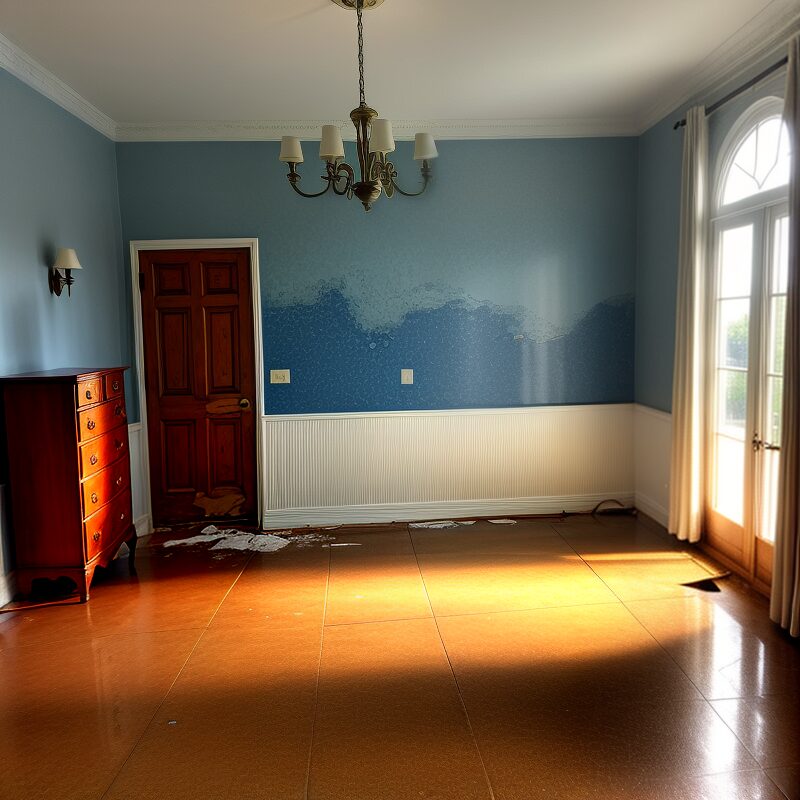
Delaying the drying process can escalate the damage significantly. The longer moisture remains, the more extensive the damage becomes. Warped floors, peeling paint, and persistent odors are just some of the consequences you might face. Addressing these issues promptly can save you from costly repairs and potential health hazards.
Importance of Fast Drying
Acting quickly when faced with water damage is crucial. Fast drying not only prevents further damage but also minimizes health risks for you and your family.
Professional Drying Techniques
Professional drying methods are designed to remove moisture efficiently. Technicians use specialized equipment like dehumidifiers and air movers to speed up the drying process. These tools work by reducing indoor humidity and increasing air circulation, helping materials dry faster and preventing the growth of mold.
Benefits of Rapid Water Extraction
Rapid water extraction is key to minimizing damage. Removing standing water quickly reduces the amount of moisture that can seep into materials. This step is crucial because the less water there is, the easier it is to dry out the affected areas. This rapid action not only saves your property but also reduces potential health hazards from mold growth.
Preventing Costly Repairs
By acting swiftly, you can prevent extensive damage that leads to costly repairs. Fast drying minimizes issues like warping, mold growth, and odors. This proactive approach saves you money in the long run and ensures your home remains safe and comfortable.
Effective Structural Drying Process
A structured drying process ensures thorough moisture removal and prevents future issues. Here’s how professionals handle it.
Initial Moisture Mapping and Assessment
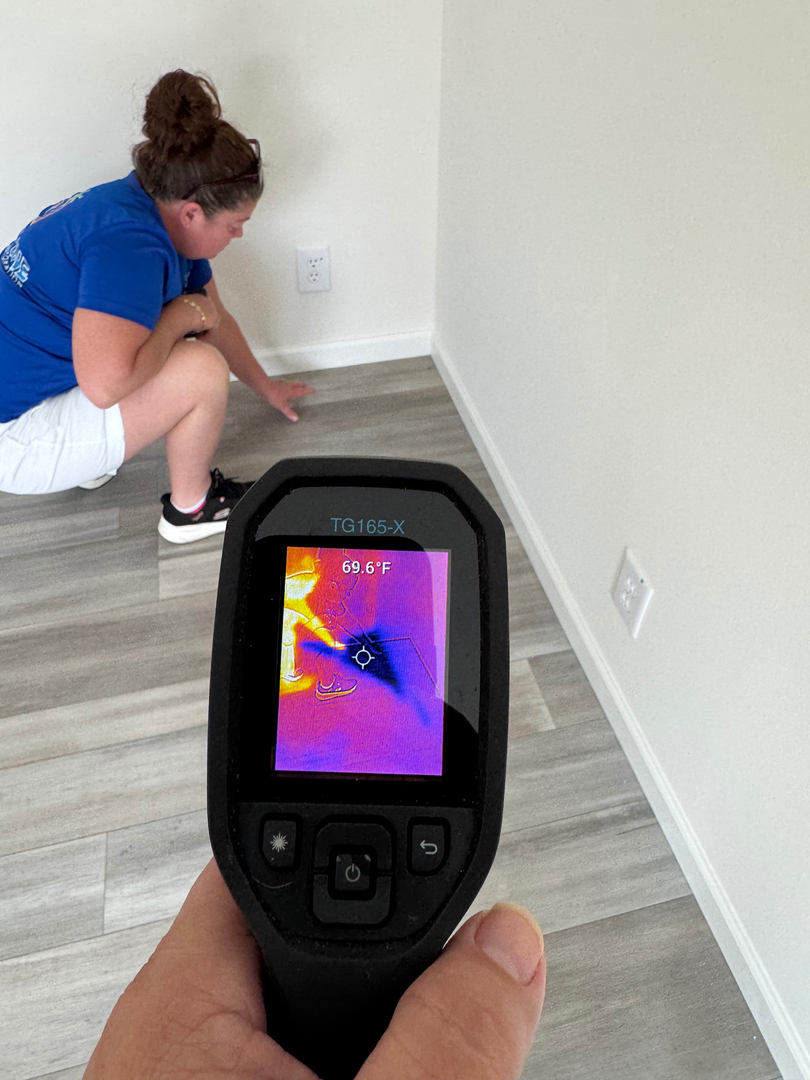
The first step in effective drying is assessing the extent of water damage. Professionals use tools like moisture meters and thermal imaging to map out affected areas. This assessment helps in creating a targeted drying plan that addresses all impacted zones, ensuring nothing is overlooked.
Advanced Drying Equipment and Methods
With the initial assessment complete, advanced drying equipment is deployed. LGR dehumidifiers, air scrubbers, and negative pressure drying systems are commonly used. These tools work together to reduce humidity and remove moisture from the air, speeding up the drying process.
Post-Dry Verification and Documentation
Once the drying is complete, a thorough verification process ensures all moisture has been effectively removed. Professionals document the drying process and results, providing evidence for insurance claims and peace of mind that your home is safe from future mold growth.
Frequently Asked Questions
What is the best way to dry out a water-damaged area?
The best approach involves a combination of water extraction, dehumidification, and air movement. Using professional equipment ensures thorough drying and prevents further issues like mold growth.
How quickly should I respond to water damage?
Immediate action is crucial. Mold can start growing within 24 to 48 hours, so it’s important to begin the drying process as soon as possible to prevent additional damage.
Why is professional drying more effective than DIY methods?
Professional drying uses advanced equipment and techniques that are more efficient at removing moisture and preventing further damage. Experts also provide a thorough assessment and documentation, which can be vital for insurance claims.
https://allinonecleaningrestoration.com/blog/