Water damage in your Florida property demands swift, expert attention to prevent costly complications. From emergency water extraction to detailed moisture mapping, professional restoration follows a precise, step-by-step process designed to safeguard your home’s structure and indoor air quality. Understanding what happens during water damage restoration Florida helps you stay informed and confident as your property recovers. Let’s explore the crucial stages that protect your investment and well-being.
Understanding Water Damage Restoration
When water invades your space, acting quickly is essential. The restoration process is not just about drying out your property, but ensuring it’s safe and stable for the long haul. Here’s how the professionals handle it.
Initial Assessment and Safety Measures
The first step in water damage restoration is a thorough assessment. Professionals evaluate the extent of the water intrusion and check for safety hazards. This step includes identifying potential electrical risks and structural stability. It’s crucial to get an accurate picture of the damage to develop an effective restoration plan.
Safety is always a top priority. The team will wear protective gear to avoid exposure to contaminants. They’ll also secure the area to prevent accidents. This ensures that both the restoration team and your family remain safe throughout the process.
Emergency Water Extraction Process
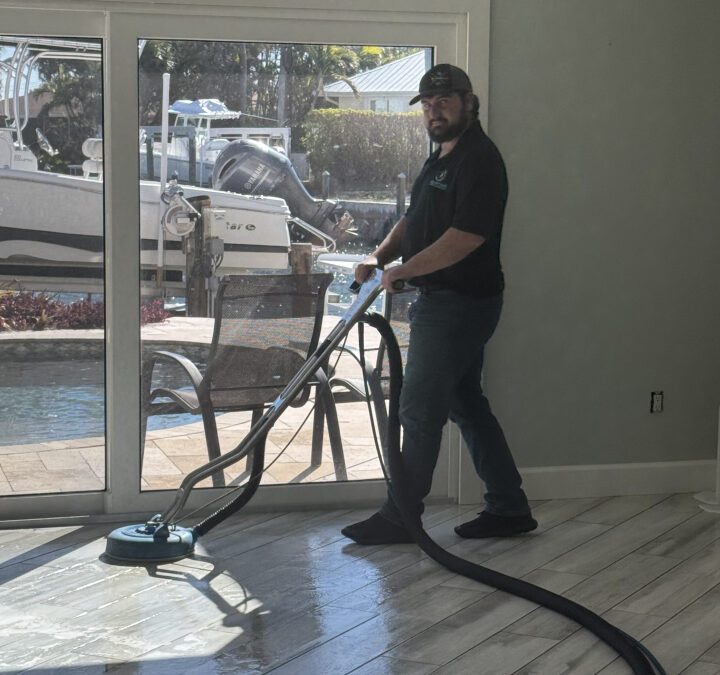
Once the assessment is complete, the next step is removing the standing water. This is where emergency water extraction comes into play. High-powered pumps and vacuums are used to quickly remove water from your property. The goal is to eliminate as much water as possible to prevent further damage and mold growth.
Time is of the essence here. The longer water sits, the more damage it can cause. Most people think they can wait it out, but immediate action is crucial. By tackling water extraction swiftly, we minimize the risk of structural damage and mold.
Moisture Mapping and Hidden Moisture Detection
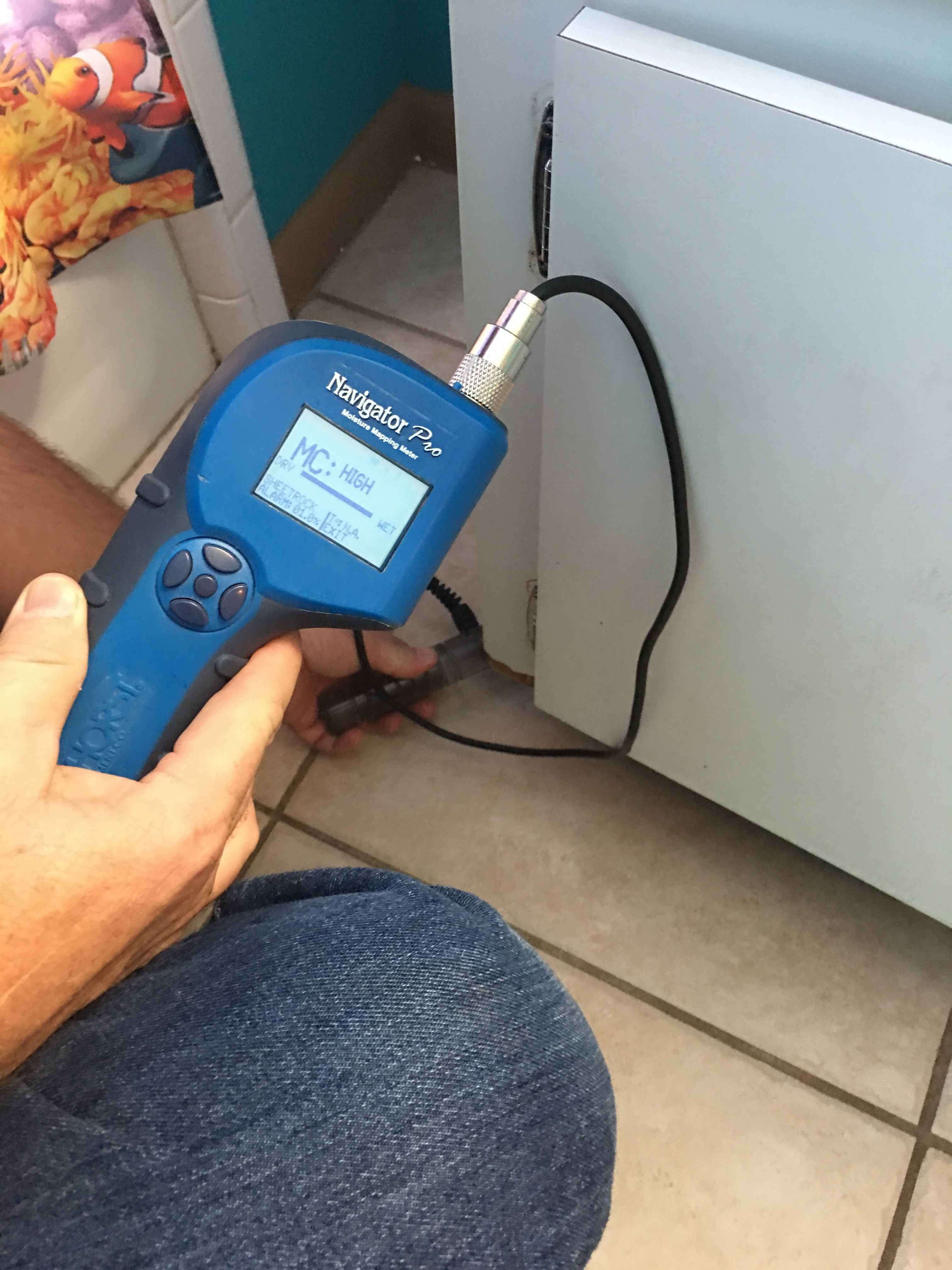
After the visible water is gone, it’s time to detect hidden moisture. Moisture mapping is a process that helps identify areas where water may have seeped into walls or floors. Tools like moisture meters and infrared cameras help locate these pockets of water.
This step is vital because water can hide in unexpected places. Left unchecked, it can lead to mold growth and structural issues. By finding and addressing hidden moisture, we ensure a thorough dry-out and prevent future problems.
Key Restoration Techniques
With the initial damage under control, the focus shifts to restoring your property. Various techniques are employed to ensure every nook and cranny is addressed.
Structural Drying Florida Techniques
Florida’s climate demands specific drying techniques. This involves using industrial-grade dehumidifiers and air movers to evaporate moisture. Structural drying targets beams and drywall that may have absorbed water.
These techniques are tailored to combat Florida’s humidity and ensure your home dries completely. Most think evaporation alone is enough, but targeted techniques are necessary to truly eliminate moisture.
Wet Drywall Removal and Antimicrobial Treatment
If drywall is too damaged, it needs removal. Wet drywall can harbor mold, so it’s essential to replace it. After removal, antimicrobial treatments are applied to sanitize affected areas.
This treatment prevents mold and bacteria from thriving. It’s a crucial step in ensuring your home remains healthy and safe for your family.
Dehumidification and Air Movers
Dehumidification is the final touch in the drying process. Air movers circulate air, while dehumidifiers pull moisture from the environment. This combination speeds up drying and prevents mold.
In Florida, where humidity is high, this step is non-negotiable. It’s the key to ensuring your home is completely dry and mold-free.
Ensuring Complete Recovery
The final phase of restoration is about ensuring no stone is left unturned. These methods guarantee your home is safe and habitable once more.
Psychrometric Monitoring and HEPA Air Filtration
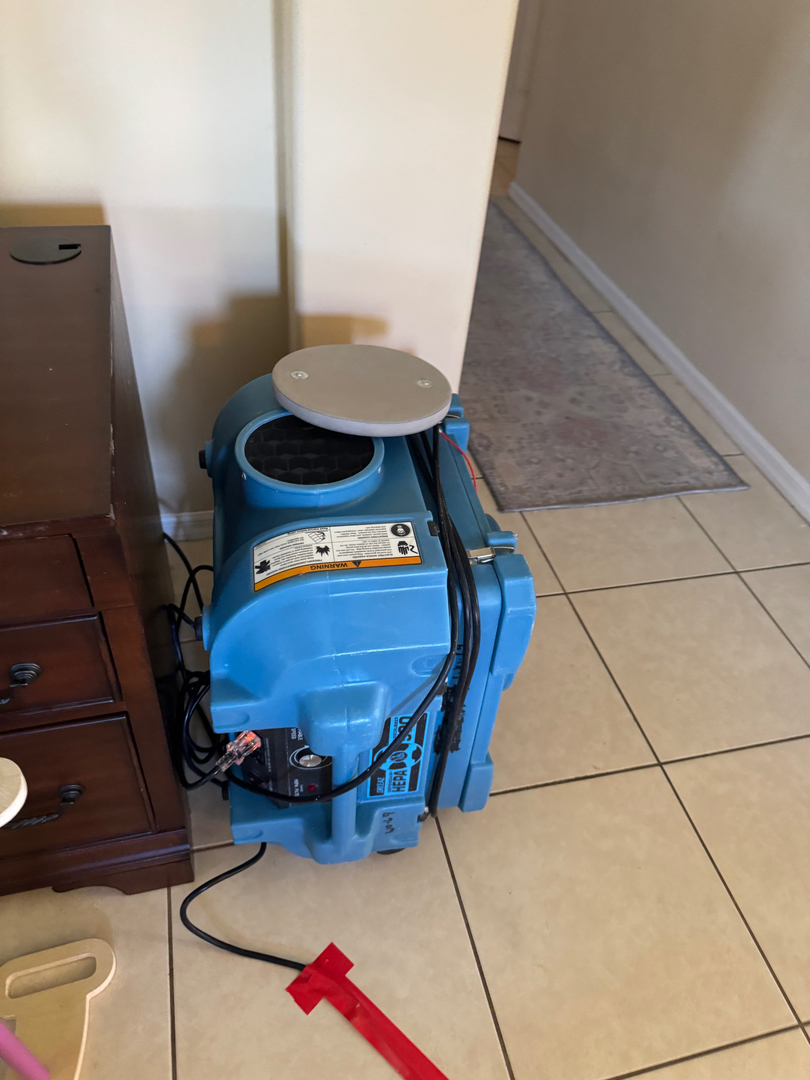
Monitoring the drying process is crucial. Psychrometric readings are taken to track moisture levels. This data helps adjust drying strategies as needed. Additionally, HEPA air filtration is used to clean the air of contaminants.
This process ensures that not only is your home dry, but the air you breathe is clean. It’s a comprehensive approach to restoration that prioritizes your family’s health.
Mold Prevention in Florida Humidity
Mold can be a significant issue in Florida’s humid climate. Preventative measures, like controlling indoor humidity and using mold-resistant materials, are essential.
Most people believe mold prevention is a one-time task, but it requires ongoing attention. Regular checks and maintenance help keep your home mold-free.
Insurance Claim Documentation and Support
Navigating insurance claims can be daunting. Professional restoration services often assist with documentation and claim processes. This support ensures you get the compensation you deserve.
By providing detailed reports and photos, they streamline the claim process. It’s one less thing for you to worry about during this stressful time.
Frequently Asked Questions
What should I do immediately after water damage?
First, ensure everyone’s safety by turning off electricity and avoiding contaminated areas. Next, contact a professional restoration service to begin the assessment and extraction process.
How long does the water damage restoration process take?
The duration depends on the extent of the damage. Minor cases might take a few days, while significant damage could take weeks. An initial assessment will provide a more accurate timeline.
Can I handle water damage on my own?
While minor water spills can be managed at home, professional intervention is crucial for significant damage to prevent mold and structural issues. Experts use specialized equipment and techniques to ensure thorough restoration.
Why is moisture mapping important?
Moisture mapping detects hidden water in walls and floors. Without it, water can remain undetected, leading to mold growth and further damage.
Will my insurance cover water damage restoration?
Coverage varies by policy. Most insurance plans cover sudden and accidental water damage, but not gradual issues. Check with your provider for specific details related to your policy.
https://allinonecleaningrestoration.com/blog/