Hidden moisture after water damage in Florida can spread quickly, often without any visible signs. Within 24 to 48 hours, mold growth can begin, putting your property and health at serious risk. Understanding how moisture migration works—from capillary action to vapor drive—is essential to stopping damage fast. In this post, you’ll learn where hidden moisture hides and the professional steps needed to locate and dry it, protecting your home or business from long-term harm.
Understanding Moisture Migration
Moisture doesn’t just sit; it moves. After water damage, it infiltrates deeper and wider than you might imagine.
How Hidden Moisture Spreads
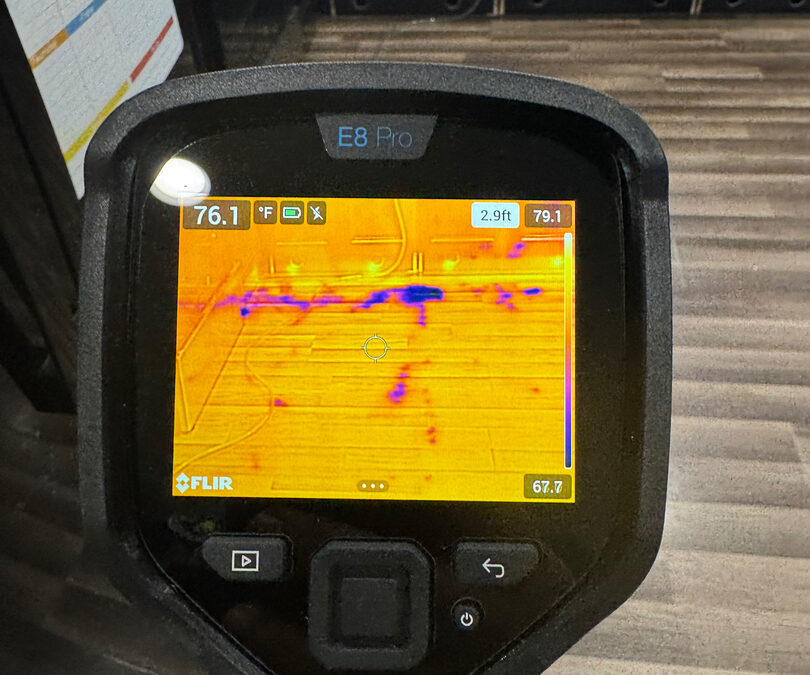
Hidden moisture is sneaky. It travels under floors, behind walls, and into places you can’t see. This movement happens through natural processes, driven by temperature and pressure differences. As moisture spreads, it can lead to mold growth and structural damage in just a few days. Using tools like thermal imaging helps identify these hidden wet spots early.
Capillary Action and Vapor Drive
Capillary action is moisture’s secret weapon. It lets water travel upward through tiny spaces in materials, even defying gravity. Vapor drive, on the other hand, is all about the movement of moisture in the air, pushing it into walls and ceilings. Both processes make it difficult to spot moisture until it’s too late. Understanding these phenomena is essential for effective water damage prevention.
Wicking in Building Materials
Wicking is another way moisture spreads. It occurs when water is absorbed by porous materials like wood or drywall, causing it to travel upward or sideways. This can result in extensive damage, as the moisture continues to move and expand its reach. Knowing how wicking works helps in targeting areas that need immediate attention.
Identifying and Mitigating Risks
Knowing the risks associated with hidden moisture is crucial for prevention and safety.
Health Hazards: Mold Growth 24-48 Hours
Mold can start appearing within 24 to 48 hours after water damage. This rapid growth can cause severe health issues, including respiratory problems and allergies. It’s important to act fast, as mold spores can spread quickly through the air, affecting more than just the immediate area.
Structural Risks in Florida Homes
Florida homes face unique challenges due to high humidity and frequent storms. Moisture can weaken structural elements like beams and supports, leading to costly repairs. Regular inspections and moisture mapping can help detect potential issues before they become major problems.
Importance of Moisture Mapping
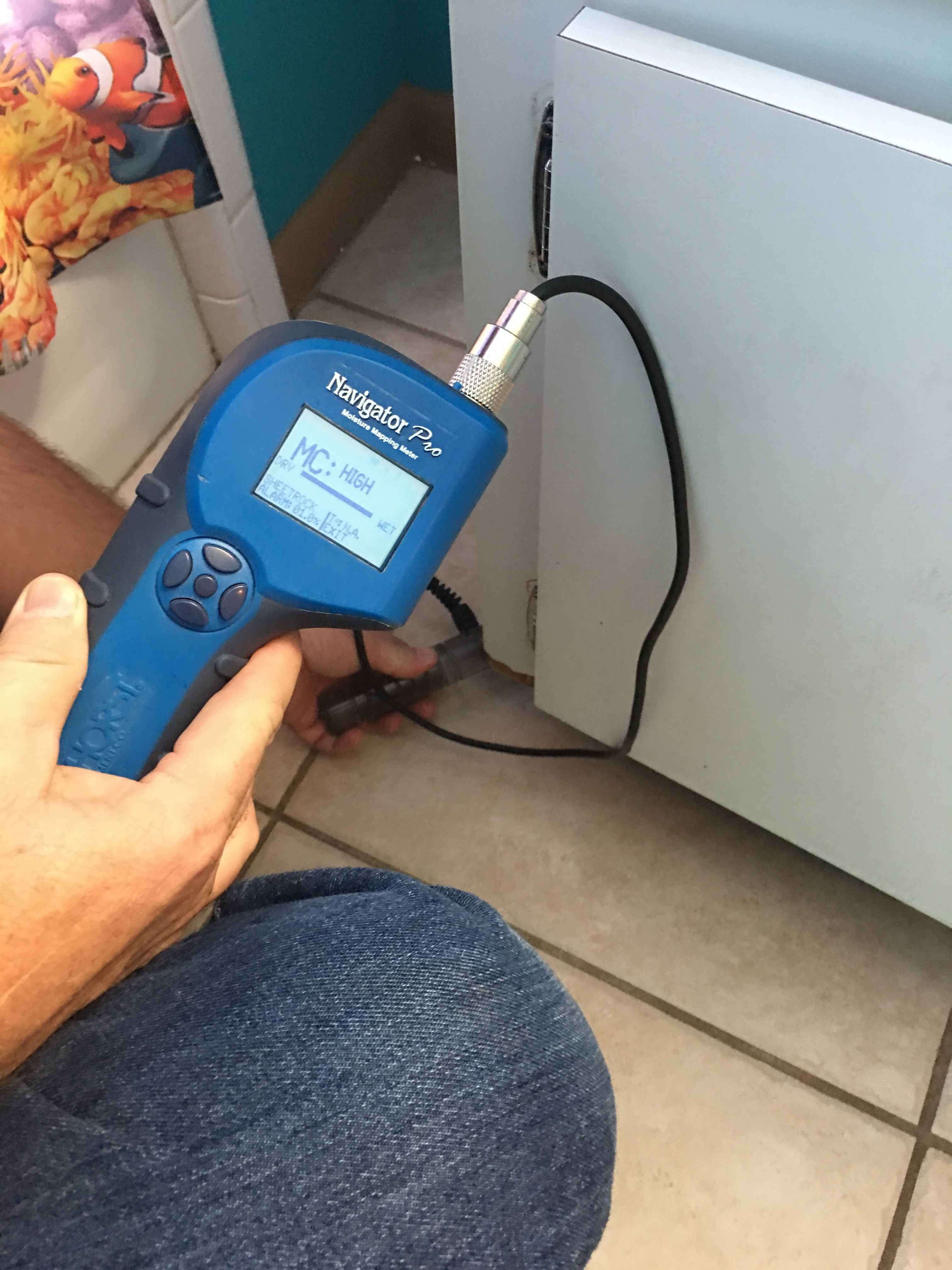
Moisture mapping is a vital tool in identifying damp areas. By using moisture meters and other advanced tools, you can pinpoint where the problem areas are. This helps in planning effective drying strategies and ensuring all hidden moisture is addressed.
Professional Restoration Solutions
When it comes to dealing with water damage, professional solutions are key.
Advanced Leak Detection Florida
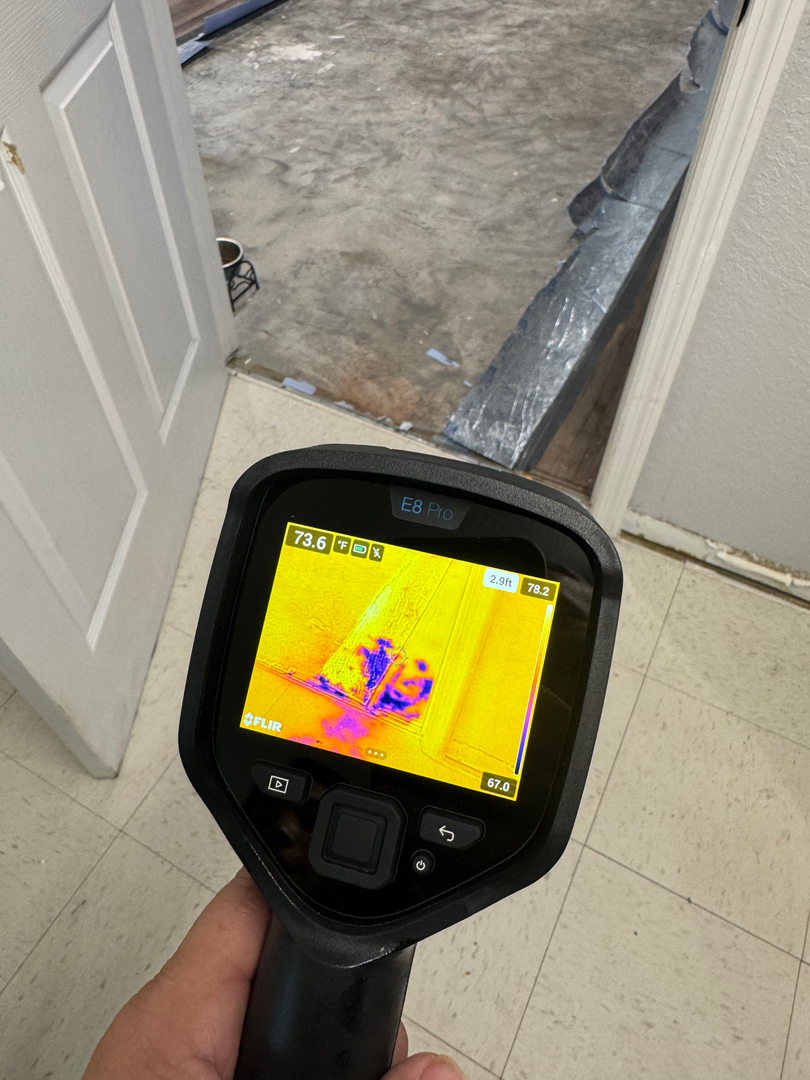
Advanced leak detection methods, such as the use of infrared cameras and moisture meters, help locate the source of water damage quickly. This technology allows for precise targeting of affected areas, reducing the risk of further spread and damage.
Effective Structural Drying Techniques
Effective structural drying involves more than just fans and dehumidifiers. It requires a strategic approach, using specialized equipment to ensure all moisture is removed. This step is critical in preventing mold growth and preserving the integrity of your home or business.
Role of IICRC Certified Experts
IICRC certified experts bring a level of professionalism and expertise that ensures your property is restored correctly. They follow industry standards, using proven techniques to dry, clean, and restore your space. Their knowledge and experience are invaluable in preventing future issues.
Frequently Asked Questions
What is moisture migration?
Moisture migration refers to the movement of water through building materials and air, often leading to hidden moisture in unexpected areas.
How quickly does mold grow after water damage?
Mold can begin growing within 24 to 48 hours after water damage, making prompt action essential to prevent its spread.
What tools are used in moisture mapping?
Moisture mapping often employs tools like thermal imaging cameras and moisture meters to detect hidden damp areas and guide restoration efforts.
https://allinonecleaningrestoration.com/blog/