
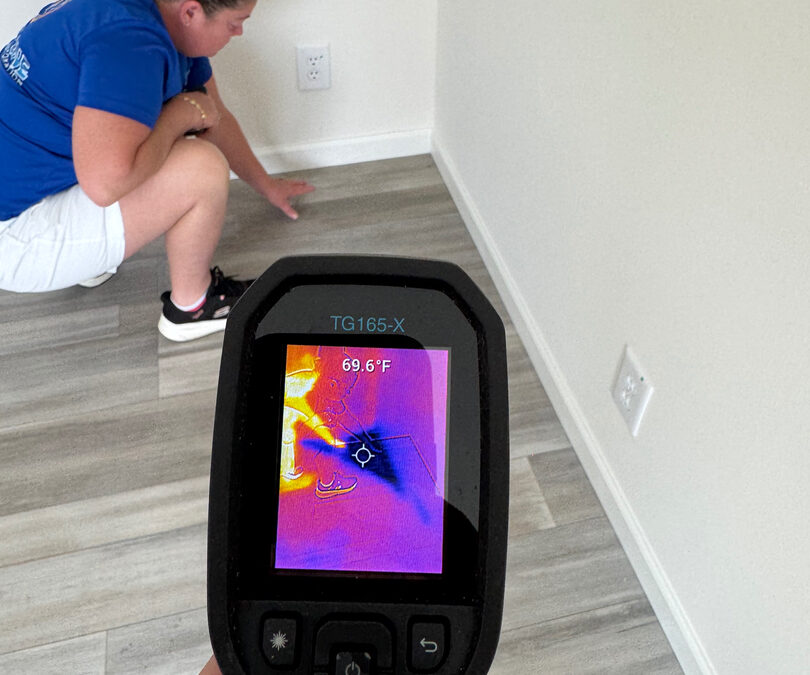
Hidden moisture can spread quickly after water damage in Florida homes and businesses, often unseen until it causes serious problems. Within 24 to 48 hours, mold can begin to grow, threatening both health and structural integrity. Understanding moisture migration and using professional moisture mapping and thermal imaging inspection are essential to stop damage fast and ensure complete drying. Keep reading to learn how experts identify and combat hidden moisture before it worsens.
Understanding Hidden Moisture
Hidden moisture can linger long after water damage occurs, often causing more harm than what initially meets the eye. Let’s uncover how it migrates and the risks it poses in humid Florida.
How Moisture Migration Occurs
Water doesn’t just stay where it lands. It spreads through materials in your home. Known as capillary action, this process lets moisture travel through porous materials like drywall and wood. Think of it like a sponge soaking up water, drawing it upward and sideways.
Vapor drive also plays a role here. Warm, moist air can push water vapor through barriers, leading to hidden pockets of moisture. This is why you might find moisture in places you didn’t expect, like behind walls or under floors.
Risks of Hidden Moisture
Hidden moisture is more than a damp nuisance—it can be a serious threat. Within just 24 to 48 hours, mold can start growing. Mold isn’t just unsightly; it can cause respiratory problems and worsen asthma.
But mold isn’t the only issue. Moisture can weaken structural elements like beams and supports, compromising your home’s integrity. Over time, this can lead to costly repairs or even make parts of your home unsafe.
The Role of Florida Humidity
Florida’s climate is famously humid, which can accelerate moisture problems. High humidity levels can slow drying times, giving mold more time to grow. It also means that once moisture is in your home, it doesn’t leave quickly.
This humidity can make even a small leak a big problem. The longer you wait to address it, the more extensive the damage can become. Understanding the role of humidity is crucial to effective moisture management.
Professional Moisture Detection
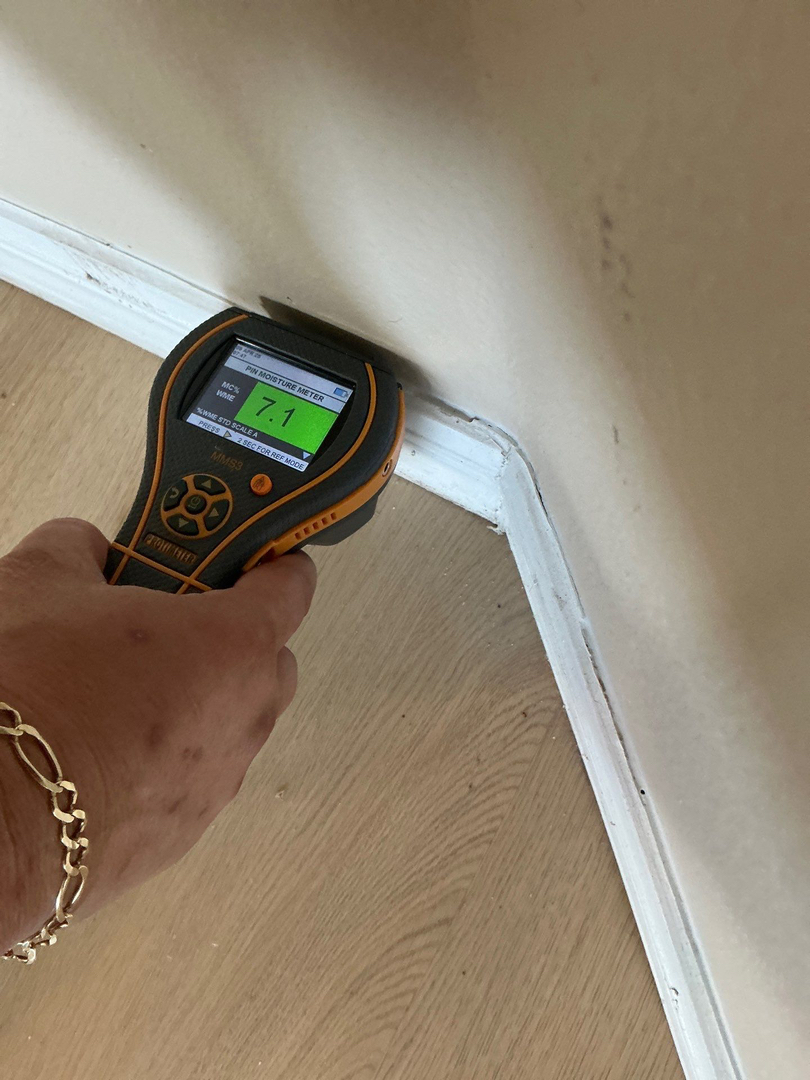
Detecting hidden moisture quickly is key to preventing further damage. Professionals use advanced techniques to pinpoint moisture and stop it in its tracks.
Moisture Mapping Techniques
Moisture mapping is like creating a moisture “map” of your home. Specialists use this technique to identify where moisture is hiding and how far it has spread. By carefully measuring moisture levels across different areas, they can determine the extent of the problem.
Mapping helps in planning the drying process, ensuring that no wet spot is left untreated. Knowing exactly where moisture is allows for a targeted approach, saving time and preventing further issues.
Thermal Imaging Inspection
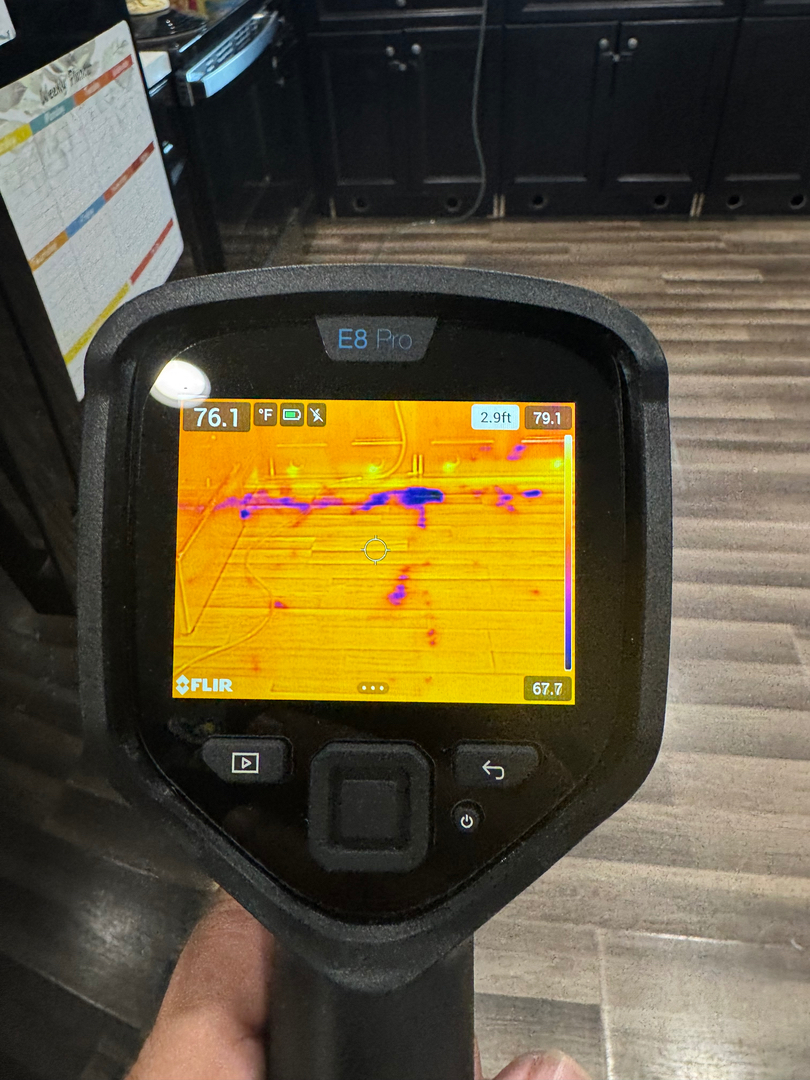
Thermal imaging tools are powerful allies in finding moisture. These cameras detect temperature differences in materials, revealing areas where moisture may not be visible to the naked eye.
A cooler area on the thermal image often indicates moisture presence. This non-invasive method lets experts find hidden moisture without causing additional damage to your property, ensuring a thorough inspection.
Tools for Accurate Detection
Professionals rely on a variety of tools to ensure accurate moisture detection. Moisture meters provide precise readings of moisture content in materials, helping to confirm findings from thermal imaging and mapping.
These tools, combined with expert knowledge, allow for a comprehensive assessment, ensuring all moisture is identified and addressed to prevent future problems.
Effective Structural Drying
Proper drying is the next step to ensure your home is safe and mold-free. Here’s how professionals manage structural drying effectively.
Step-by-Step Drying Process
-
Assessment: Experts start by evaluating the extent of moisture damage using the tools and techniques mentioned.
-
Water Extraction: Removing standing water is crucial. Professionals use powerful pumps and vacuums for rapid extraction.
-
Air Movement: High-speed fans are strategically placed to increase airflow, speeding up drying times.
-
Dehumidification: Using dehumidifiers, professionals remove excess moisture from the air, preventing mold growth and further water damage.
Importance of Dehumidification
Dehumidification is a critical component in the drying process. It reduces air moisture levels, creating an environment where mold cannot thrive. This step helps in drying out materials that have absorbed water, ensuring a comprehensive drying process.
Preventing Mold Growth 24-48 Hours
The first 24 to 48 hours are crucial in preventing mold growth. Acting quickly can stop mold before it becomes a problem. This is why immediate professional intervention is essential.
By identifying and drying hidden moisture promptly, you can protect your home and health. Remember, the sooner you act, the more you can minimize damage and save on costly repairs.
Frequently Asked Questions
How fast can mold grow after water damage?
Mold can begin growing within 24 to 48 hours after water damage. This rapid growth makes quick action crucial.
Why is humidity a problem in Florida homes?
Florida’s high humidity can slow down drying times, allowing mold to grow more easily. It also means moisture doesn’t evaporate quickly, compounding issues.
What is moisture mapping, and why is it important?
Moisture mapping identifies where moisture has spread in your home. It allows for targeted drying, ensuring all moisture is addressed to prevent further damage.
How do professionals detect hidden moisture?
Professionals use techniques like moisture mapping and thermal imaging to detect hidden moisture without causing further damage.
What steps are involved in the drying process?
The drying process includes assessment, water extraction, air movement, and dehumidification to ensure all moisture is removed and to prevent mold growth.