Water spills and leaks happen, but not all require a full restoration. Knowing when your property needs water damage restoration Florida specialists—and when a simple clean can suffice—can save you from hidden risks and costly repairs. In this post, you’ll learn 10 clear signs that point to more than just surface cleaning, helping you act quickly to protect your home’s safety and value.
Recognizing Water Damage
Identifying water damage early can save you time and money. Not all signs are obvious, but being aware of subtle cues can prevent further issues.
Musty Odors and Ceiling Stains
Musty odors often signal hidden water damage. When water seeps into materials like drywall or wood, it creates a damp environment perfect for mold. Mold growth not only smells bad but can also affect your health. If you notice a persistent musty smell, it’s time to investigate further.
Ceiling water stains are another indicator. These unsightly marks often mean a leak from the roof or plumbing. Ignoring these stains can lead to bigger problems, such as structural damage. Act quickly by contacting a professional to assess the situation.
Warped Floors and Damp Walls
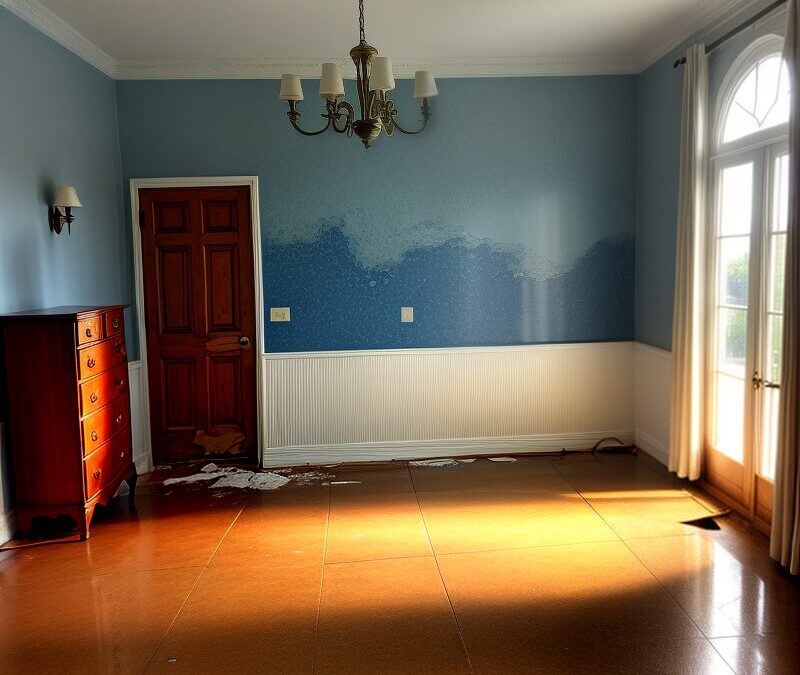
Warped hardwood floors are a common consequence of water damage. When wood absorbs too much moisture, it expands and distorts. This not only ruins your floors but also suggests a more serious underlying issue that needs attention.
Damp walls, on the other hand, often hide behind wallpaper or paint. Moisture trapped in walls can lead to mold growth, which can compromise your home’s air quality. If you suspect your walls are damp, it’s important to test for moisture and take steps to dry them out properly.
Restoration vs. Cleaning
Understanding whether you need restoration or just cleaning is crucial. Each situation is unique, requiring a careful assessment to determine the best approach.
When to Call Professionals
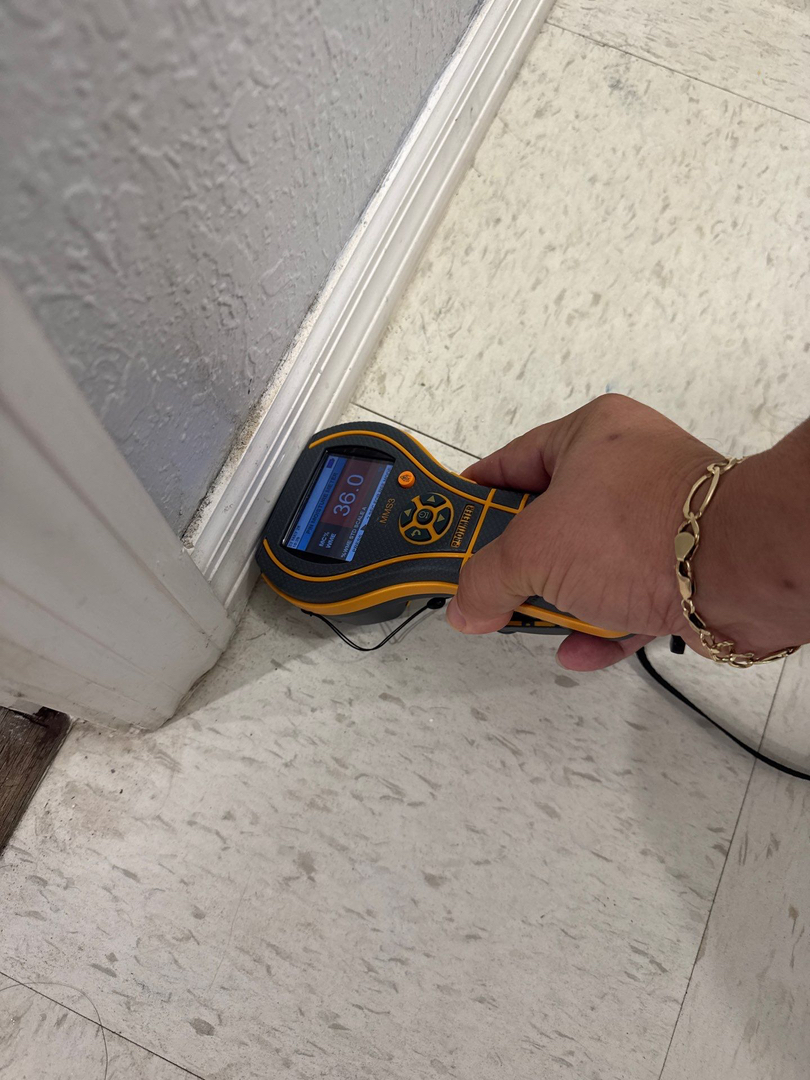
Calling professionals is essential when water damage goes beyond a simple spill. Signs such as persistent odors, visible mold, or structural changes indicate you need expert help. Professionals use advanced tools like infrared moisture inspections to pinpoint hidden damage. They also provide comprehensive solutions, from water extraction to mold remediation.
If you’re dealing with Category 2 or 3 water, like sewage or contaminated water, professional intervention becomes urgent. These types of water carry health risks and require specialized handling to ensure safety.
Signs of Structural Risk
Structural risks include cracked walls, sagging ceilings, and uneven floors. These issues often stem from prolonged water exposure and can compromise your home’s integrity. Quick assessment and intervention are key to preventing further damage.
Professional restoration services offer structural drying and dehumidification services. These steps help stabilize your home and prevent future problems. Ignoring structural risks can lead to costly repairs, so it’s best to address them promptly.
Immediate Actions to Take

Taking immediate action can minimize damage and expedite recovery. Simple steps can make a big difference when dealing with water incidents.
Emergency Water Removal Steps
Start by identifying the water source. Stop leaks by turning off the main water supply if necessary. Use towels and mops to remove standing water. For larger volumes, a wet/dry vacuum can be effective.
Consider using air movers and dehumidifiers to speed up the drying process. These tools help prevent mold growth by reducing moisture levels. If the damage is extensive, professional emergency water removal services are recommended to ensure thorough drying.
Insurance and Documentation Guidance
When dealing with water damage, documentation is crucial. Take photos and notes of all affected areas. This helps when filing an insurance claim for damage coverage.
Contact your insurance company promptly to report the damage. They can guide you on the next steps and help with direct insurance billing. Having detailed records and working with professionals can streamline the claims process and ensure proper compensation.
Frequently Asked Questions
What are the first steps I should take after discovering water damage?
Start by stopping the water source if possible, then begin removing standing water with towels or a wet/dry vacuum. Document the damage thoroughly with photos and notes for insurance purposes.
How quickly does mold grow after water damage?
Mold can start growing within 24 to 48 hours after water exposure. Quick action in drying the affected areas is crucial to prevent mold growth.
Can I handle water damage cleanup myself?
For minor incidents, you might manage with towels and fans. However, for extensive damage, especially with contamination, professional help ensures thorough and safe restoration.
What should I know about filing an insurance claim for water damage?
Document everything with photos and notes. Contact your insurance provider promptly to report the damage and get guidance on the claims process.
When is it necessary to replace damaged materials rather than clean them?
If materials like carpets, drywall, or insulation are heavily saturated or contaminated, replacement is often necessary to prevent mold growth and ensure structural integrity.