Florida humidity stays above 60% most days, quietly feeding hidden moisture in your walls and crawl spaces. This unseen dampness creates the perfect conditions for mold growth Florida homeowners dread. You’ll learn how to spot these silent threats and take clear steps to protect your property and health before damage takes hold.
Understanding Florida Humidity and Mold Risks
Florida’s climate creates a constant battle with humidity, and understanding this is your first defense. Let’s explore how this moisture creates mold risks and how to manage them.
How Humidity Fuels Mold Growth
Mold thrives in damp environments, and Florida’s humidity offers just that. When the relative humidity indoors exceeds 60%, it promotes mold growth. This moisture can seep into walls, floors, and ceilings, creating a breeding ground for mold. By keeping indoor air dry and using dehumidifiers, you can keep mold at bay.
Hidden Moisture Pockets Explained
Moisture doesn’t always show up where you’d expect. It hides in crawl spaces and behind walls, invisible to the naked eye. Florida’s humidity can condense in these areas, leading to unseen mold growth. Regular inspections and moisture mapping can help you detect these hidden threats before they become a problem.
Health and Structural Risks of Mold
Mold isn’t just an eyesore—it poses significant health risks. Mold spores can cause allergies and respiratory issues, especially in children and the elderly. Structurally, mold can weaken your home’s integrity, causing wood and drywall to deteriorate. Addressing mold quickly is crucial to maintaining a safe and healthy living environment.
Effective Strategies for Mold Prevention
Understanding the risks is just the beginning. Let’s dive into actionable strategies to prevent mold and protect your home from Florida’s relentless humidity.
Step-by-Step Humidity Control
Controlling humidity in your home is essential. Start by using dehumidifiers to maintain indoor humidity below 60%. Ensure your HVAC system is working efficiently and consider installing bathroom exhaust fans to reduce moisture. Regularly check and clean air filters to optimize airflow and prevent moisture buildup.
Detecting Hidden Moisture and Leaks
Finding hidden moisture can be tricky, but it’s crucial for mold prevention. Check for leaks under sinks, around windows, and in the attic. Use moisture meters to detect damp spots in walls or floors. Address leaks immediately to prevent water from becoming a breeding ground for mold.
Moisture Mapping and Thermal Imaging
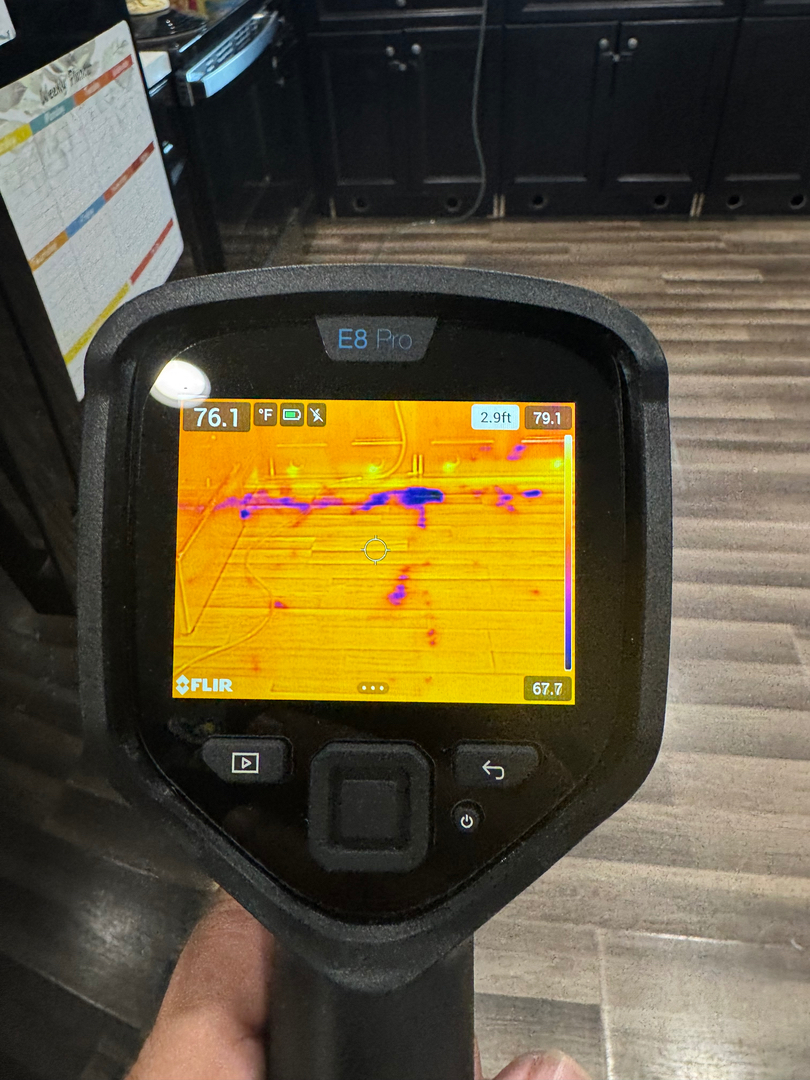
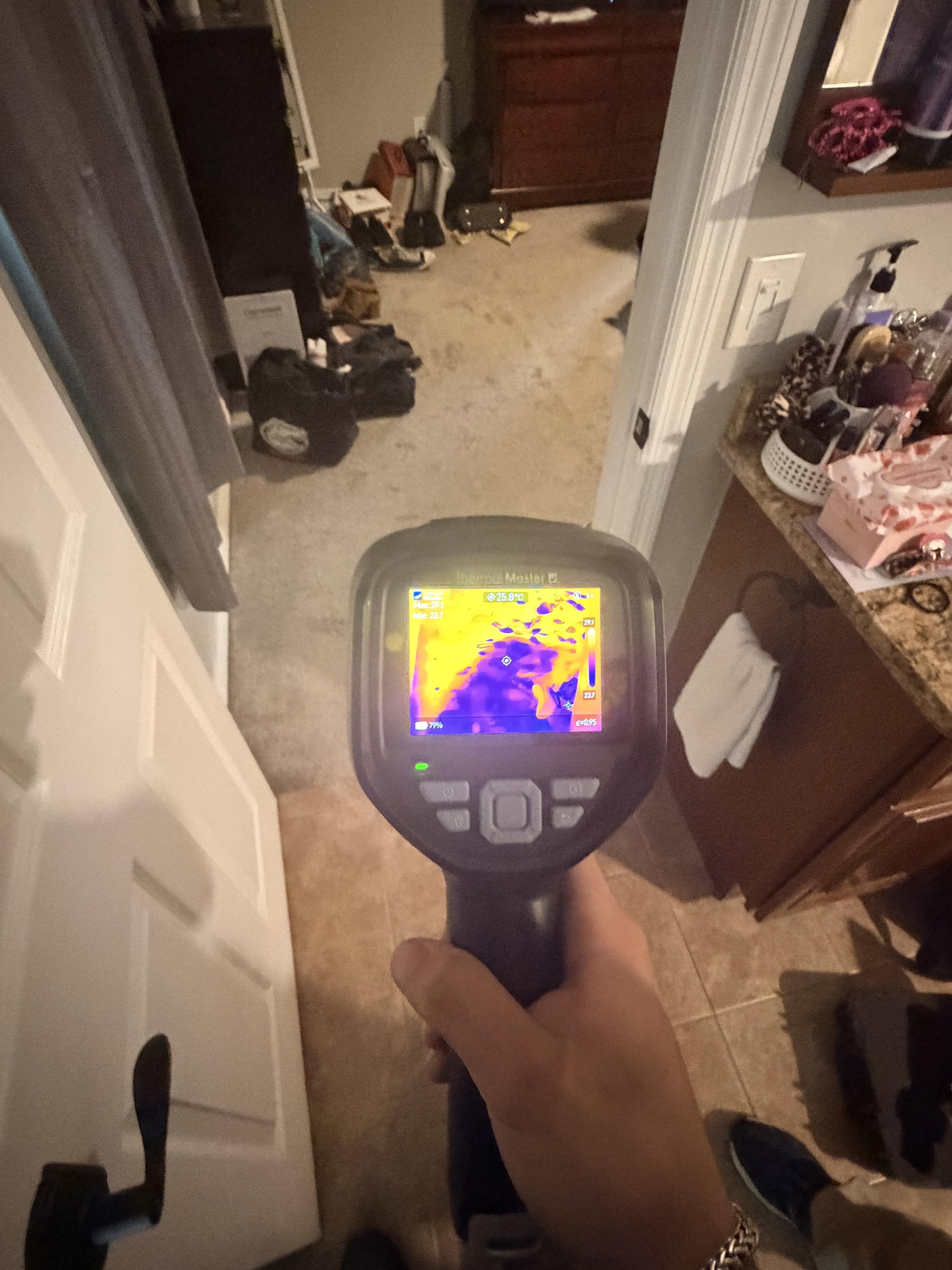
Advanced tools like moisture mapping and thermal imaging can identify hidden moisture. These technologies allow you to see behind walls and under floors without intrusive methods. By pinpointing areas of concern, you can address moisture issues before they escalate into mold problems.
Professional Mold Remediation Solutions
When mold becomes a problem, professional intervention is often necessary. Here’s how experts can help ensure your home is mold-free.
Comprehensive Mold Testing and Removal
Professional mold remediation starts with thorough testing to determine mold type and extent. Experts then remove mold using specialized techniques, ensuring it’s completely eradicated. This process not only removes visible mold but also addresses spores in the air.
Structural Drying and Dehumidification
After mold removal, structural drying is crucial. This step eliminates residual moisture, preventing future mold growth. Professionals use industrial-grade dehumidifiers and air movers to ensure your home is dry and safe.
Ensuring Indoor Air Quality and Safety
Finally, maintaining indoor air quality is essential. Professionals use HEPA air filtration systems to remove mold spores from the air. Regular air quality checks ensure that your home remains a healthy environment for you and your family.
Frequently Asked Questions
What is the ideal indoor humidity level to prevent mold?
The ideal indoor humidity level to prevent mold is below 60%. Using dehumidifiers and proper ventilation can help maintain this level.
How can I find hidden moisture in my home?
You can find hidden moisture by checking for leaks, using moisture meters, and employing thermal imaging to detect damp spots behind walls and floors.
What are the health effects of mold exposure?
Mold exposure can cause respiratory issues, allergies, and asthma attacks, particularly in children, the elderly, and those with compromised immune systems.
What tools do professionals use for mold remediation?
Professionals use moisture mapping, thermal imaging, HEPA air filtration, and industrial-grade dehumidifiers to effectively remediate mold and ensure indoor air quality.
How often should I check for mold in my home?
It’s advisable to check for mold and moisture regularly, especially after heavy rains or if you notice a musty odor, condensation, or other signs of moisture. Regular inspections can prevent mold from becoming a serious issue.