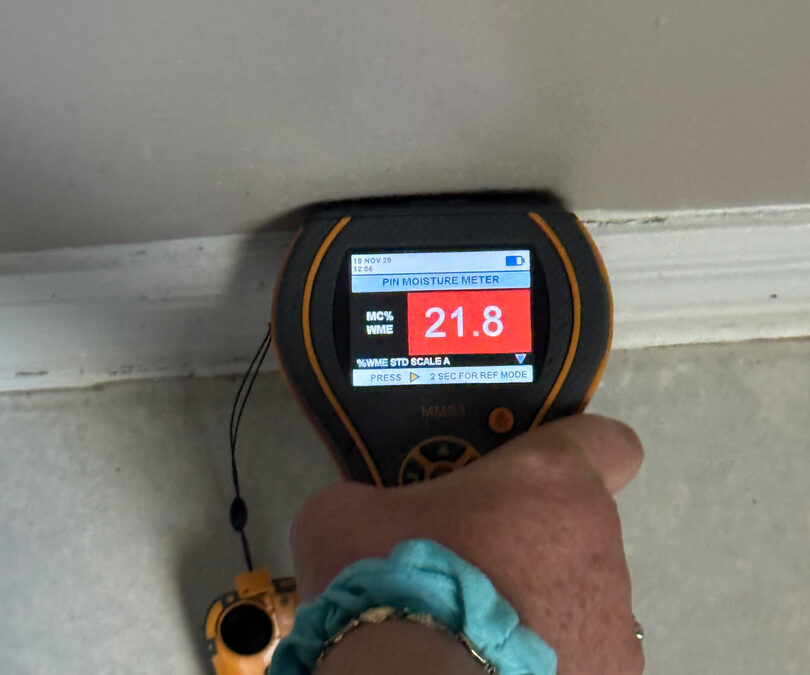
Florida humidity fuels hidden moisture in your home, creating the perfect conditions for mold growth Florida property owners dread. When relative humidity stays above 60%, moisture can settle behind walls and under floors, quietly damaging your structure and indoor air quality. In this post, you’ll learn how to spot these risks early and why expert moisture mapping and IICRC-certified mold remediation are essential to protect your home and health.
Understanding Florida Humidity
Florida’s tropical climate often leads to high humidity levels, a common culprit of hidden moisture problems in homes. Let’s explore how this affects indoor environments and the challenges it brings for mold growth.
Impact on Hidden Moisture
When humidity exceeds 60%, moisture can creep into unseen areas like behind walls or under floors. This hidden moisture is not just a structural threat but poses a risk to indoor air quality. Most people assume that unseen means harmless, but hidden dampness can lead to serious issues. Moisture mapping helps identify these hidden pockets of water, preventing further damage. Ignoring these signs can result in costly repairs down the line.
Mold Growth Challenges
High humidity provides an ideal setting for mold spores to thrive. Mold can start settling into your home within 24 to 48 hours of water exposure, quickly becoming a health hazard. Many believe molds only grow in visible locations, but they often spread where you can’t see them. This can result in respiratory issues for those living in the affected space. Addressing mold growth early with proper mold remediation Florida techniques is crucial to maintaining a healthy home environment.
Risks of Mold Growth in Florida
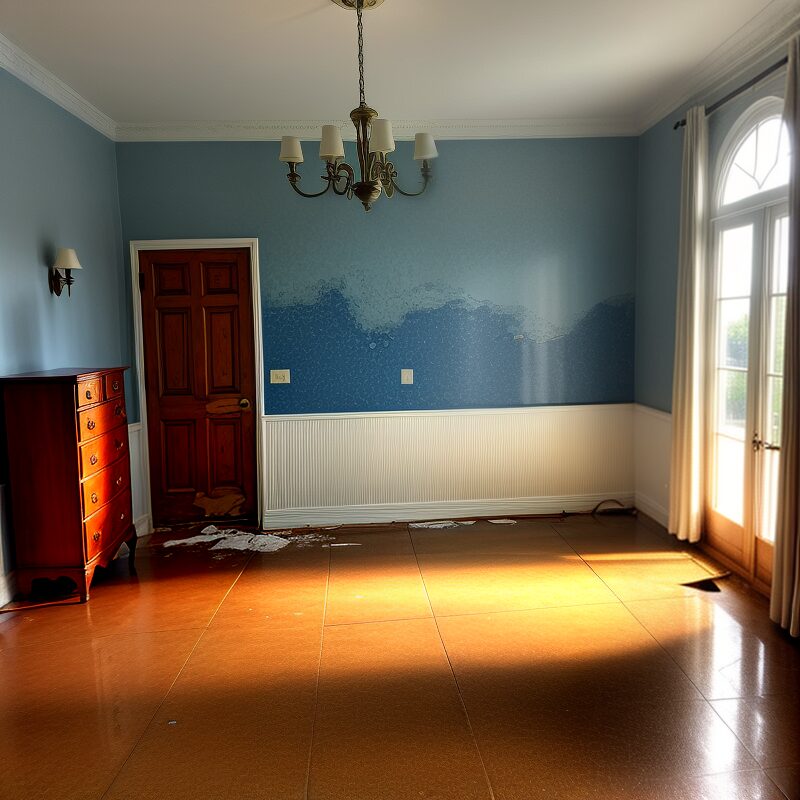
Mold growth in Florida isn’t just an inconvenience; it presents significant health and structural concerns. Understanding these risks and how they relate to hidden moisture is essential for protecting your property.
Health and Structural Concerns
Mold exposure can lead to respiratory problems and exacerbate asthma. This is particularly concerning for families with young children or elderly members. Structurally, mold can weaken walls, ceilings, and floors, leading to expensive repairs. Many don’t realize the full extent of damage mold can cause until it’s too late. Ensuring your home is free from mold through regular inspections is a wise investment in your health and property.
Hidden Moisture Detection
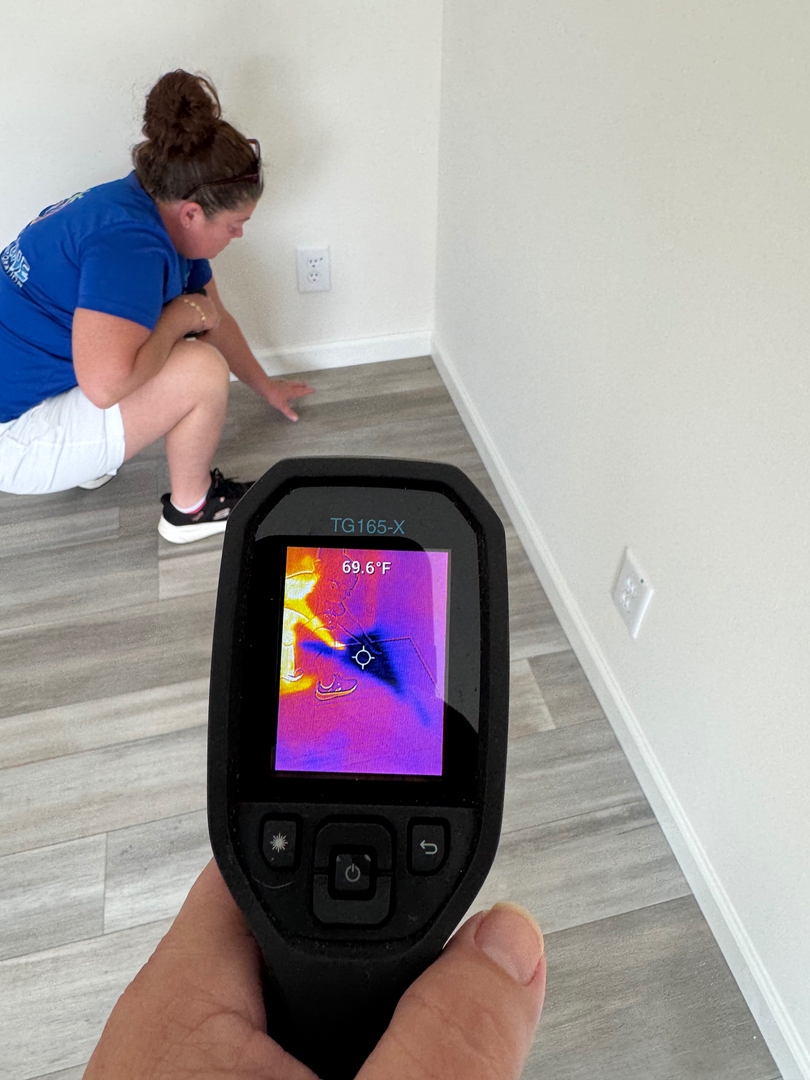
Detecting hidden moisture requires specialized equipment and expertise. Thermal imaging inspections can pinpoint moisture without invasive procedures, saving time and money. This technology challenges the assumption that detecting moisture requires tearing your home apart. Regular checks can help catch these issues early, before they escalate into major problems.
Prevention and Remediation Strategies
Preventing mold starts with controlling humidity and knowing when to call in the professionals for remediation. Let’s dive into effective strategies to keep your home safe from mold.
Effective Humidity Control
Controlling indoor humidity levels is your first line of defense against mold. Devices like LGR dehumidifiers can help maintain optimal humidity, preventing moisture buildup. This might seem like a small step, but it significantly reduces the risk of mold formation. Regularly checking and maintaining these devices ensures your home remains a mold-free zone.
Professional Mold Remediation Services
When mold does appear, professional services are essential for safe removal. IICRC-certified experts use advanced techniques to ensure complete mold eradication. It’s a common misconception that DIY methods can effectively remove mold; however, they often leave spores behind. Hiring professionals ensures that your home is thoroughly cleaned and your air quality restored.
Frequently Asked Questions
What is the ideal indoor humidity level to prevent mold?
Keeping indoor humidity below 60% is recommended to prevent mold growth. Using dehumidifiers and proper ventilation helps maintain this level.
How fast can mold grow in Florida’s climate?
Mold can start to grow within 24 to 48 hours after exposure to moisture, especially in Florida’s humid climate. Fast action is crucial.
Are DIY mold removal methods effective?
DIY methods often fail to completely remove mold, leaving spores behind. Professional remediation ensures thorough removal and prevents recurrence.
By understanding the impact of Florida’s humidity on your home and taking proactive steps, you can protect your property from the hidden threat of mold.