
Florida humidity creates more than just discomfort—it speeds up hidden moisture problems that quietly damage your property. High relative humidity pushes moisture into walls, floors, and ceilings, often without obvious signs until mold takes hold or structural issues appear. In this post, you’ll learn how Florida’s unique climate drives these risks and what steps you can take to detect, prevent, and restore moisture damage before it worsens.
Understanding Florida Humidity
Florida’s humidity is more than a sticky situation; it’s a catalyst for hidden moisture problems. Let’s explore the science behind this.
The Science of Relative Humidity
Relative humidity (RH) measures the amount of moisture in the air. In Florida, consistently high RH can lead to moisture buildup inside homes. When RH exceeds 60%, surfaces absorb more moisture. This process creates a perfect environment for mold and mildew. With RH levels often surpassing 70%, Florida homes are at constant risk. This makes controlling indoor humidity crucial.
Impact of Dew Point and Wicking
The dew point is the temperature at which air becomes saturated with moisture and dew forms. In Florida, the high dew point means surfaces can become damp, even indoors. This dampness can wick into walls and floors, drawing moisture upwards from the ground. Over time, this can cause structural issues and promote mold growth. So, understanding dew point helps in managing indoor moisture levels effectively.
Capillary Action and Building Envelope
Capillary action refers to moisture moving through porous materials. Florida’s climate exacerbates this effect, where moisture creeps through concrete, wood, and other building materials. The building envelope, which includes walls and roofs, must be sealed correctly to prevent this. Proper sealing and maintenance can protect your home from moisture-related damage.
Detecting Hidden Moisture Problems
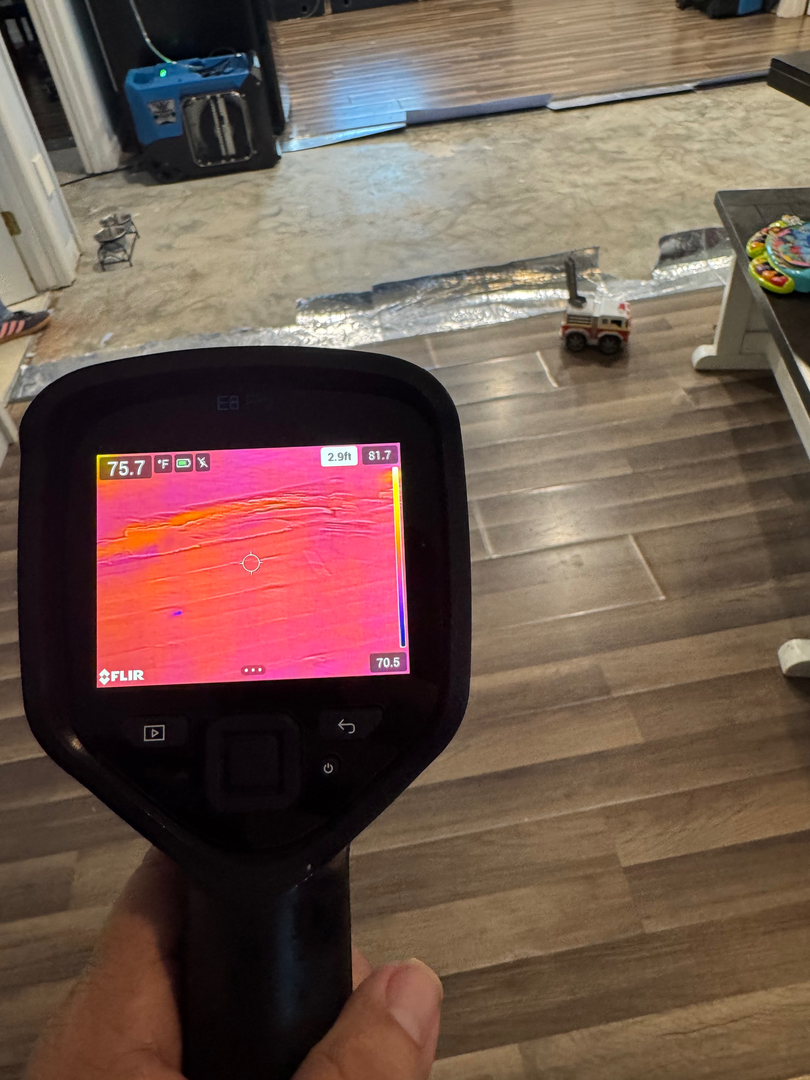
Hidden moisture can cause significant damage if not detected early. Here’s how you can spot these issues before they escalate.
Moisture Mapping and Thermal Imaging
Moisture mapping and thermal imaging are key tools in identifying hidden moisture problems. These technologies detect moisture behind walls and under floors that are invisible to the naked eye. By creating a visual map of moisture levels, these tools help pinpoint problem areas, allowing for targeted interventions. Regular checks with these tools can save significant repair costs down the line.
Signs of Mold Growth and Musty Odors
Mold growth often begins in hidden areas, making it hard to detect early. Musty odors are a telltale sign of mold presence. Discoloration on walls or ceilings, even if minor, can also indicate mold. Other signs include peeling paint or wallpaper, which suggests moisture retention. Swift action upon noticing these signs can prevent extensive mold damage.
Importance of Indoor Air Quality
Good indoor air quality is essential for a healthy living environment. Poor air quality can result from hidden moisture and mold growth, leading to health issues like allergies and asthma. Regular ventilation, using air purifiers, and maintaining HVAC systems can enhance indoor air quality. Monitoring humidity levels and ensuring they stay below 60% is critical.
Preventing and Restoring Moisture Damage
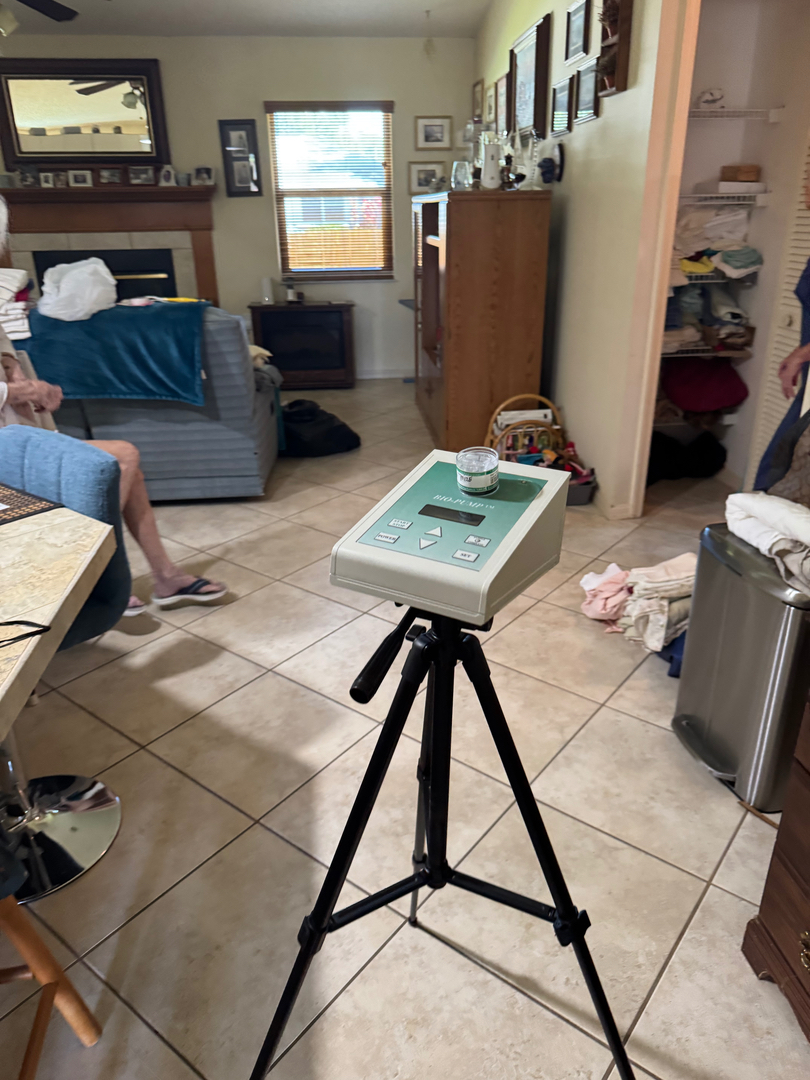
Proactive steps can prevent moisture damage, while effective restoration can mitigate existing issues.
Step-by-Step Structural Drying
Structural drying is crucial after identifying moisture problems. Here’s how it works:
-
Assessment: Identify all affected areas.
-
Water Extraction: Remove standing water immediately.
-
Drying: Use industrial fans and dehumidifiers to dry out the structure.
This method ensures that moisture is thoroughly eliminated, preventing future mold growth.
Effective Dehumidification and HVAC Control
Dehumidification is key in controlling indoor moisture. Using a dehumidifier can keep relative humidity in check, especially in moist climates like Florida. Additionally, HVAC systems should be regularly maintained to ensure they effectively control humidity. Properly functioning systems can prevent moisture buildup and improve air quality.
Emergency Water Extraction and Mold Remediation
In case of water intrusion, immediate response is vital. Emergency water extraction removes excess water quickly, reducing the risk of mold. Mold remediation involves identifying and removing mold at its source, ensuring it doesn’t return. This process is essential for safeguarding your home and health from mold-related issues.
Frequently Asked Questions
What is relative humidity and why is it important?
Relative humidity measures how much moisture air holds at a given temperature. It’s crucial because high levels can lead to moisture buildup inside homes, increasing mold risk.
How can I detect hidden moisture in my home?
Using moisture mapping and thermal imaging can reveal hidden moisture in walls and floors. These tools provide a visual map of moisture levels, helping you identify problem areas early.
What steps should I take if I find mold in my home?
If you discover mold, it’s important to act quickly. Engage in mold remediation by removing the mold and addressing the moisture source to prevent future growth.