Florida humidity is more than just sticky discomfort—it quietly worsens water damage, worsens mold growth, and degrades indoor air quality in ways many homeowners don’t notice until it’s too late. Your walls and floors might be hiding moisture that fuels black mold and structural issues, threatening your family’s health and your property’s value. This guide breaks down how Florida humidity drives these problems and what you can do right now to protect your home with proven steps and expert restoration support.
Understanding Florida Humidity
When you think of Florida, you might picture sunny skies and warm beaches. But the moisture in the air can also lead to sneaky problems in your home. Humidity isn’t just about feeling sticky; it plays a big role in water damage and mold growth. Let’s unravel how this works and what it means for your living space.
Impact on Water Damage
Humidity makes water damage worse by keeping moisture trapped where it doesn’t belong. This can happen in places you don’t see, like behind your walls or under your flooring. When it’s humid, any small leak or spill can turn into a bigger problem because the water doesn’t dry up quickly. Imagine if your dishwasher leaks: in Florida’s humid air, that water can linger and quietly cause damage before you notice.
Even without visible signs, humidity can lead to increased drywall moisture content. This weakens your walls and makes them more prone to problems like cracks and structural issues. It’s important to watch out for changes, like paint bubbling or a musty smell, which can indicate hidden water damage. By catching these signs early, you can prevent more serious issues down the line.
Mold Risk Factors
Mold loves moisture, and Florida’s air provides plenty of it. Mold spores are always around, but they need damp conditions to grow. With high humidity, especially inside your home, mold can start thriving within 24 to 48 hours after water exposure. This rapid growth can quickly turn a small issue into a big problem, affecting both your home and health.
Mold not only damages surfaces, but it can also impact indoor air quality. It releases tiny particles that can trigger allergies and asthma, especially in sensitive individuals. The key is to control moisture levels, as this stops mold before it starts. If you’ve had water damage or notice a persistent damp smell, it’s vital to act fast to address the situation.
Improving Indoor Air Quality
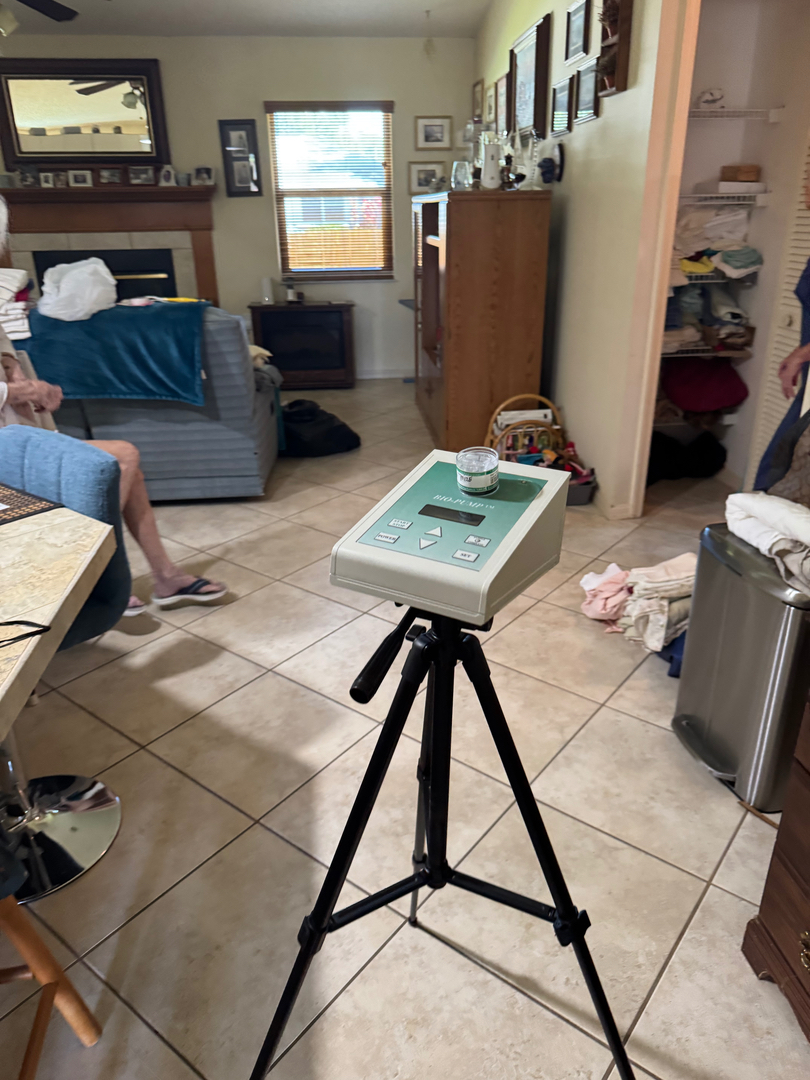
You might not think much about the air inside your home, but it plays a critical role in your health and comfort. Improving indoor air quality is essential, especially in a humid climate like Florida’s. Let’s explore some steps to keep your air clean and mold-free.
Effective Mold Prevention
To keep mold at bay, tackle moisture first. Regular checks for leaks and prompt repairs are crucial. Start by inspecting common trouble spots like bathrooms and kitchens. Fixing leaks fast is one of the simplest ways to prevent mold. Use exhaust fans to reduce humidity in these areas, making it harder for mold to thrive.
Maintaining ventilation is another crucial step. Open windows when possible to allow fresh air to circulate. A dehumidifier can also help keep humidity levels in check. Aim to keep indoor moisture levels below 60% relative humidity (RH) to reduce the chances of mold taking hold.
Role of HEPA Air Scrubbers
HEPA air scrubbers can be your secret weapon in improving air quality. These devices capture and remove particles from the air, including mold spores. They are especially useful during mold remediation to ensure that the air remains clean and safe while work is being done.
Using a HEPA air scrubber during restoration not only helps remove mold spores but also captures dust and other allergens. This is important for maintaining a healthy environment, particularly if anyone in your home has respiratory issues. Investing in quality air cleaning can offer peace of mind and better air for everyone.
Professional Restoration Solutions
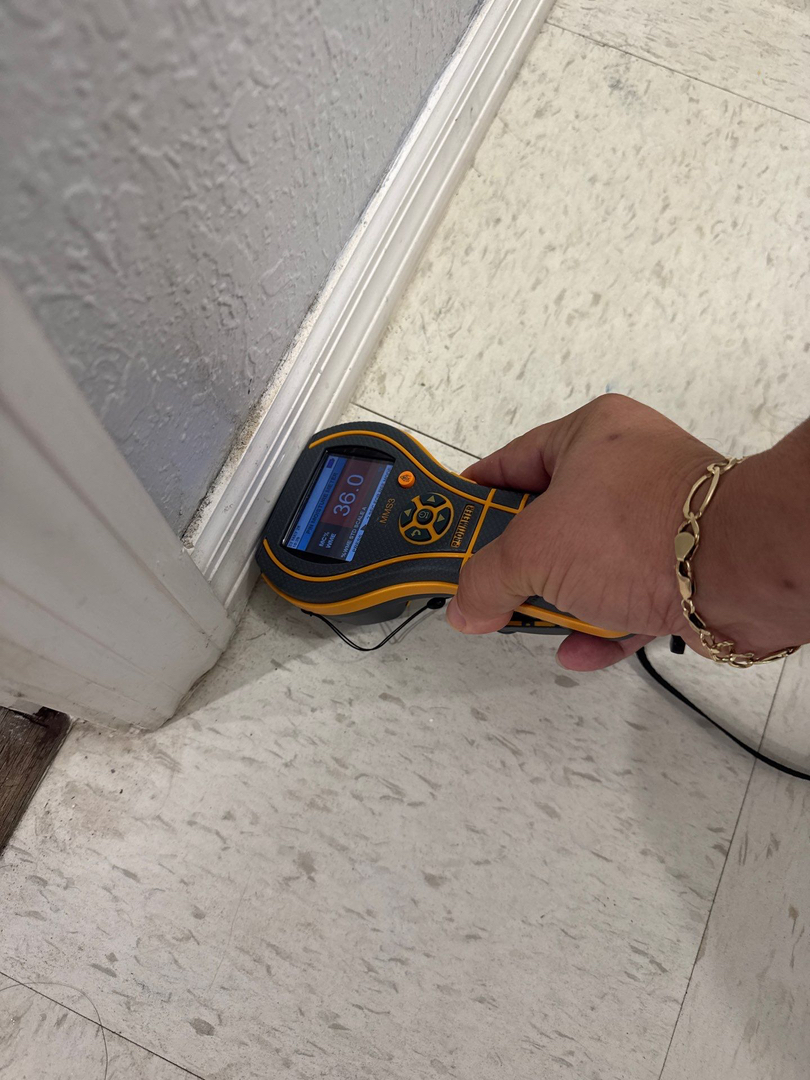
When humidity and water damage become too much to handle alone, professional help is essential. Restoration experts bring the tools and knowledge needed to tackle these challenges effectively. Let’s look at some advanced solutions they use to protect your home.
Comprehensive Moisture Mapping
Experts use moisture mapping to find hidden water in your home. This process involves using special tools like thermal imaging to detect moisture behind walls and under floors. By identifying these areas early, they can prevent further damage and mold growth.
Moisture mapping provides a clear picture of where water has seeped into your home. This helps restoration professionals focus their efforts where it’s needed most, ensuring that all moisture is addressed. Proper moisture mapping is a critical step in a thorough restoration process.
Utilizing Commercial Dehumidifiers
Commercial dehumidifiers are powerful tools that help restore homes after water damage. They pull excess moisture out of the air and structures, accelerating the drying process. This is crucial in Florida, where everyday humidity can slow down natural drying.
These machines are much stronger than household dehumidifiers, making them ideal for more severe damage situations. By reducing humidity levels quickly, commercial dehumidifiers help prevent mold from taking hold and spreading. This ensures a safer and healthier living environment for you and your family.
Frequently Asked Questions
Why is Florida’s humidity a problem for water damage?
Florida’s humidity keeps moisture lingering, which can worsen water damage. This environment allows water to stay trapped in walls or under floors, leading to bigger issues over time.
How quickly can mold grow in humid conditions?
In humid conditions like Florida’s, mold can start growing within 24 to 48 hours after water exposure. Prompt action is crucial to prevent mold from becoming a serious problem.
What are HEPA air scrubbers, and how do they help?
HEPA air scrubbers remove particles from the air, including mold spores and allergens. They are especially useful during mold remediation to keep the air clean and safe.
How does moisture mapping work in restoration?
Moisture mapping uses tools like thermal imaging to find hidden moisture in your home. This helps professionals target areas that need attention, preventing further damage and mold growth.
Are commercial dehumidifiers different from home dehumidifiers?
Yes, commercial dehumidifiers are more powerful and designed for severe water damage cases. They remove moisture more efficiently, helping to dry out spaces faster and prevent mold.