
First Steps After Fire Damage: Act Fast to Minimize Loss
Fire damage can escalate quickly, turning your home into a hazard if you don’t act right away. Taking immediate fire response steps is crucial to limit destruction and start effective fire damage restoration. This guide walks you through the first actions to protect your property and begin smoke and soot removal, so you can regain control and safety without delay. Learn more about the essential steps here.
Immediate Fire Response Steps
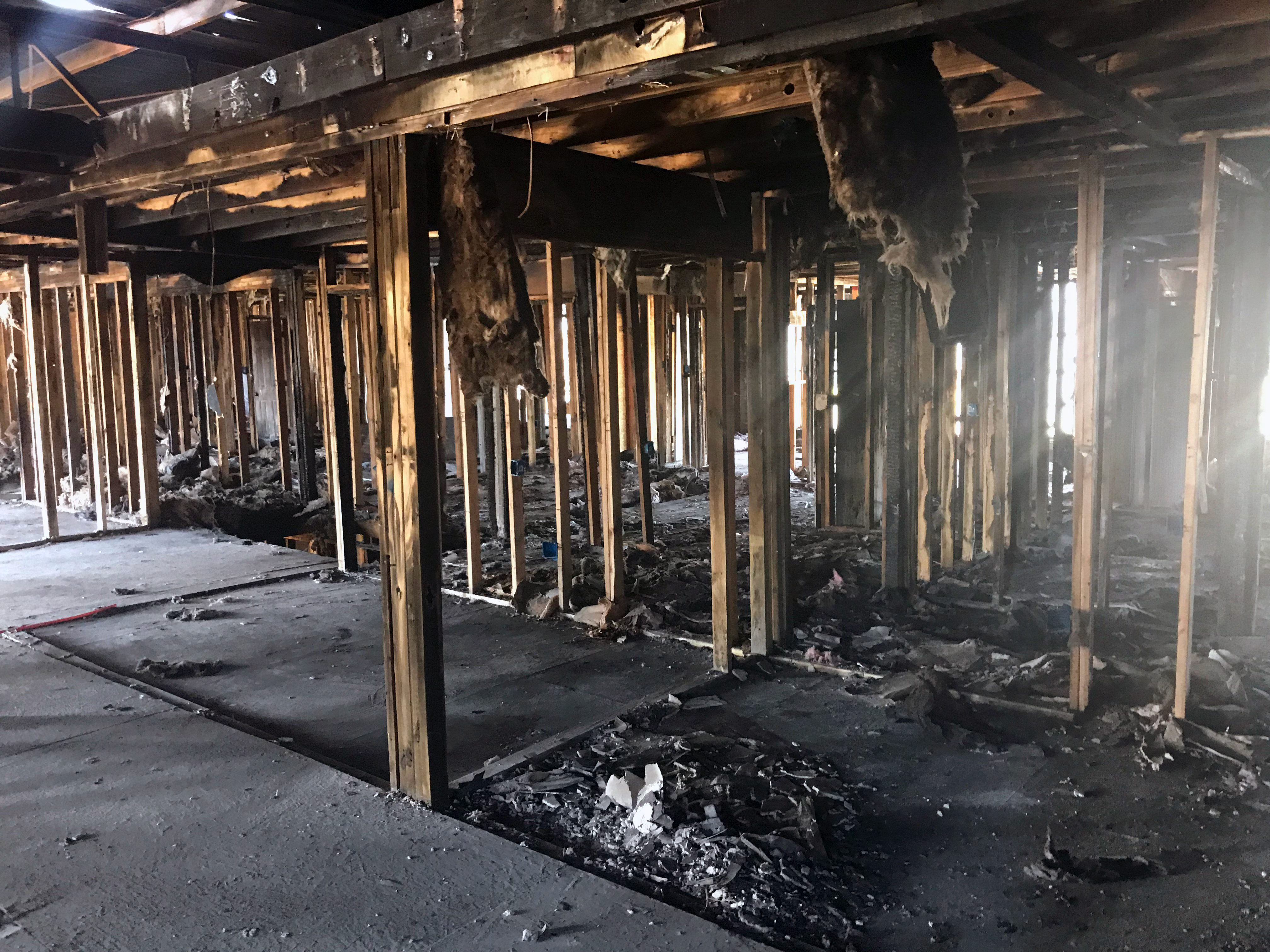
Taking quick action after a fire can make a big difference in limiting the damage to your home. Here are some critical steps to get you started on the road to recovery.
Assess Safety First
Your safety is the top priority after a fire. Begin by checking if it’s safe to enter your home. Look for signs of structural damage, like sagging ceilings or floors. If you suspect any danger, wait for professionals to inspect the area. Remember, your well-being matters most before addressing any property damage.
Contact Emergency Services
Once you know it’s safe to proceed, contact local emergency services. They can help ensure the fire is completely out and offer guidance on what to do next. Firefighters have expertise in spotting hidden hazards, like smoldering spots, that could reignite if left unchecked. Their presence brings peace of mind that the situation is under control.
Document Damage for Insurance
Before touching anything, take photos or videos of all affected areas. Clear documentation helps with insurance claims, making it easier to get the support you need for repairs. Focus on capturing everything, from large items to small belongings. This thorough approach simplifies the claims process, making it less stressful for you.
Smoke and Soot Removal
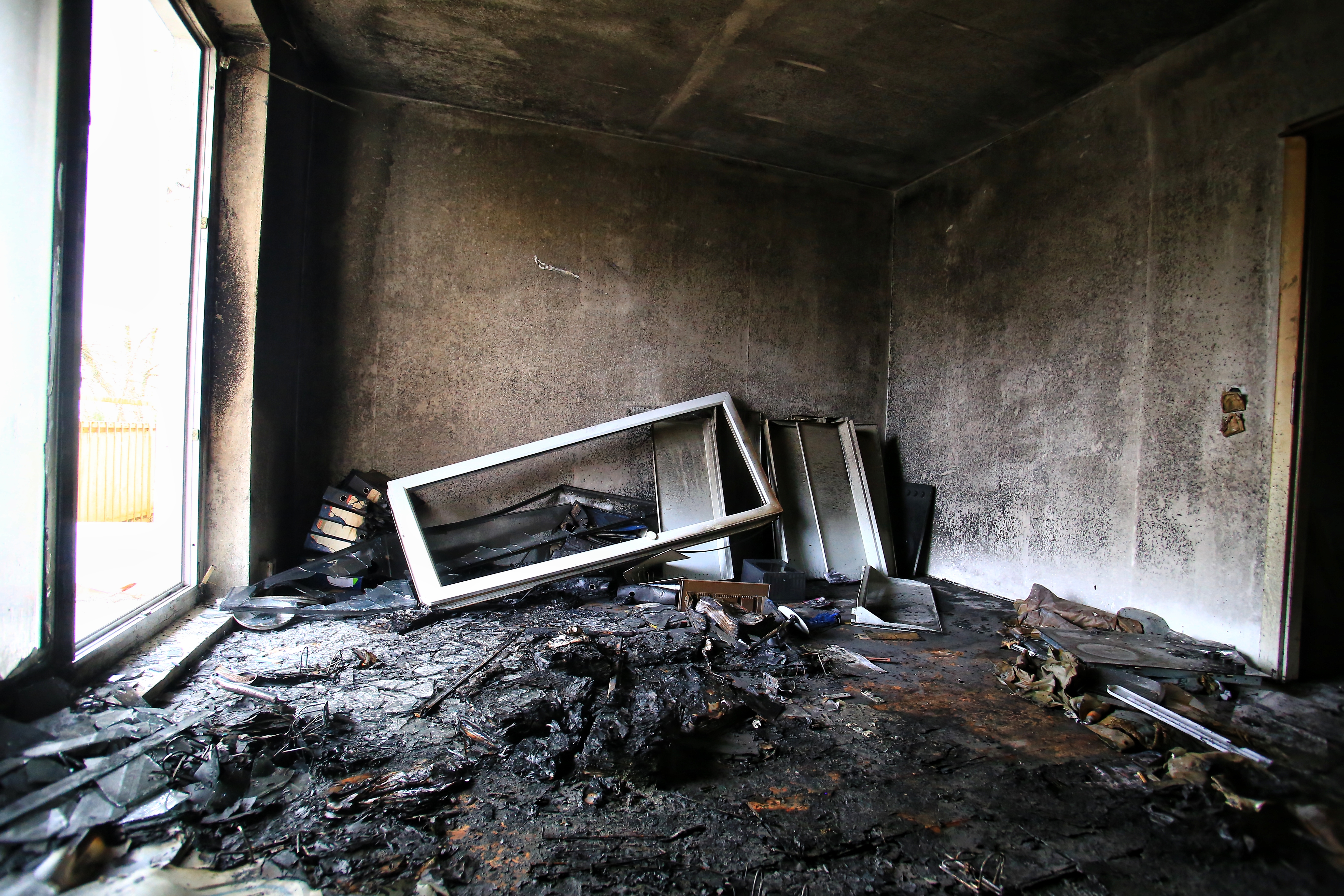
Once you have handled immediate safety concerns and documentation, it’s time to address the aftermath of smoke and soot damage.
Understanding Smoke Damage
Smoke can penetrate more than just your belongings; it affects walls, ceilings, and even the air quality. This type of damage isn’t always visible immediately. Over time, it can cause discoloration and odors that are tough to remove. Knowing the hidden effects of smoke helps you better plan your restoration efforts.
Effective Soot Cleaning Techniques
Soot is a sticky residue that coats surfaces after a fire, and it requires special cleaning techniques. Start by vacuuming loose soot using a high-efficiency vacuum. Avoid wiping it, as this can smear the soot, making it harder to clean. Using appropriate cleaning agents designed to neutralize soot can restore surfaces more effectively. This approach saves time and effort down the road.
Property Restoration Process

Once initial clean-up steps are underway, focus on restoring your property’s structure and integrity.
Structural Damage Assessment
Evaluating the structural damage is crucial to understanding the full scope of repairs needed. A professional assessment identifies whether walls, roofs, or floors need replacing. Knowing exactly what needs fixing helps prioritize tasks, ensuring no hidden issues disrupt your recovery.
Engaging Professional Restoration Services
Bringing in expert restoration services ensures your home is brought back to its pre-fire condition. Professionals have the tools and knowledge to handle complex repairs efficiently. Their experience speeds up the recovery process, allowing you to return home sooner. The sooner you engage their services, the quicker you regain normalcy in your life.
In conclusion, acting swiftly and strategically after a fire can significantly reduce the impact on your home and wallet. By following these steps, you take control of the situation, minimizing stress and maximizing recovery efforts.
https://allinonecleaningrestoration.com/blog/