
Water, mold, and fire damage leave more than visible scars—they release hidden threats into your indoor air. In Florida’s humid climate, these hazards worsen quickly, risking your health and property value. Indoor air quality testing Florida offers a clear picture of what’s lurking, guiding precise cleanup and confirming your space is safe. Read on to learn why scheduling testing within 24–48 hours is critical for protecting your home or business.
Why Indoor Air Quality Testing is Crucial
When unexpected damage strikes your home, ensuring the air you breathe remains safe is vital. Indoor air quality testing in Florida provides a snapshot of hidden dangers, helping you make informed decisions.
Health Risks After Water Damage
Water damage can turn your home into a breeding ground for bacteria. It’s not just about the visible mess. Harmful particles can linger in the air, unnoticed. Respiratory issues and allergies might spike if you don’t act fast. You need to consider the invisible contaminants that water leaves behind. It’s common to think water dries and all is well, but the reality is different. The longer these particles remain, the greater the risk to your health. Indoor air quality testing Florida can pinpoint these threats quickly.
Mold Testing Essentials in Florida
Mold grows rapidly in Florida’s humid environment. Within just 24 to 48 hours after water exposure, mold can start spreading. This rapid growth poses a serious risk. Mold spores in the air can trigger asthma and other respiratory problems. Testing is crucial to identify the presence and extent of mold. Most people believe cleaning visible mold is enough, but spores travel. They hide in unexpected places. Testing ensures you address not just what you see, but also what’s lurking beyond sight.
Impact of Fire Damage on Air Quality
Fire damage impacts air quality in profound ways. Soot and smoke particles, especially PM2.5, are small but dangerous. They penetrate deep into your lungs, leading to health problems. The smell of smoke might fade, but its harmful effects linger. Many assume open windows can clear the air, but it’s not enough. VOC testing after fire incidents reveals chemicals released during the blaze that can linger long after visible damage is gone. Testing identifies these hazards, ensuring your space is truly safe.
Professional Testing and Remediation Benefits
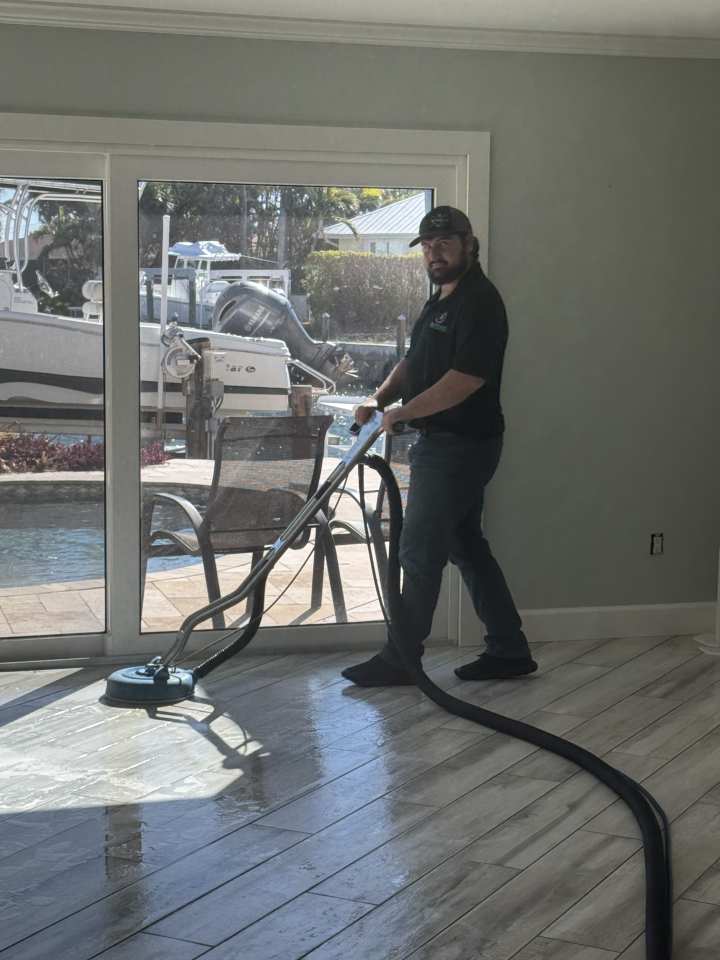
Getting professional help isn’t just about cleaning up; it’s about ensuring lasting safety and health for you and your loved ones. Relying on experts brings peace of mind.
Importance of IICRC Certified Restoration
Choosing a team with IICRC certification means you’re getting experts trained in the latest techniques. They know Florida’s unique challenges and how to tackle them. This certification ensures they follow industry standards, providing thorough and effective solutions. Most think any restoration service will do, but the right certification makes a difference in quality and safety.
Role of Spore Trap Sampling and VOC Testing
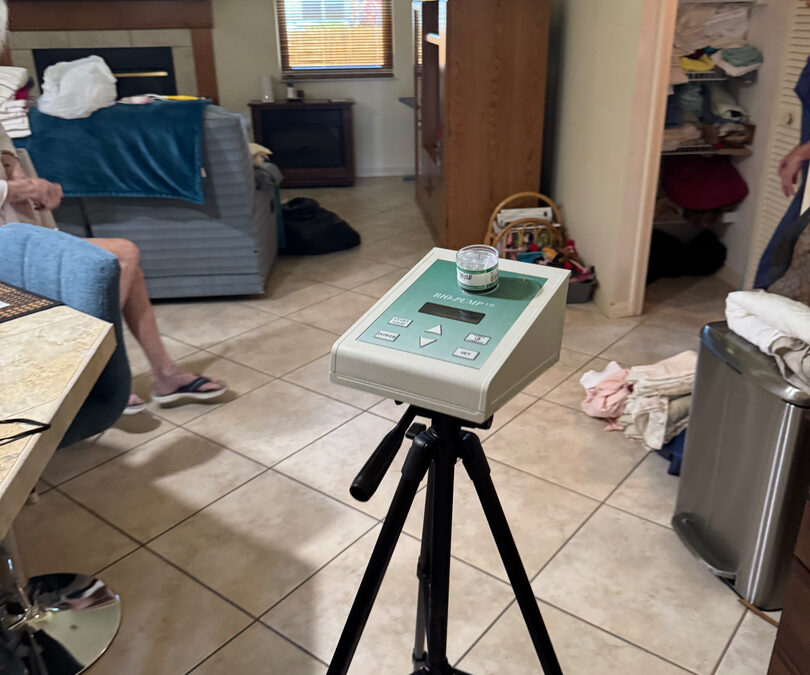
Spore trap sampling identifies mold spores not visible to the naked eye. It’s essential for understanding the full extent of mold presence in your home. VOC testing detects volatile organic compounds, crucial for assessing post-fire air quality. These methods give you an accurate picture of your indoor environment, guiding effective remediation. Many overlook detailed testing, but it’s the key to comprehensive solutions.
Engineering Controls and HEPA Filtration
Using engineering controls and HEPA filtration is pivotal in cleaning the air in your home. These tools capture tiny particles, ensuring they don’t circulate back into your living space. This step is critical in both mold and fire damage scenarios. Some think basic cleaning suffices, but advanced techniques ensure thorough purification.
Steps to Restore Safe Indoor Air
Restoring air quality involves more than just a quick clean. It requires a structured approach to ensure lasting safety.
Rapid On-Site Assessment and Documentation
The first step involves a comprehensive on-site assessment. Experts document existing damage and potential hazards. This process is not just about identifying issues but providing a roadmap for effective remediation. Without a thorough assessment, critical areas might be missed, prolonging the risks.
Moisture Mapping and Thermal Imaging
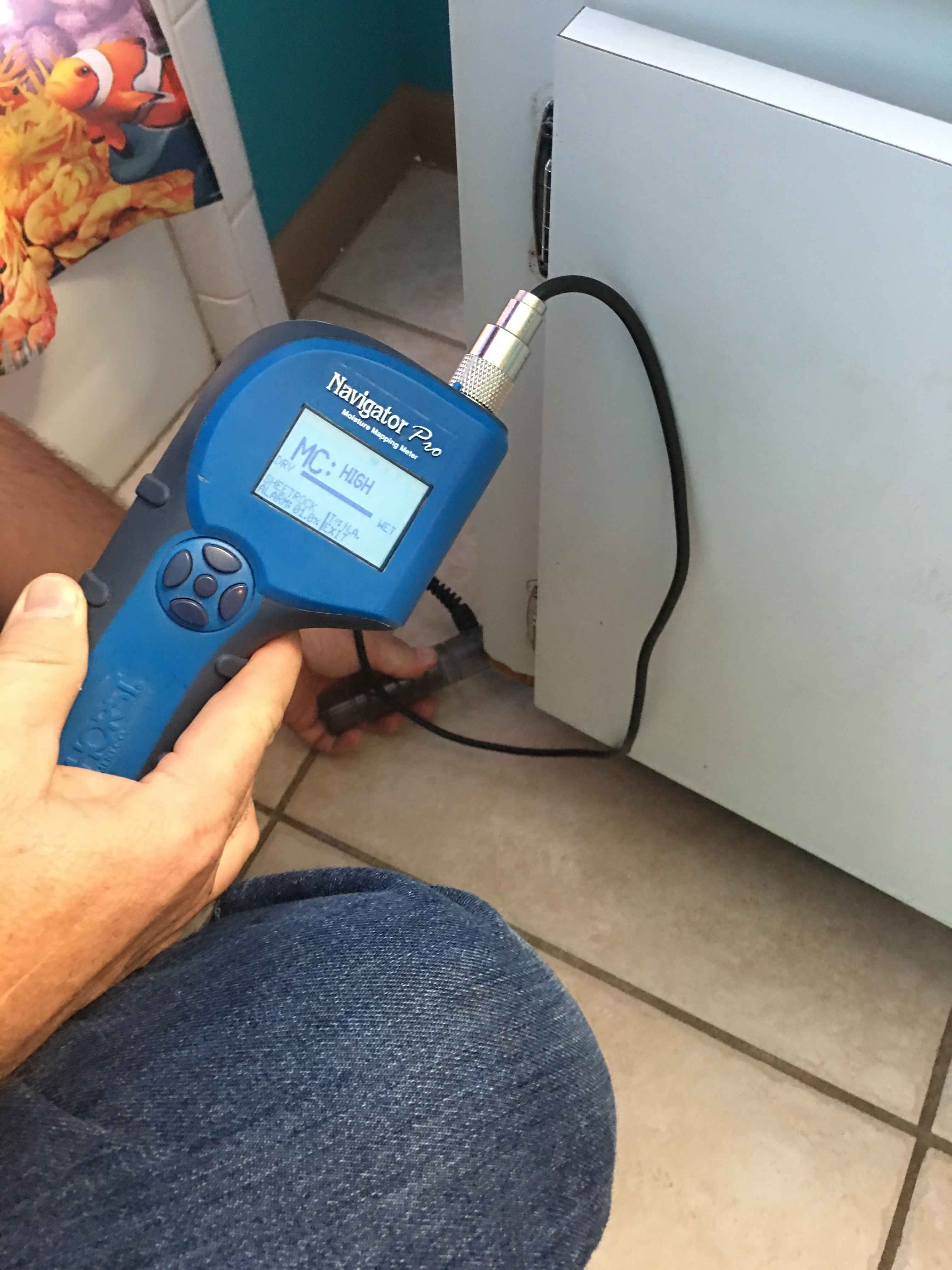
Moisture mapping and thermal imaging help identify hidden damp spots that might foster mold growth. These technologies provide precise information on affected areas, ensuring no hidden pockets of moisture remain. Many believe visible areas are the only concern, but hidden moisture can lead to persistent problems.
Post-Remediation Verification Testing
Verification testing after remediation confirms that your space is safe once again. It’s like a final seal of approval, ensuring all threats have been addressed. This step provides peace of mind, knowing that your indoor air is clean. Most people skip this step, assuming cleanup is enough, but verification is key to true safety.
By understanding the importance of each step and the benefits of professional testing and remediation, you can ensure your home or business remains a safe haven after damage. Always prioritize thorough testing and expert intervention to protect what matters most.