
A leak can seem like a simple problem, but hidden moisture after leak damage often goes unnoticed—and mold can start growing in as little as 24 to 48 hours. If you’ve spotted wet drywall signs or suspect water intrusion under cabinets, your property may need professional moisture detection before small issues turn into costly repairs. This post will guide you through 12 clear signs that call for a post-leak inspection using moisture meters, thermal imaging leak detection, and moisture mapping to protect your Florida home or business.
Recognizing Hidden Moisture After a Leak
Water leaks can be sneaky, causing damage before you even realize it. Once a leak occurs, spotting moisture quickly is crucial to prevent long-term issues. Florida’s climate can make this task even trickier, as humidity levels exacerbate the problem.
Signs of Wet Drywall
Wet drywall is more than just a cosmetic issue; it can indicate deeper water damage. If you notice sagging or discolored spots, it’s time to act. These signs often mean water has seeped behind the walls, weakening the structure and inviting mold. A simple test: tap the spot gently. A hollow sound suggests potential trouble. Soft or crumbly areas are definite red flags. Without quick action, these issues can lead to costly repairs.
Leak Under Cabinets Indicators
Leaks under cabinets often go unnoticed until significant damage occurs. You might first observe a musty smell or see water pooling around the base. Check for swelling in wood or laminate surfaces, as these are telltale signs of moisture intrusion. Opening the cabinet doors and using a flashlight can help you inspect hidden spaces. Don’t forget to feel around for damp areas with your hands. Ignoring these signs can lead to mold growth and structural damage.
Florida Humidity Challenges
Florida’s humidity is notoriously high, making moisture issues more common. Even without a visible leak, humidity can cause problems. Condensation can form on walls and windows, creating an environment ripe for mold. A dehumidifier can help manage moisture levels, but it’s not a cure-all. Regular inspections are vital, especially after heavy rainfall. Remember, mold can start to grow within 48 hours in these conditions.
Health and Structural Risks
Unchecked moisture doesn’t just damage property; it risks your health and safety. Mold prevention is key to maintaining a healthy environment. The effects of water damage can be long-lasting if not addressed promptly.
Mold Prevention Essentials
Mold thrives in damp conditions, making prevention crucial. Keeping your home dry is the first step. Use exhaust fans in bathrooms and kitchens to reduce humidity. Fix leaks immediately and dry any wet areas within 24 to 48 hours. If mold is already present, professional removal is essential. DIY solutions often fail to address root causes, leaving you at risk for regrowth.
Impact of Water Damage
Water damage impacts both the structure and value of your home. It can weaken walls, floors, and ceilings, leading to costly repairs. Beyond the physical damage, mold can cause respiratory issues and allergies. Acting quickly can minimize these risks. A professional assessment can help identify hidden problems you might miss.
Importance of IICRC Certification
Choosing a certified professional ensures quality service. The IICRC sets strict standards for water damage restoration, guaranteeing that technicians are trained and knowledgeable. This certification means they have the skills to handle complex situations safely. Don’t gamble with your property’s safety—trust certified experts for reliable results.
Professional Moisture Detection Process
Detecting moisture effectively requires the right tools and expertise. A thorough inspection can prevent small issues from becoming big problems. Here’s how professionals ensure your home stays safe and dry.
Non-Invasive Moisture Testing Tools
Modern technology allows for non-invasive tests that identify moisture without damaging walls or floors. Moisture meters and hygrometers can detect moisture levels accurately. These tools help locate wet spots hidden from view, ensuring a comprehensive assessment. This approach saves time and minimizes disruption during the inspection process.
Thermal Imaging Leak Detection
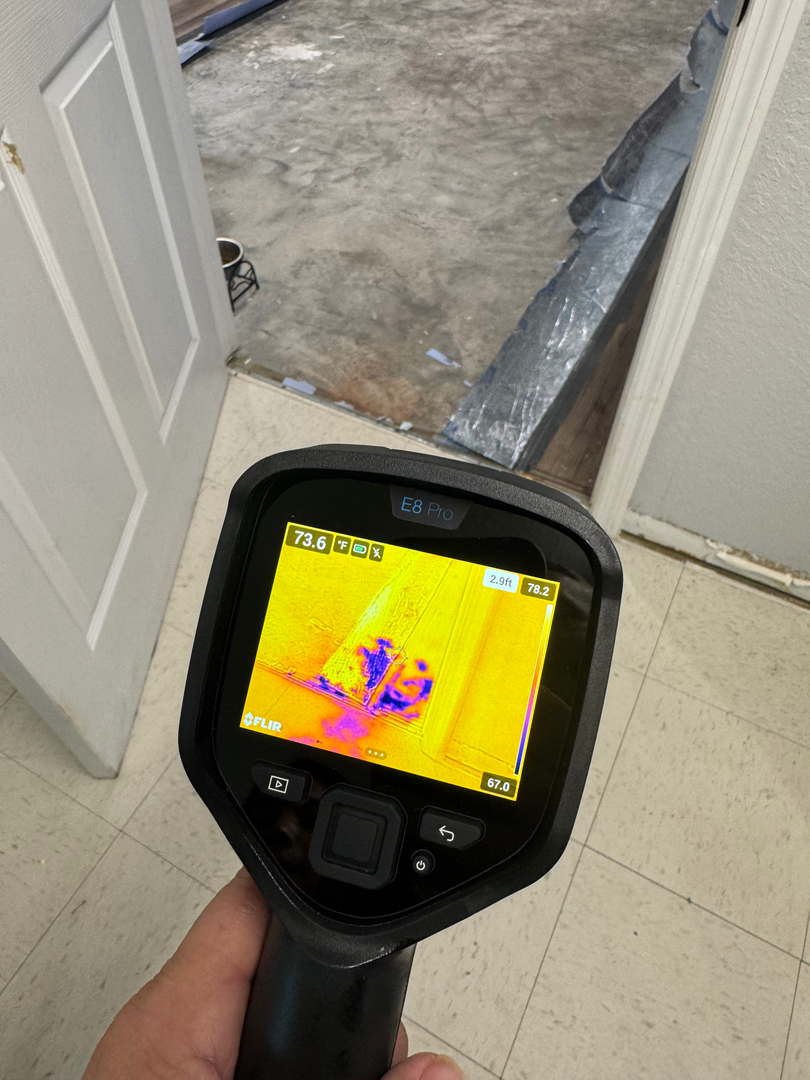
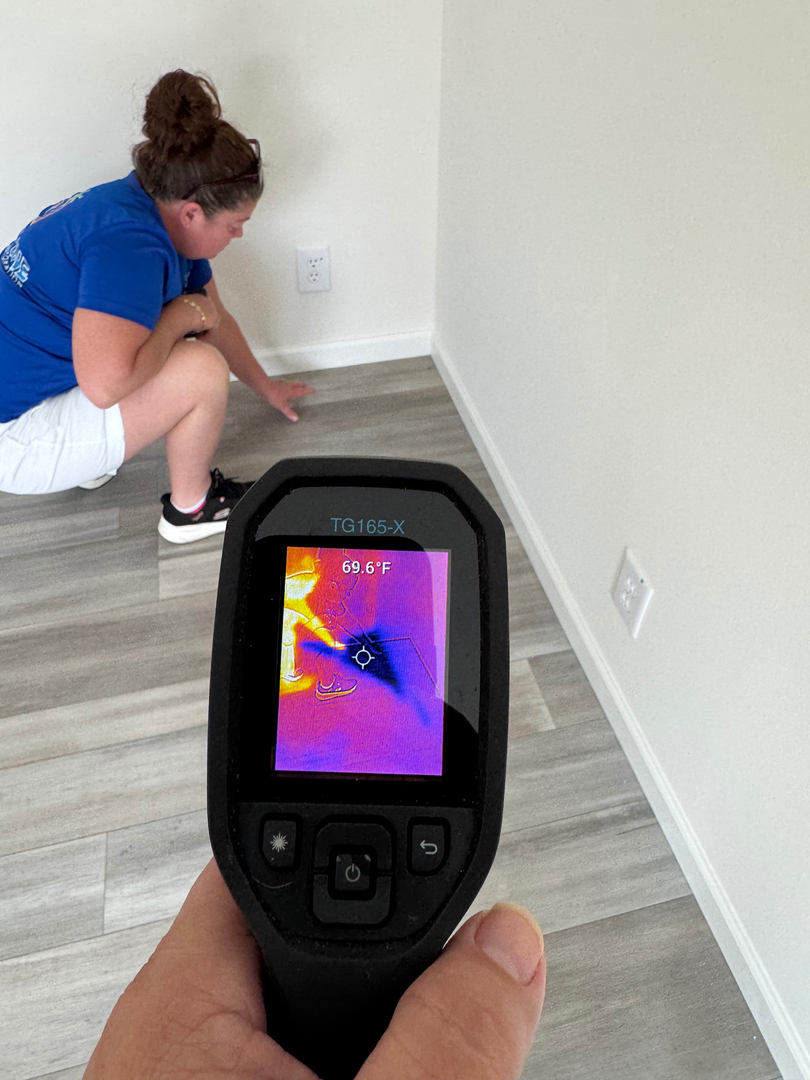
Thermal imaging cameras are powerful tools in leak detection. They can spot temperature differences caused by moisture, revealing hidden leaks behind walls or under floors. This method is precise, allowing technicians to pinpoint problem areas without guesswork. It’s a crucial step in any thorough inspection, offering peace of mind that nothing is overlooked.
Moisture Mapping and Insurance Documentation
After detection, moisture mapping outlines affected areas clearly. This map is invaluable for both restoration planning and insurance claims. It provides a detailed record of damage, ensuring you get the coverage you need. Having proper documentation can streamline the claims process, making it easier to get repairs started promptly.
With these insights, you can better protect your property from hidden water damage and its consequences. Regular inspections and prompt action are key to maintaining a safe, healthy environment. Take these steps seriously to avoid costly repairs and protect your investment.