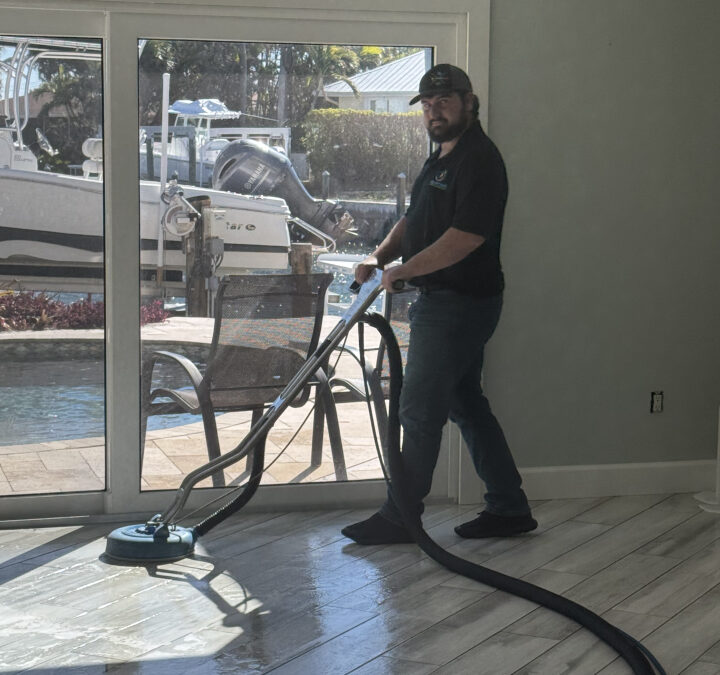
Florida Humidity vs. Damp Materials: Why Fast Drying Matters
Florida’s high humidity slows drying, increasing risks of mold, warping, and odors. Fast, professional drying using advanced equipment prevents damage, health risks, and costly repairs.
Florida’s high humidity slows drying, increasing risks of mold, warping, and odors. Fast, professional drying using advanced equipment prevents damage, health risks, and costly repairs.
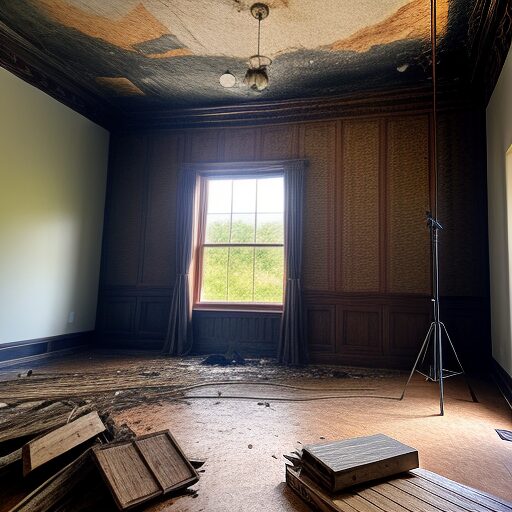
Thorough restoration inspections identify damage sources, water category/class, hidden moisture, structural risks, and contamination. Proper documentation and clear scopes aid insurance claims and smooth repairs.
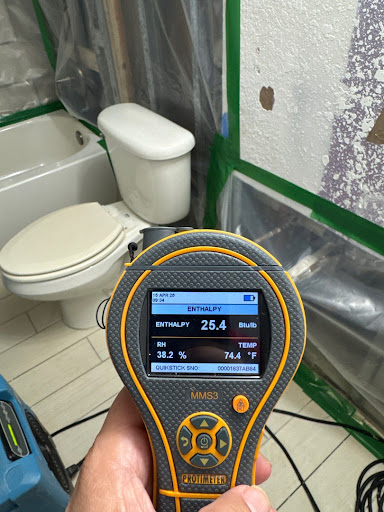
Professional mold remediation involves safety assessment, thorough inspection, tailored remediation plans, containment, air purification, source removal, drying, verification, and restoration. Each step ensures effective mold elimination and prevention, protecting health and property.
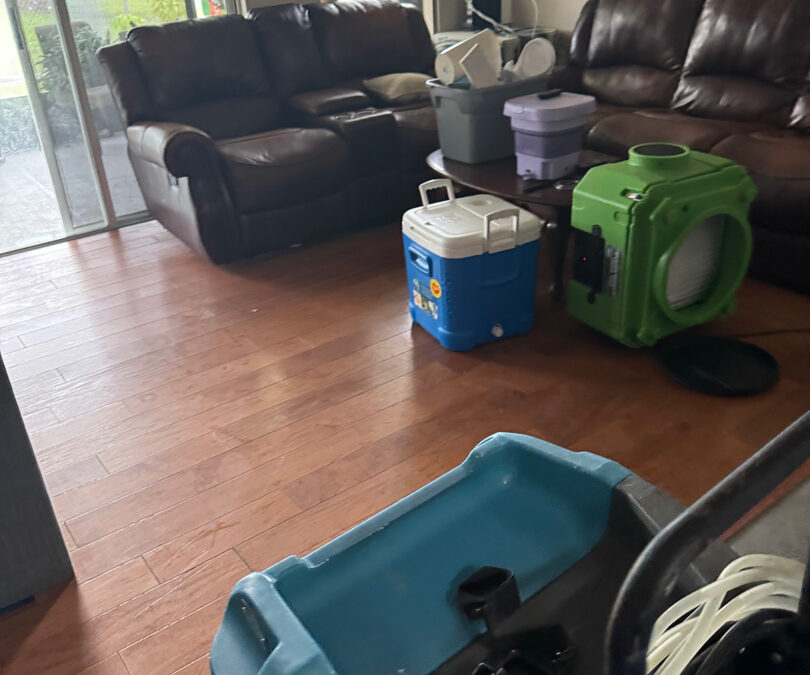
Professional mold remediation follows IICRC standards: thorough inspection, moisture mapping, lab testing, containment with negative air, HEPA filtration, moisture control, clearance testing, and tailored prevention—vital for safe removal and lasting mold prevention.
Florida property owners should act quickly on water damage by recognizing signs, using prompt water extraction, structural drying, and professional mold remediation to prevent costly repairs and health risks.