
Many restoration inspections miss critical details that lead to costly delays and unsafe repairs. When your property faces water or fire damage, a thorough pre-restoration assessment reveals hidden moisture, contamination risks, and structural concerns before work begins. Knowing exactly what the inspection should cover helps you approve repairs confidently and avoid surprise expenses. This guide breaks down the essential findings every restoration inspection in Florida must deliver.
Key Findings in Restoration Inspections
A thorough restoration inspection is essential to uncover hidden issues before starting repairs. This ensures you make informed decisions and avoid unexpected costs.
Identifying Sources of Loss
Finding the source of damage is crucial. By pinpointing where water or fire damage originates, you can address the root cause, not just the symptoms. This step often involves checking for leaks, faulty appliances, or areas prone to flooding. Understanding the origin helps prevent future issues and ensures that repairs are effective. When the source is identified, it sets the stage for a more targeted restoration process.
Assessing Water Category and Class
Determining the water category and class is vital in assessing damage severity. There are three categories: clean water, gray water, and black water. Each poses different risks and requires specific handling. Additionally, water damage is classified from one to four, indicating the extent of moisture absorption. Recognizing both the category and class helps tailor the restoration approach, ensuring safety and efficiency.
Mapping Hidden Moisture and Risks
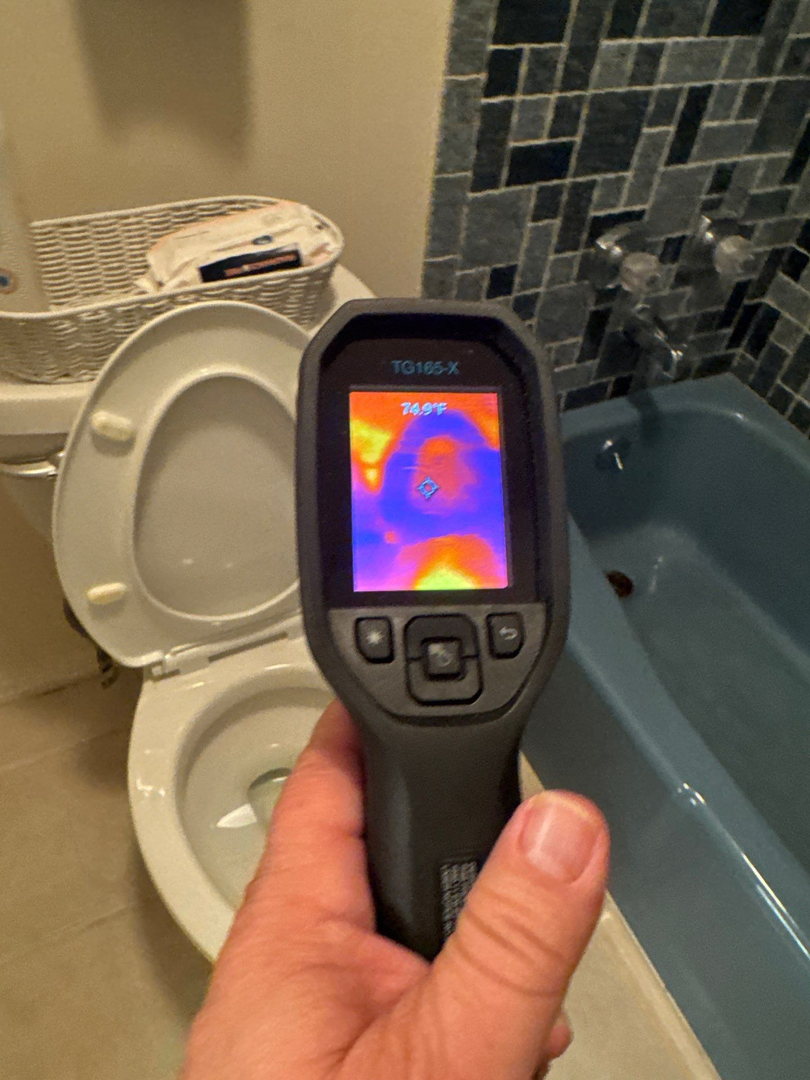
Hidden moisture can lead to significant problems like mold. Using tools like thermal imaging inspections makes it possible to detect moisture that isn’t visible to the naked eye. This step maps out damp areas that need attention, reducing the risk of mold growth and structural issues. Addressing these hidden risks early saves time and money down the line.
Evaluating Structural and Safety Concerns

Beyond immediate damage, it’s essential to look at structural integrity and safety. This ensures your property remains safe to inhabit during and after restoration.
Structural Integrity and IAQ Assessment
Assessing structural integrity involves checking the stability of walls, floors, and roofs. It’s vital for ensuring that the building remains safe to occupy. Alongside this, an indoor air quality (IAQ) assessment checks for contaminants that can affect health. This dual approach ensures both the physical and environmental safety of your property.
Contamination Levels and Safety Hazards
Identifying contamination levels is critical, especially after water or fire incidents. Contaminants can include mold spores, smoke particles, or chemicals. Recognizing these hazards allows for proper cleaning and remediation, protecting your health and property value. Safety hazards must be addressed to prevent further damage or health risks.
Documentation and Insurance Coordination
Proper documentation is key for insurance claims and planning repairs effectively.
Insurer-Ready Documentation Process
Creating documentation that meets insurer requirements is vital. This typically includes detailed reports, photographs, and moisture readings. Such thorough documentation supports your insurance claim, ensuring you receive the coverage you deserve. It also provides a clear record of the damage and necessary repairs.
Crafting a Clear Scope of Work
A well-defined scope of work outlines the entire restoration process. It includes what needs to be repaired, the methods to be used, and the timeline for completion. This clarity helps prevent misunderstandings and delays, allowing for a smooth restoration process. A clear scope ensures that all parties agree on the work’s extent and requirements.
Frequently Asked Questions
What is a restoration inspection?
A restoration inspection assesses damage from events like water or fire incidents. It identifies sources of damage, categories and classes of water, and any hidden risks to ensure a comprehensive restoration plan.
Why is it important to assess the water category and class?
Assessing the water category and class helps determine the appropriate restoration methods. Different types of water pose varying risks, so accurate classification ensures safety and effective treatment.
How does mapping hidden moisture help in restoration?
Mapping hidden moisture prevents mold growth and structural damage. By identifying and addressing damp areas early, it saves time and reduces costs associated with long-term damage.
What should be included in the documentation for insurance claims?
Insurance documentation should include detailed reports, photographs, and moisture readings. Proper documentation supports claims and ensures you receive the correct coverage.
How can a clear scope of work benefit the restoration process?
A clear scope of work defines the restoration plan, including repairs, methods, and timelines. It prevents misunderstandings and ensures that all parties are aligned on the project’s requirements.