
Mold growth often hides behind walls or under floors, quietly threatening your home’s safety and your family’s health. In Florida’s humid climate, spotting moisture risks early can save thousands in repairs and keep your indoor air quality clean. This guide walks you through Florida mold testing and mold remediation Florida methods that meet strict IICRC S520 standards, helping you make informed choices. Read on to learn how All In One Cleaning & Restoration FL stands ready 24/7 to protect your home with expert care and thorough service.
Understanding Mold Risks in Florida
Florida’s humid climate creates the perfect breeding ground for mold. You might think your home is safe, but mold can hide in unexpected places, risking your health and your property.
Spotting Moisture and Mold
Identifying moisture is crucial to preventing mold. Look out for water stains on ceilings and walls. Damp spots and musty smells are big hints. You might find mold in areas like bathrooms or basements. Even if you can’t see it, your nose can often detect a mold problem. Mold grows fast, sometimes within 24 to 48 hours. Addressing leaks and keeping your home dry is key.
Choosing Testing Methods
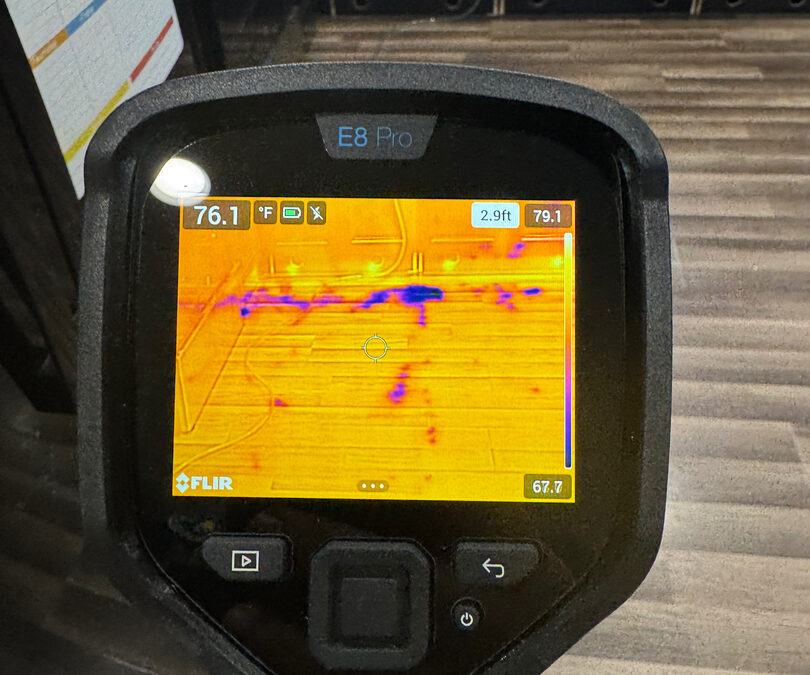
Testing helps confirm mold presence. Spore count testing reveals how much mold is in the air. This method is common and effective. Professionals may also use thermal imaging leak detection to find hidden moisture. This technology spots issues without tearing down walls. Trust a licensed expert to choose the right method for your situation.
Understanding Stachybotrys and Black Mold
Stachybotrys, often called black mold, is notorious for being harmful. It can cause health issues such as respiratory problems. Unlike other molds, it thrives on materials like paper and wood. If you suspect black mold, don’t delay in seeking professional help. Quick action can prevent serious health risks and property damage.
Mold Remediation Process Explained
Once you’ve identified mold, the next step is remediation. But what does that involve? Here’s a look at the process to ensure effective and safe mold removal.
IICRC-Compliant Remediation Steps
Mold remediation must follow specific steps to be effective. Professionals will first assess the situation thoroughly. This involves checking the extent of mold growth. Then, they contain the affected area to prevent spread. Next, they remove mold-infested materials. Finally, they clean and sanitize the area. These steps align with IICRC S520 standards, ensuring the process is safe and thorough.
Importance of Negative Air Containment
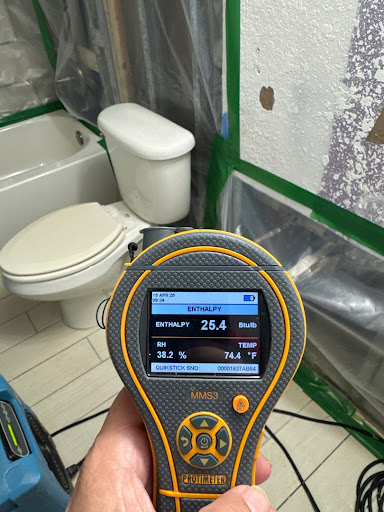
Containment is crucial in mold removal. Negative air containment uses barriers and special machines to keep mold spores from spreading. This technique involves creating a controlled environment. It helps protect the rest of your home from contamination. You might think closing doors is enough, but effective containment requires professional-grade solutions.
Effective Use of HEPA Air Filtration
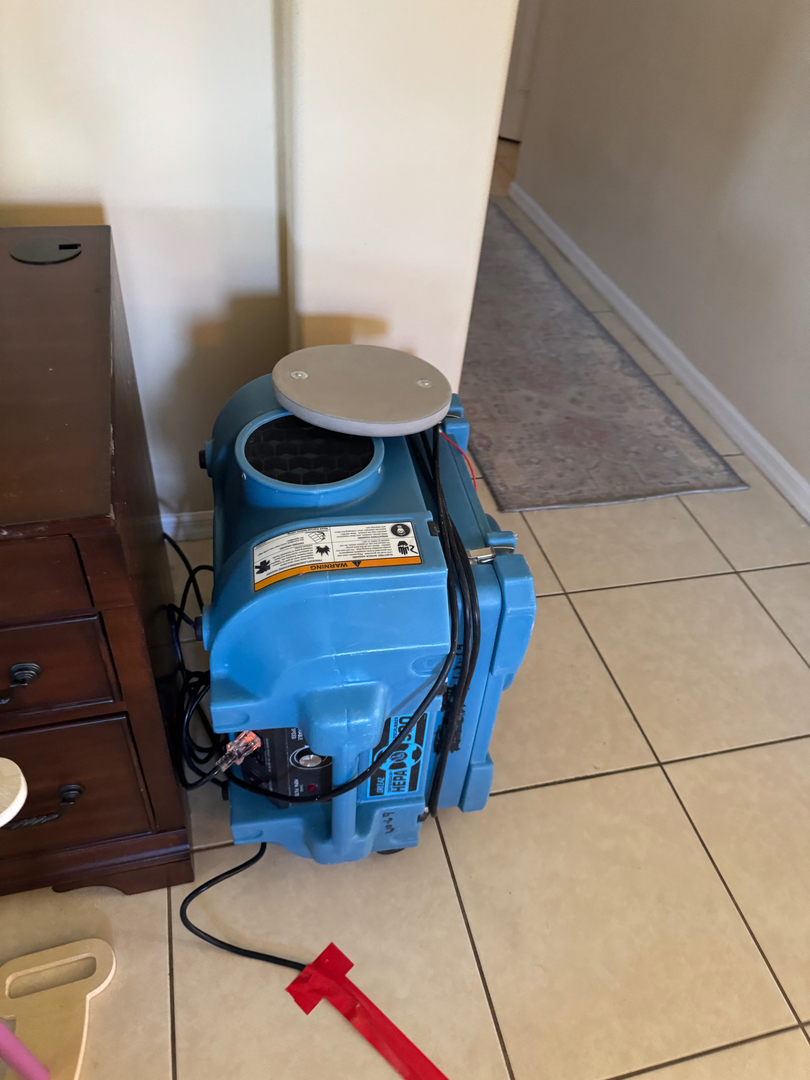
HEPA filters are vital in cleaning air during remediation. They trap tiny particles, including mold spores. An air scrubber with a HEPA filter cleans the air continuously. This reduces airborne spores and allergens. The longer you wait to use proper filtration, the more mold can spread. Act fast to keep your indoor air safe.
Ensuring Safe Indoor Air Quality
Mold removal is just the beginning. Keeping your home’s air clean ensures long-term safety and comfort.
Importance of Indoor Air Quality Testing
Testing your home’s air quality is essential. Indoor air quality testing checks for pollutants and ensures your home is safe to breathe in. Regular testing can catch problems early. Want peace of mind? Make this testing a routine part of home maintenance.
Moisture Mapping and Thermal Imaging
Detecting moisture is key to preventing mold. Moisture mapping shows where water might be hiding. This method pinpoints trouble spots before mold appears. Thermal imaging adds another layer of security, spotting leaks behind walls. These tools are powerful allies in keeping your home mold-free.
Post-Remediation Verification Techniques
After remediation, verification is crucial. This step confirms mold removal was successful. Professionals will retest the air and surfaces. They may use post-remediation verification to ensure no mold is left. This process gives you confidence that your home is truly safe.
In conclusion, understanding mold risks and remediation processes is essential for Florida homeowners. With proper testing and expert help, you can keep your home safe. Remember, All In One Cleaning & Restoration FL is here to support you with trusted, thorough service whenever you need it.