
Water or fire damage can hide threats that surface repairs won’t catch. Skipping a thorough restoration inspection checklist leaves your home vulnerable to hidden mold, structural issues, and prolonged insurance claims. Understanding the full scope of a pre-repair inspection ensures your property’s safety and speeds approval—giving you a clear path forward with confidence. Here’s what every Florida property owner should expect before repairs begin.
Essential Restoration Inspection Components
Ensuring a thorough inspection before any repairs is crucial. It sets the stage for a successful restoration, helping you avoid hidden pitfalls and costly mistakes.
Understanding the Restoration Inspection Checklist
Every inspection starts with a detailed checklist. This ensures nothing is overlooked. Professionals assess the extent of damage, identify affected areas, and outline necessary steps to restore your property safely. This comprehensive approach leaves no room for hidden threats, saving you time and money.
Importance of Pre-Repair Inspection
A pre-repair inspection is your first line of defense. It catches invisible issues that could disrupt repairs later. Inspectors pinpoint structural weaknesses and potential mold growth, which are critical for your home’s safety. By addressing these issues upfront, you avoid future complications and costly delays.
Role of IICRC S500 and S520 Standards
These standards are the backbone of any inspection. They guide inspectors in assessing water and mold damage with precision. Adhering to these standards ensures the inspection is thorough and meets industry benchmarks. This commitment to quality reassures you that your home is in expert hands.
Key Assessment Areas
Focusing on key areas during the inspection ensures comprehensive coverage. Each area requires a specific approach to efficiently address potential issues.
Water Damage Assessment in Florida
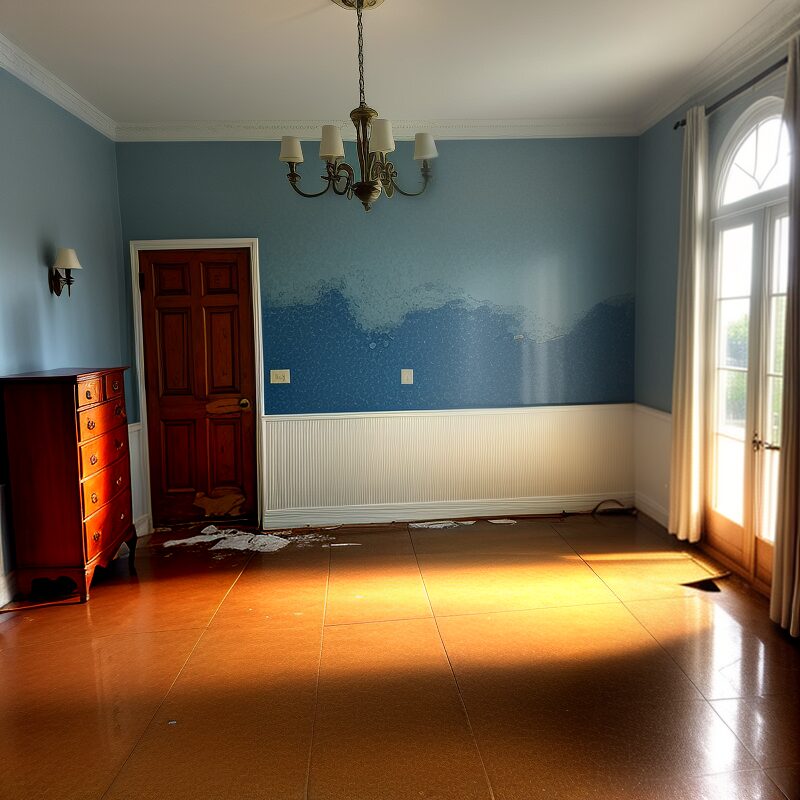
Florida’s climate makes water damage assessments vital. Inspectors identify the source of water, classify the water type, and assess the extent of damage. Understanding these factors helps prevent mold growth, a common issue in Florida’s humid environment. By acting quickly, you can avoid further damage and costly repairs.
Mold Inspection and Remediation Process
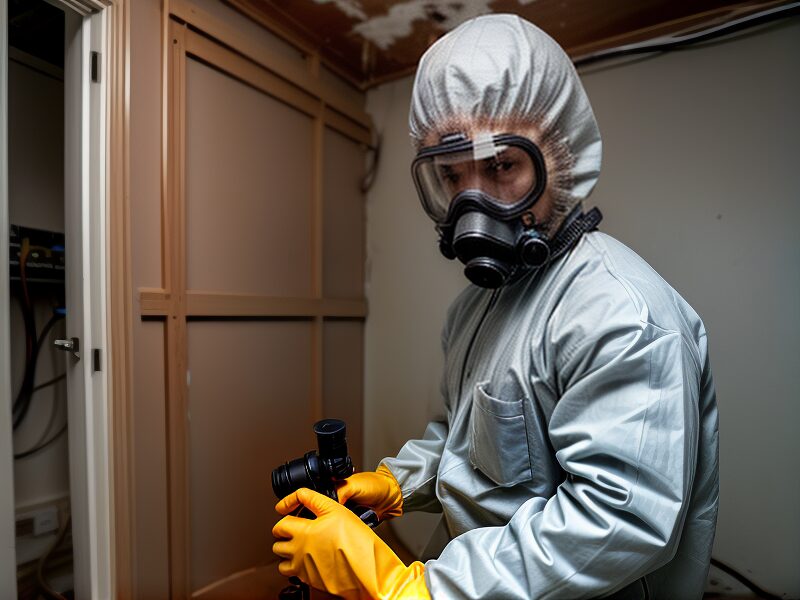
Mold inspections are critical. Inspectors look for visible signs and hidden spores. They test air quality and surfaces to gauge contamination levels. Once detected, mold remediation involves removing the mold and addressing the underlying moisture problem. This approach ensures mold doesn’t return, safeguarding your health and property.
Smoke and Soot Assessment Techniques
Fire damage isn’t just about visible destruction. Smoke and soot can infiltrate your home, causing lingering odors and air quality issues. Inspectors use advanced techniques to assess the extent of smoke damage, ensuring all traces are removed. This thorough cleanup process restores your home’s air quality and alleviates health concerns.
Tools and Techniques
Professional inspections rely on advanced tools and techniques to uncover hidden damage and ensure thorough restoration.
Moisture Mapping and Thermal Imaging Inspection
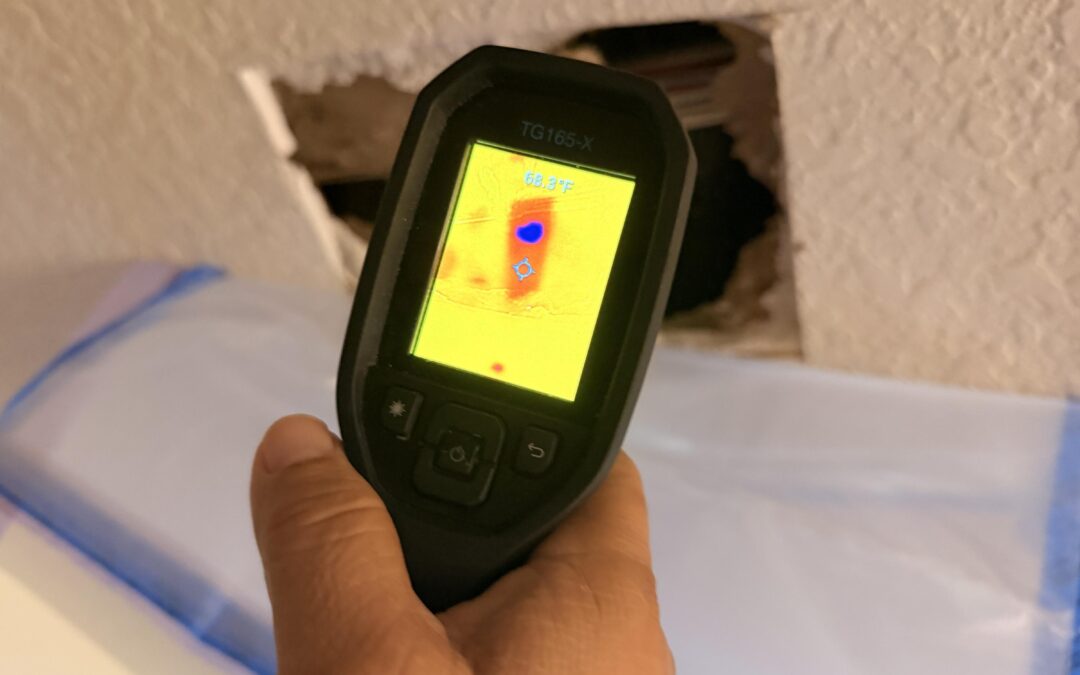
These tools are essential in detecting unseen water damage. Moisture mapping pinpoints areas retaining moisture, while thermal imaging identifies temperature variations that signal potential issues. Together, they create a complete picture, allowing for targeted repairs and preventing future problems.
Developing a Structural Drying Plan
A drying plan is a crucial step in water damage restoration. Experts develop customized plans based on the damage severity and affected areas. This plan outlines the equipment and methods needed to thoroughly dry your property, reducing the risk of mold growth and structural damage.
Using Air Scrubbers and Dehumidifiers
These devices play a key role in air quality restoration. Air scrubbers remove airborne contaminants, while dehumidifiers extract moisture from the air. Together, they create a healthier environment, preventing mold growth and improving indoor air quality.
Frequently Asked Questions
What is included in a restoration inspection checklist?
A restoration inspection checklist includes assessing water damage, mold presence, structural integrity, and smoke or soot damage. It ensures all potential issues are identified and addressed before repairs begin.
Why is a pre-repair inspection important?
A pre-repair inspection identifies hidden problems that could complicate repairs if left unchecked. It ensures all damage is addressed upfront, preventing costly delays and ensuring a safe restoration process.
How do IICRC standards impact the inspection process?
IICRC S500 and S520 standards guide inspectors in assessing and addressing water and mold damage. These standards ensure inspections are thorough and meet industry requirements, providing peace of mind that your home is in expert hands.
What tools do professionals use for inspections?
Professionals use moisture mapping, thermal imaging, air scrubbers, and dehumidifiers. These tools help detect hidden damage, improve air quality, and ensure a comprehensive restoration.
How does moisture mapping benefit the inspection process?
Moisture mapping detects areas retaining moisture that may not be visible to the naked eye. It helps identify potential issues early, allowing for targeted repairs and preventing future damage like mold growth.