
Mold can hide behind walls, silently spreading after water damage. If you start repairs without mold testing Florida homeowners trust, you risk missing hidden threats that affect your health and property value. This guide explains how pre-repair mold inspection, including air quality testing and moisture mapping, ensures clear lab certified results that guide safe remediation and smooth insurance claims. Read on to learn how All In One Cleaning & Restoration FL supports you with independent mold assessors and thorough clearance testing.
The Importance of Mold Testing in Florida
Mold testing in Florida is crucial to protecting both your home and health. The region’s climate makes it a prime environment for mold growth, especially after water damage. Before any repairs, it’s essential to test for mold to avoid potential health risks and property damage.
When to Conduct Pre-Repair Mold Inspection
You should conduct a pre-repair mold inspection as soon as you suspect mold presence after water damage. This is vital to ensure that any hidden mold is identified and addressed before repairs. Mold can start growing within just 24 to 48 hours of water exposure. By testing early, you prevent further spread and more costly repairs later on. Mold inspections involve checking not just visible areas but also hidden spots where mold might lurk, such as behind walls or under floors. Even if you can’t see mold, it doesn’t mean it’s not there. Early detection allows for a more thorough remediation process, ensuring your home is safe and healthy.
Understanding Florida Mold Laws and Regulations
Florida has specific regulations regarding mold testing and remediation. These laws are designed to protect homeowners from the hazards of mold exposure. Understanding these regulations helps ensure your testing and remediation processes are compliant, which is crucial for any insurance claims. Florida law requires that the mold assessor and the remediation company be independent of each other. This ensures an unbiased assessment and thorough remediation. Knowing the legal framework gives you confidence in the mold removal process and helps avoid legal issues down the line. Complying with these laws also ensures that your property retains its value and safety.
Mold Testing Methods and Their Impact
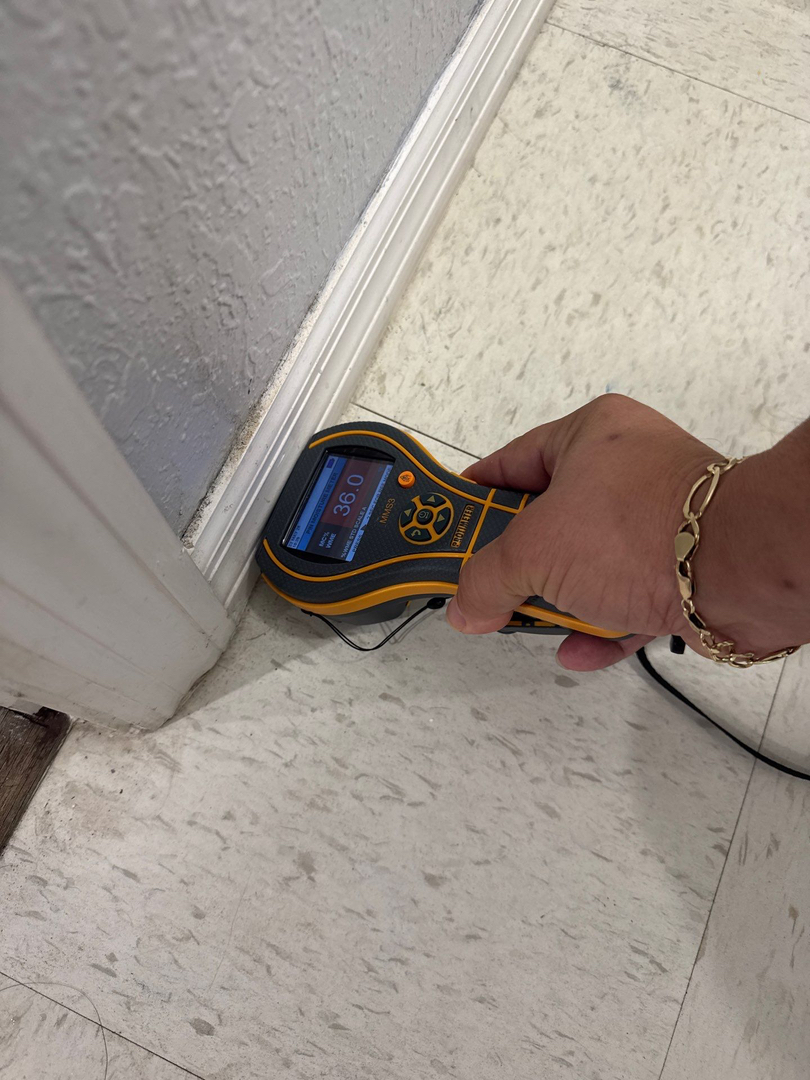
Various methods are used in mold testing, each providing critical insights into the extent of mold growth. These tests help determine the most effective remediation approach, ensuring thorough mold removal.
Air Quality Testing and Mold Spore Count
Air quality testing is essential in identifying the concentration of mold spores in your home. This involves collecting air samples and analyzing them in a lab to determine the mold spore count. Elevated mold spore levels can indicate hidden mold growth that needs addressing. This test is crucial in understanding the overall air quality and health risks. High mold spore counts can exacerbate respiratory problems and allergies. By knowing the spore levels, you can take targeted actions to improve air quality. This form of testing ensures that remediation efforts focus on all affected areas, not just the visible mold.
Moisture Mapping and Thermal Imaging Inspection
Moisture mapping and thermal imaging are powerful tools in mold detection. These methods help identify moisture sources that may not be visible to the naked eye. Moisture is a key factor in mold growth, and these tools ensure comprehensive detection. Thermal imaging detects temperature variations that indicate moisture presence behind walls or under floors. Moisture mapping pinpoints areas with excess moisture, guiding effective remediation. By addressing these moisture sources, you prevent future mold growth. These methods provide a complete picture of the mold situation, ensuring no areas are overlooked during remediation.
Navigating Results and Remediation
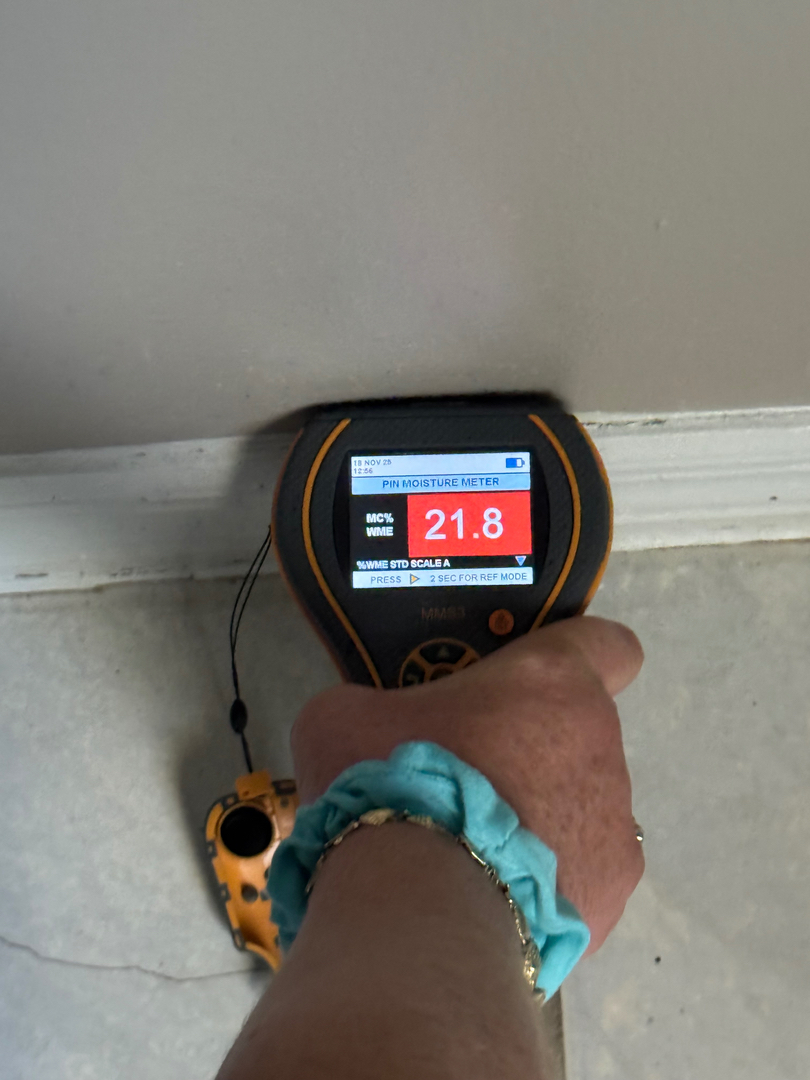
Understanding mold test results guides the remediation process, ensuring safe and effective mold removal. Proper interpretation of these results is crucial to formulating an action plan.
Lab Certified Results and IICRC S520 Guidelines
Lab certified results provide a clear and accurate picture of mold presence and severity. These results ensure that the remediation process adheres to the IICRC S520 guidelines, which are the industry standard for mold remediation. Following these guidelines ensures thorough and safe mold removal, protecting both your property and health. These standards dictate how mold should be removed and the measures to prevent its return. By adhering to these guidelines, you ensure the highest quality remediation. This compliance also simplifies insurance claims, providing proof of a thorough mold inspection and remediation process.
Coordination with Independent Mold Assessor
Working with an independent mold assessor ensures an unbiased evaluation of your mold situation. This coordination is crucial for accurate mold assessment and effective remediation. Independent assessors provide a third-party perspective, ensuring transparency and reliability in testing results. They help guide the remediation team, ensuring that all mold is identified and removed. This collaboration ensures that the entire process, from testing to remediation, is seamless and effective. By using an independent assessor, you gain peace of mind knowing that the mold issue is being handled professionally and thoroughly.
Frequently Asked Questions
Q: How soon should I perform a mold inspection after water damage?
A: You should perform a mold inspection as soon as possible, ideally within 24 to 48 hours after water damage, to prevent mold growth and further property damage.
Q: What are the signs that I need a mold inspection?
A: Signs include visible mold, musty odors, recent water damage, or health symptoms like allergies and respiratory issues that could be linked to mold exposure.
Q: Can I use bleach to remove mold in my home?
A: Bleach is not recommended for mold removal as it does not eliminate mold spores effectively and can leave moisture behind, potentially worsening the problem.
Q: What role does an independent mold assessor play in remediation?
A: An independent mold assessor provides an unbiased evaluation, ensuring accurate detection and guiding the remediation process for effective mold removal.
Q: How do Florida mold laws affect remediation?
A: Florida requires separate entities for mold assessment and remediation to ensure unbiased processes, impacting how you choose service providers and handle insurance claims.