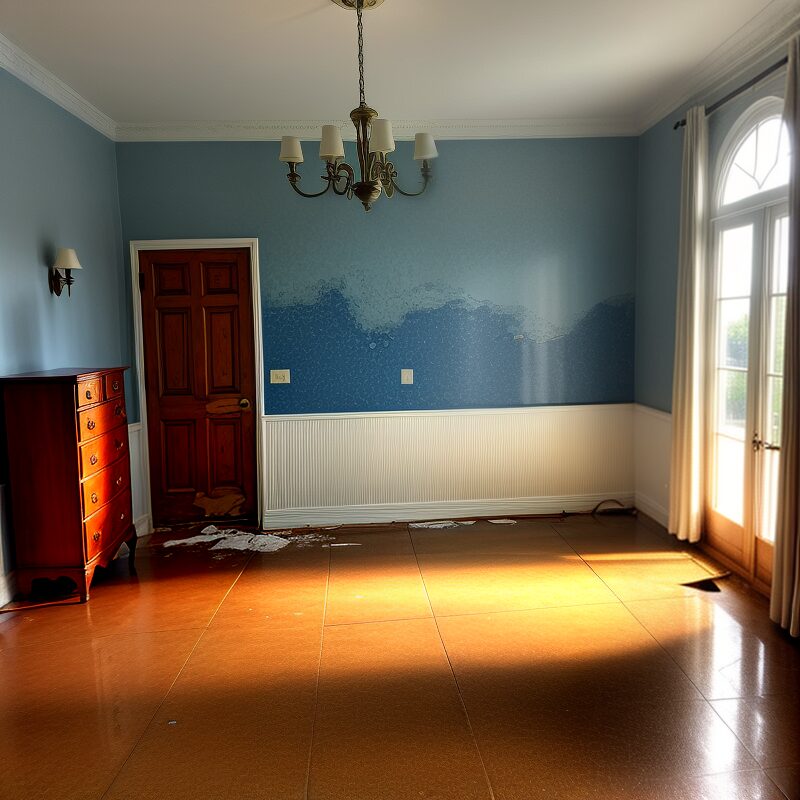
Water damage and mold can start impacting your indoor air quality within 24 to 48 hours. If left unchecked, these issues may pose serious health risks and threaten your property’s value. This guide walks you through the crucial first steps to protect indoor air quality after water damage, explains how HEPA filtration and containment work, and shows when to call All In One Cleaning & Restoration FL for expert help.
Protecting Indoor Air Quality Fast
After water damage, quick action is crucial to protect your indoor air quality. Here are the steps you need to take immediately and in the days following an incident.
First 24 Hours: Immediate Steps
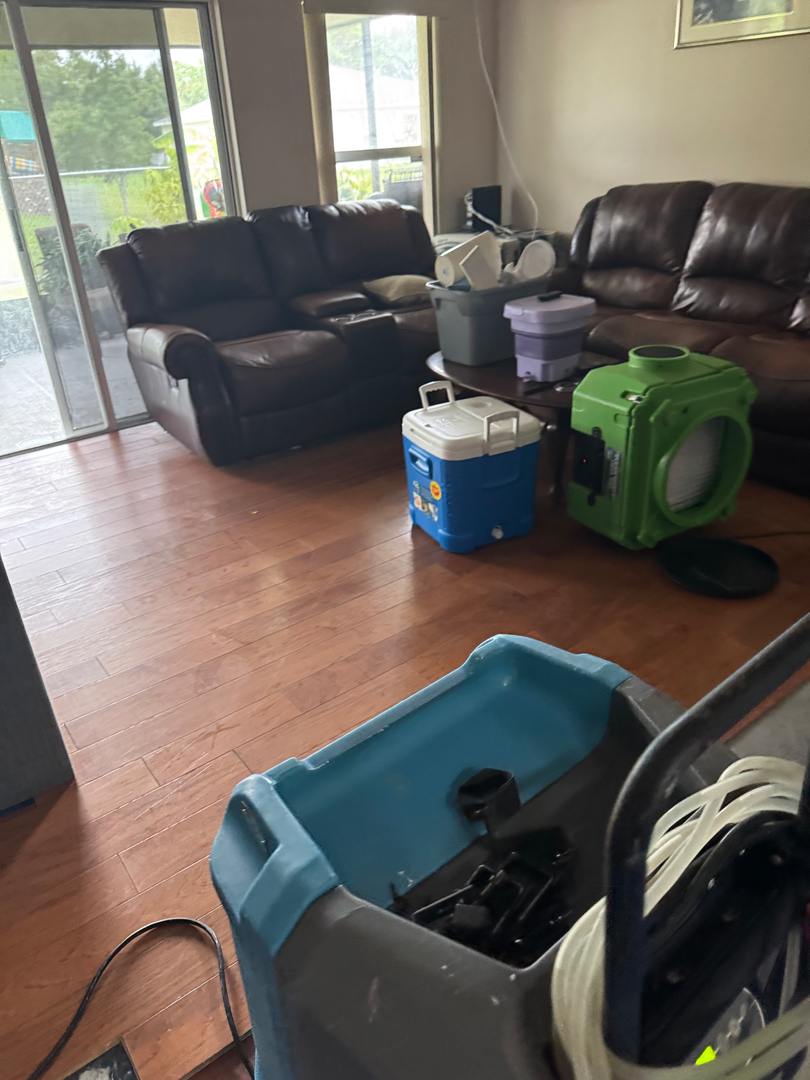
In the first 24 hours, your focus should be on stopping further damage. Begin by removing standing water to prevent mold growth, which can start within 24 to 48 hours. You should also ventilate the area to reduce moisture levels. Use fans and dehumidifiers to aid in drying. It’s important to remove any wet materials like carpets or furniture, as these can harbor mold. Acting fast can significantly reduce the potential for additional damage and health risks.
24-72 Hours: Ongoing Actions
As you move into the next phase, continue drying out the area while monitoring for mold. Check for any new water leaks and repair them immediately. Clean and disinfect all surfaces to eliminate any contaminants. Keep dehumidifiers running and maintain good airflow throughout the space. If you notice any signs of mold, such as a musty odor or visible growth, it’s time to consider professional mold remediation services.
Beyond 72 Hours: Long-Term Measures
Once the immediate dangers are under control, focus on long-term prevention. Ensure your home is well-ventilated and maintain humidity levels below 60% to deter mold growth. Regularly inspect your home for leaks or water damage. Consider installing a HEPA air purifier to improve indoor air quality by capturing mold spores and other pollutants. These measures will help safeguard your home and health over time.
HVAC and Filtration Best Practices
Your HVAC system plays a key role in maintaining indoor air quality. Following best practices for cleaning and filtration is essential in the wake of water damage.
Effective HVAC Cleaning Tips
Start by replacing air filters regularly to keep your system running smoothly. Dirt and debris in your HVAC system can circulate mold spores and other allergens. Clean the ducts and vents to prevent the spread of contaminants. For comprehensive cleaning, consider hiring a professional service to ensure thoroughness and safety.
Utilizing HEPA Filtration Systems
HEPA filtration systems are effective in trapping tiny particles like mold spores. These filters can capture up to 99.97% of airborne particles, including dust, pollen, and mold. Installing a HEPA filter in your HVAC system or using a portable air purifier can greatly improve indoor air quality.
Negative Air Pressure Containment
Negative air pressure containment is a technique used to prevent the spread of contaminants. It involves creating a vacuum effect, drawing air into a sealed area and venting it outside. This method is particularly useful during mold remediation or when dealing with hazardous materials. It helps ensure that spores or dust do not escape to other parts of your home.
When Professional Help Is Needed
Knowing when to call in experts can save you time and prevent further complications. Here’s when you should seek professional assistance.
Signs to Call in Experts
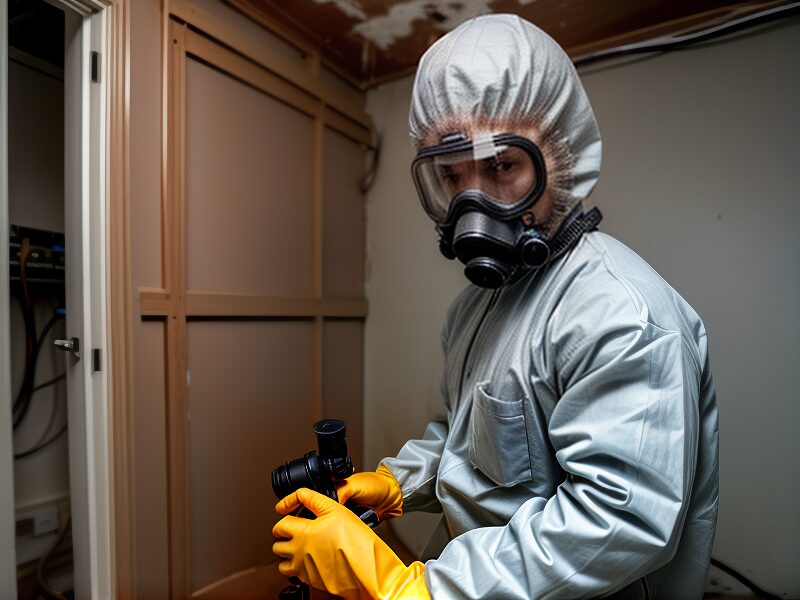
If you notice persistent mold odors, visible mold growth, or if your DIY efforts aren’t effective, it’s time to reach out to professionals. They have the tools and expertise to handle severe cases and can ensure a thorough cleanup.
Importance of Post-Remediation Verification
After remediation, post-remediation verification (PRV) is crucial. This process confirms that the mold has been effectively removed and that your indoor air quality is safe. Professionals use advanced testing methods to give you peace of mind.
Partnering with All In One Restoration
All In One Cleaning & Restoration FL offers comprehensive services to address all aspects of water damage and mold remediation. With over 30 years of experience, they provide rapid response and thorough solutions, ensuring your home is safe and healthy once more.
Frequently Asked Questions
What should I do immediately after water damage?
Immediately remove standing water, ventilate the area, and start drying out the space with fans and dehumidifiers. Remove wet materials to prevent mold growth.
How can I prevent mold after water damage?
Keep humidity levels below 60%, use dehumidifiers, and ensure proper ventilation. Regularly inspect for leaks and consider using HEPA air purifiers.
When should I call a professional for mold removal?
Call a professional if you notice persistent mold odors, visible growth, or if your initial cleanup efforts are ineffective. They can provide thorough and safe remediation.
What is post-remediation verification?
Post-remediation verification ensures that mold removal has been successful. Professionals conduct tests to confirm that indoor air quality is restored and safe.
Why is negative air pressure important during remediation?
Negative air pressure prevents contaminants from spreading to other areas. It creates a controlled environment, ensuring that spores and dust are contained and vented outside.