
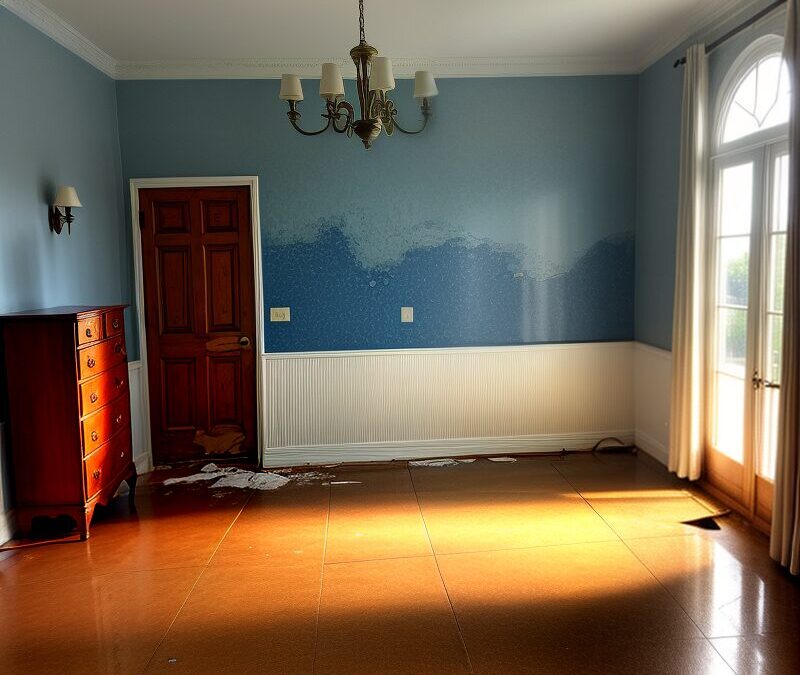
Florida’s high humidity creates a hidden challenge in stopping water damage and mold growth. With relative humidity often above 70%, drying times stretch out, and mold can begin colonizing within 48 hours. Understanding how this moisture traps water and speeds mold growth is key to protecting your property. This post breaks down the science and offers a clear, step-by-step plan to control moisture and secure your home or business.
Understanding Florida Humidity’s Impact
Florida’s unique climate poses distinct challenges for property maintenance, especially when it comes to moisture control. High humidity levels create specific conditions that can lead to prolonged drying times and increased risk of mold and structural damage.
Slowed Evaporation and Increased Risk
In Florida, high humidity slows down the evaporation process. When water lingers, it seeps into surfaces, increasing the risk of long-term damage. This not only makes cleanup harder but also means water can reach places you can’t easily see. The longer water stays, the more damage it can cause to walls, floors, and foundations. Acting fast is crucial to minimize these risks.
Accelerated Mold Growth Conditions
Mold thrives in humid environments. In Florida, where relative humidity often exceeds 70%, mold can start growing within 48 hours of water exposure. This rapid growth is a serious concern for your health and property. Mold spores spread quickly, affecting indoor air quality and posing health risks like allergies and respiratory issues. That’s why understanding this process is vital to prevent mold from taking hold in your home.
Structural Damage Concerns
Prolonged water exposure, coupled with high humidity, can weaken structural components. Wood can warp, drywall can become soft, and metal can corrode. These issues compromise the integrity of your property, leading to costly repairs if not addressed promptly. The best approach is regular inspections and immediate action when signs of water damage appear.
Effective Water Damage Mitigation
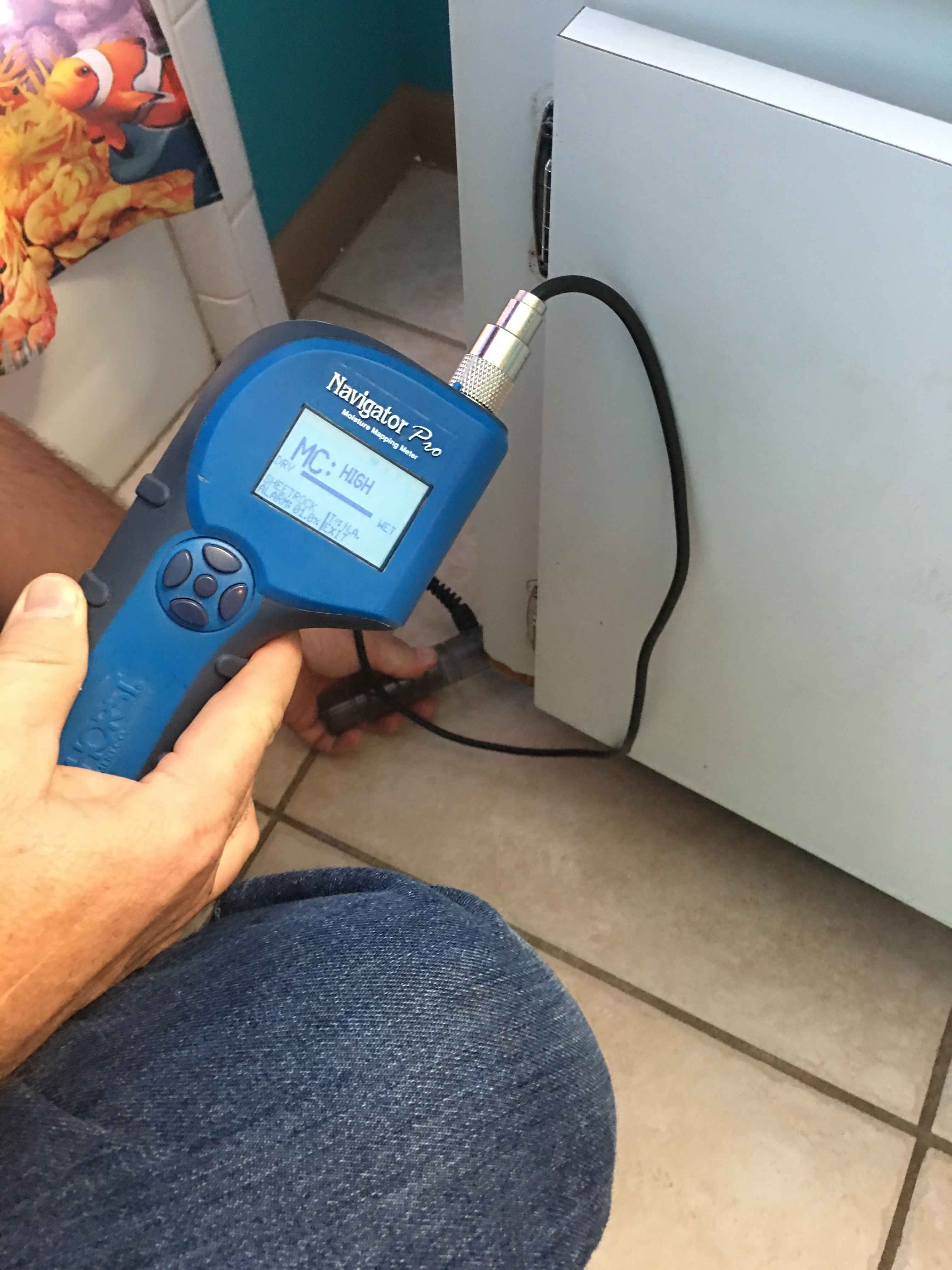
Preventing water damage in Florida involves a proactive approach. By taking immediate steps and employing advanced techniques, you can protect your property from extensive damage.
Immediate Action Steps for Homeowners
When water damage occurs, act quickly to prevent further harm. First, stop the water source, then remove standing water with mops and towels. Ventilate the area by opening windows and using fans. Remember, quick action is key to minimizing damage and preventing mold growth. Don’t hesitate to reach out to professionals for thorough water extraction and assessment.
Moisture Mapping and Thermal Imaging
Advanced tools like moisture mapping and thermal imaging help detect hidden water. These technologies pinpoint areas where moisture is trapped, even behind walls or under floors. By identifying these spots early, you can address issues before they escalate. Investing in these services ensures a comprehensive evaluation of your property’s moisture levels, providing peace of mind.
Professional Structural Drying Techniques
Professional drying methods are essential for effective water mitigation. Techniques such as using desiccant dehumidifiers and low grain refrigerant dehumidifiers remove moisture from the air and materials. These tools target deep-seated moisture, ensuring your property is thoroughly dried and mold risk is minimized. Trusting experts for this process guarantees a safe and efficient restoration.
Comprehensive Mold Remediation Strategies
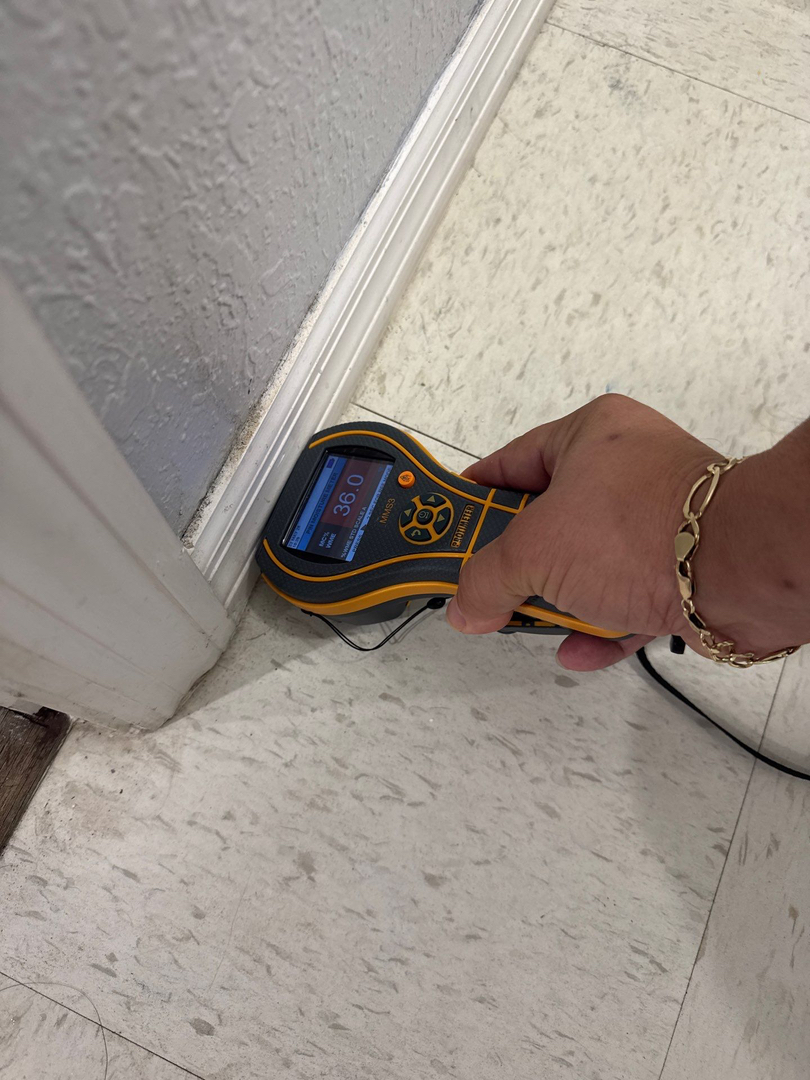
Mold remediation requires a strategic approach. By following certified processes, you can ensure mold is effectively removed and future growth is prevented.
IICRC-Certified Mold Removal Process
An IICRC-certified process guarantees thorough mold remediation. This involves inspecting affected areas, containing mold spores, and removing contaminated materials. Following these steps not only eliminates existing mold but also prevents it from returning. Certification ensures that the process adheres to industry standards, providing reliable results.
Importance of Negative Air and HEPA Filtration
During mold remediation, it’s crucial to use negative air pressure and HEPA filtration. These techniques prevent mold spores from spreading to other areas of your property. By filtering the air, you maintain a healthy indoor environment, reducing the risk of respiratory issues. Investing in these methods ensures a comprehensive approach to mold management.
Preventative Measures for Mold Growth
Prevention is the best strategy against mold. Regular maintenance, such as checking for leaks and keeping humidity levels below 60%, helps protect your property. Installing dehumidifiers and ensuring proper ventilation in humid areas can deter mold growth. By staying proactive, you safeguard your home from mold-related issues.
Frequently Asked Questions
How does Florida humidity affect water damage?
Florida’s humidity slows drying times, making water damage more severe. Moisture lingers, leading to increased risk of mold and structural damage.
What immediate steps should I take for water damage?
Stop the water source, remove standing water, and ventilate the area. Quick action minimizes damage and the risk of mold growth.
Why is professional drying important?
Professional drying techniques ensure all moisture is removed, preventing mold and further structural issues. Experts use advanced equipment like dehumidifiers for effective results.
What is the role of negative air during mold remediation?
Negative air prevents mold spores from spreading during remediation. It ensures a safe environment by containing and removing airborne contaminants.
How can I prevent mold growth in my home?
Keep humidity levels low, fix leaks promptly, and ensure proper ventilation. Regular inspections and maintenance are key to preventing mold issues.