
Mold in your Florida property can spread faster than most people expect, putting your health and investment at risk. Without a clear, step-by-step process, it’s easy to miss critical details that lead to incomplete mold removal Florida residents face. This guide breaks down every stage of Florida mold remediation, so you know exactly what to expect and how All In One Cleaning & Restoration FL ensures a safe, verified result from inspection to clearance.
Comprehensive Mold Inspection
Understanding the starting point is crucial in any mold removal project. A thorough inspection sets the stage for a successful remediation process.
Identifying Mold Growth
Mold can hide in plain sight or lurk behind walls and under floors. The first step is recognizing the signs: a musty odor, discolored walls, or visible patches. You should be aware that some molds are toxic, like black mold, which calls for immediate attention. Identifying these signs quickly helps protect your home and health from further damage.
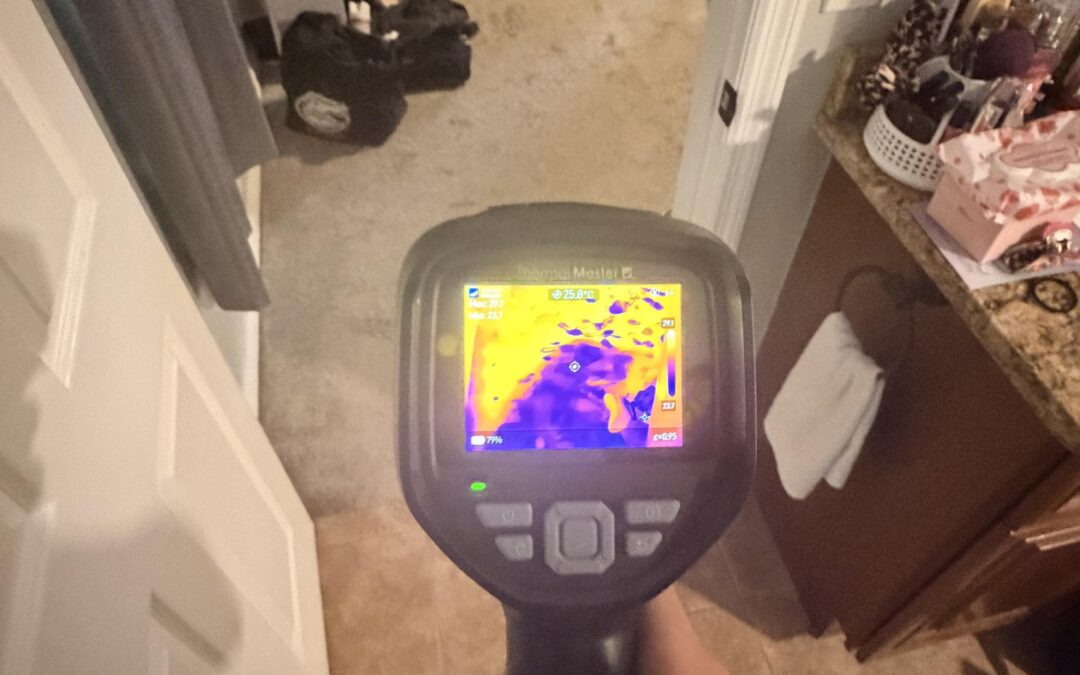
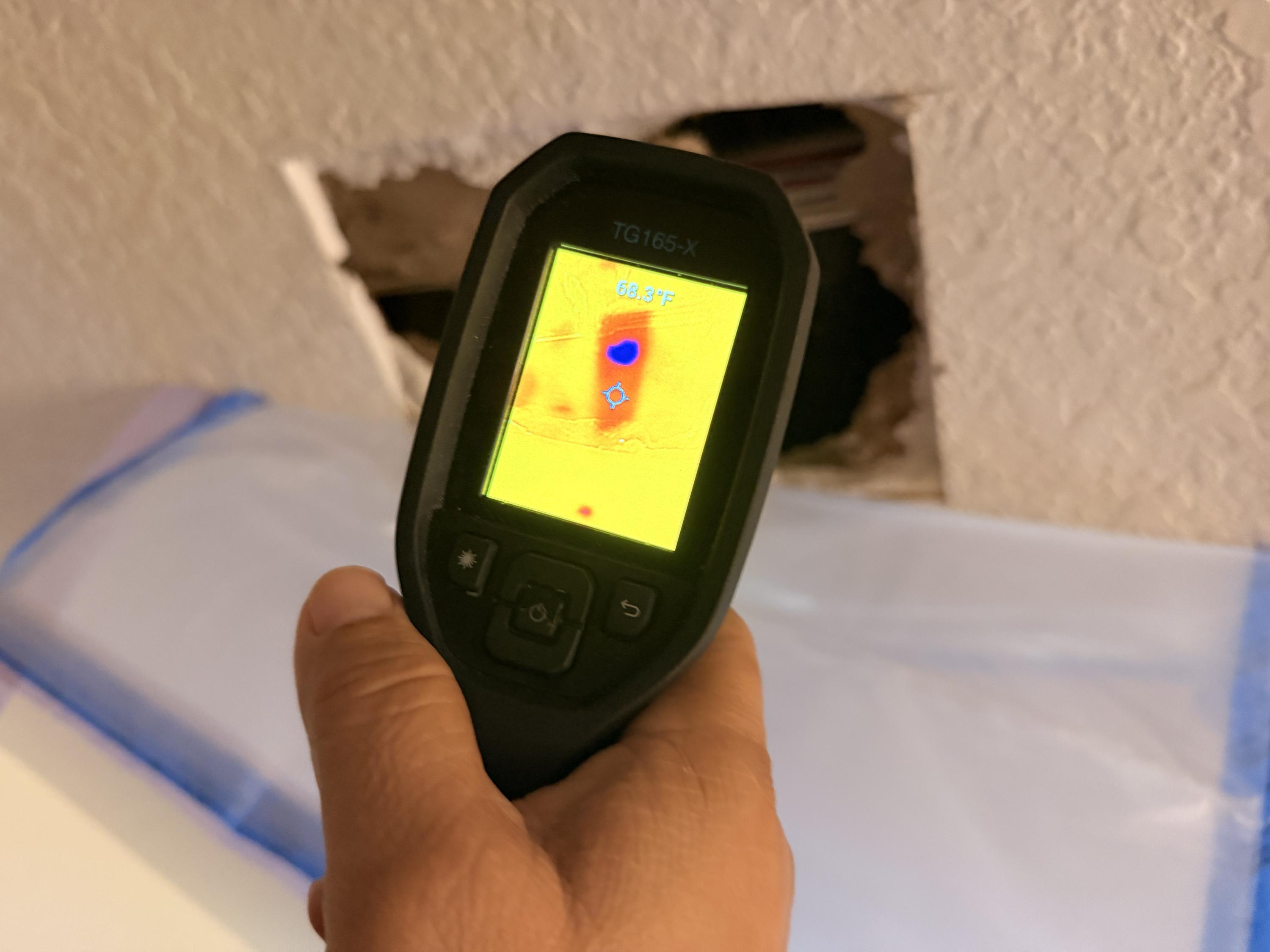
Experts use advanced tools like moisture meters and thermal imaging to detect hidden mold. These technologies allow for precise identification of mold colonies, even in hard-to-reach spots. By pinpointing the exact locations, professionals can address the problem areas effectively.
Independent Mold Assessor Role
An independent mold assessor plays a vital part in ensuring unbiased inspections. Their primary responsibility is to evaluate the extent of mold growth and determine the appropriate remediation plan. This independent analysis is critical, as it provides a second opinion that confirms the findings.
By choosing an independent assessor, you ensure that the inspection process is comprehensive and impartial. This external validation means you receive an honest assessment, free from any conflict of interest, and it empowers you to make informed decisions.
Moisture Mapping Techniques
Moisture mapping is a technique used to create a visual representation of moisture distribution in your property. This method helps identify areas at high risk for mold growth. By assessing moisture levels, professionals can target the root causes of mold infestations, such as leaks or poor ventilation.
Incorporating moisture mapping into the inspection process allows for a strategic approach to mold remediation. It ensures no area is overlooked, reducing the chances of mold returning. This proactive step enhances the overall effectiveness of the remediation plan.
Effective Mold Remediation Process
Once the inspection is complete, the focus shifts to eliminating the mold. Each step in the remediation process is designed to ensure thorough removal and prevent recurrence.
Setting Up Negative Air Containment
Creating a controlled environment is essential to prevent mold spores from spreading during removal. Negative air containment is a technique used to isolate the affected area. By using specialized equipment to maintain lower air pressure inside the containment zone, mold spores are effectively trapped.
This setup is crucial for protecting the rest of your home from contamination. It ensures that mold removal is contained and efficient, safeguarding your family’s health and the integrity of your property.
HEPA Air Filtration Explained
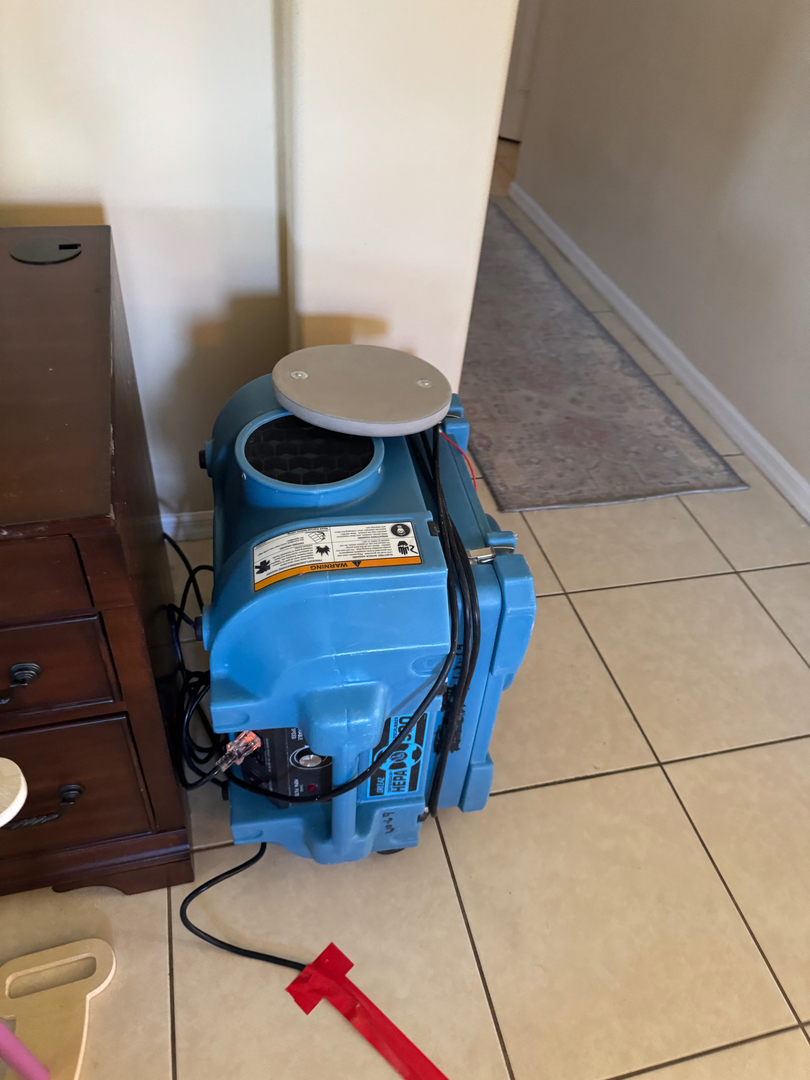
High-Efficiency Particulate Air (HEPA) filtration is a powerful tool in the mold remediation arsenal. HEPA filters capture 99.97% of airborne particles, including mold spores. This filtration system is employed to clean the air and reduce the risk of spore inhalation.
By using HEPA air filtration, you ensure that the air in your home remains clean and safe during and after the remediation process. It’s an effective way to maintain indoor air quality, providing peace of mind and a healthier living environment.
Safe Black Mold Removal Steps
Removing black mold requires a careful and systematic approach. First, the area is sealed off to prevent spore spread. Then, protective gear is worn to ensure safety. Mold is removed using specialized tools and cleaning agents designed to kill mold and prevent regrowth.
The process concludes with a thorough cleaning of the area to remove any remaining spores. By following these steps, you ensure that black mold is completely eradicated, protecting your home and health from its harmful effects.
Post-Remediation Verification
After mold removal, verification steps confirm that the remediation was successful and your home is safe.
Clearance Testing Importance
Clearance testing is a crucial final step in the remediation process. It involves sampling the air and surfaces to ensure mold levels are within safe limits. This test provides confidence that the remediation was effective and the environment is safe.
By opting for clearance testing, you gain assurance that your home is free from mold hazards. It serves as a confirmation that the problem has been resolved, allowing you to breathe easy.
Independent Verification Procedures
Engaging an independent entity for post-remediation verification adds an extra layer of accountability. This involves a third-party inspection to verify that all remediation goals were met. It ensures that the remediation process adhered to industry standards and guidelines.
This independent verification process builds trust and confidence in the remediation results. It provides an unbiased assessment that the job was done right, enhancing the credibility of the remediation efforts.
Ensuring Long-Term Humidity Control
Maintaining proper humidity levels is essential to prevent future mold growth. Dehumidification and regular monitoring can help keep moisture in check. Florida’s climate poses a challenge, but with effective humidity control strategies, you can safeguard your home.
Implementing measures like installing dehumidifiers and ensuring proper ventilation helps maintain a moisture-free environment. This proactive approach is key to preventing mold from making a comeback, ensuring your home remains safe and healthy.
Frequently Asked Questions
What are the signs of mold growth in a home?
Signs of mold growth include musty odors, visible mold spots on walls or ceilings, and increased allergy symptoms among residents. If you notice any of these, it’s important to consider a professional inspection.
Why is negative air containment important in mold remediation?
Negative air containment prevents mold spores from spreading to unaffected areas during remediation. By maintaining lower air pressure in the contaminated zone, it confines the spores, ensuring efficient removal.
How does moisture mapping help in mold removal?
Moisture mapping identifies areas with high moisture levels that are prone to mold growth. It guides professionals in targeting these spots, addressing the root causes of mold issues, and implementing effective remediation strategies.
What is the role of an independent mold assessor?
An independent mold assessor provides an unbiased evaluation of mold presence and severity. Their assessment helps in crafting an accurate remediation plan, ensuring transparency and effectiveness.
How can I prevent mold from returning after remediation?
To prevent mold recurrence, control humidity levels in your home. Use dehumidifiers, improve ventilation, and promptly repair any leaks. Regular monitoring of moisture levels also helps in maintaining a mold-free environment.
By following this comprehensive guide, you are equipped to handle mold remediation with confidence, ensuring your Florida property remains safe and healthy.