Mold can start growing in your Florida home within 24 to 48 hours after water intrusion, turning a small leak into a serious problem fast. Florida’s high humidity keeps moisture trapped longer, making hidden mold a common and costly risk. This guide will show you how to spot early signs, protect your health and property, and take the right steps before mold spreads—so you can act swiftly and confidently.
For more information, visit All In One Cleaning & Restoration.
Understanding Mold Growth Timelines
Recognizing the speed at which mold can grow is crucial to safeguarding your home. Mold can begin to develop in as little as 24 to 48 hours, which makes quick action essential.
Mold Growth 24–48 Hours
Time is not on your side when it comes to mold. Within just a day or two, mold spores can take root, especially in damp or flooded areas. This rapid growth is a common issue in Florida due to the high humidity levels. Once mold starts, it can spread quickly, damaging walls, floors, and even personal belongings. The sooner you address water damage, the better your chances of preventing mold from gaining a foothold.
Florida Mold After Water Damage
In Florida, water damage often goes hand in hand with mold problems. The state’s warm, humid climate accelerates mold growth, making it a constant concern for homeowners. Whether from a leaky roof, a burst pipe, or flooding, any water intrusion can lead to mold if not addressed promptly. Being proactive with water damage is key. Drying out affected areas quickly and thoroughly can halt mold in its tracks.
Spotting Hidden Moisture
Hidden moisture can be a silent threat, leading to mold growth without you even realizing it. Look for signs such as musty odors, discoloration on walls or ceilings, or increased allergy symptoms. Mold often hides behind walls, under carpets, or in crawl spaces. Using moisture meters or infrared cameras, professionals can detect these hidden pockets of moisture. Identifying and addressing them early can prevent costly repairs down the line.
Health and Property Risks
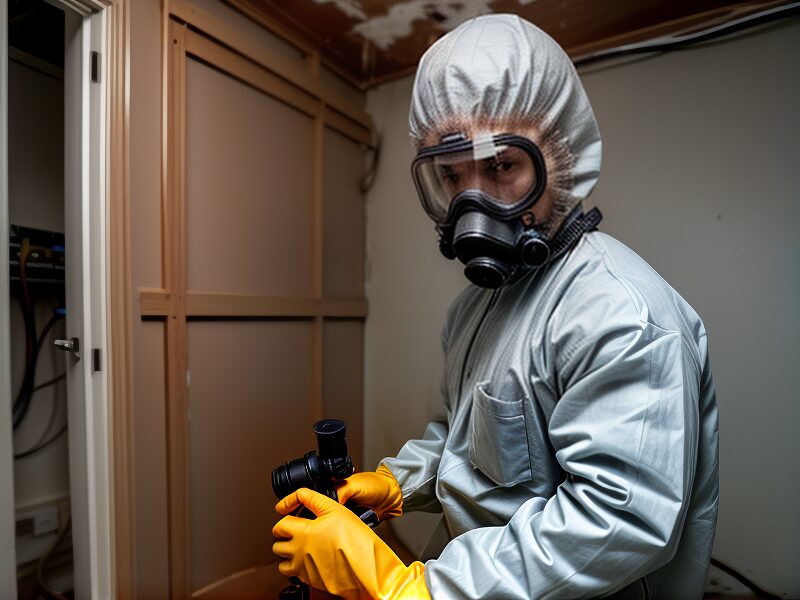
The presence of mold not only affects your property but can also pose significant health risks. Understanding these impacts is the first step to protecting your family and home.
Black Mold Health Risks
Black mold is notorious for its potential health effects. It can trigger respiratory issues, including coughing, sneezing, and asthma attacks. Prolonged exposure can lead to more severe health problems, especially in individuals with existing respiratory conditions. If you suspect mold in your home, it’s crucial to take action quickly. Seeking professional mold removal can help mitigate these risks and protect your family’s health.
High-Risk Building Materials
Certain building materials are more susceptible to mold growth. Materials like drywall, carpet, and wood can absorb moisture and provide a breeding ground for mold. Once mold takes hold, it can compromise the integrity of these materials, leading to structural damage. Replacing affected materials can be costly, so it’s important to address any water damage immediately.
Protecting Property Value
Mold can significantly devalue a property. Visible mold or a history of mold issues can deter potential buyers and lower your home’s market value. Regular inspections and prompt remediation are essential in maintaining your property’s worth. By addressing mold issues swiftly, you can safeguard not only your home’s value but also its safety and comfort.
Effective Response and Prevention
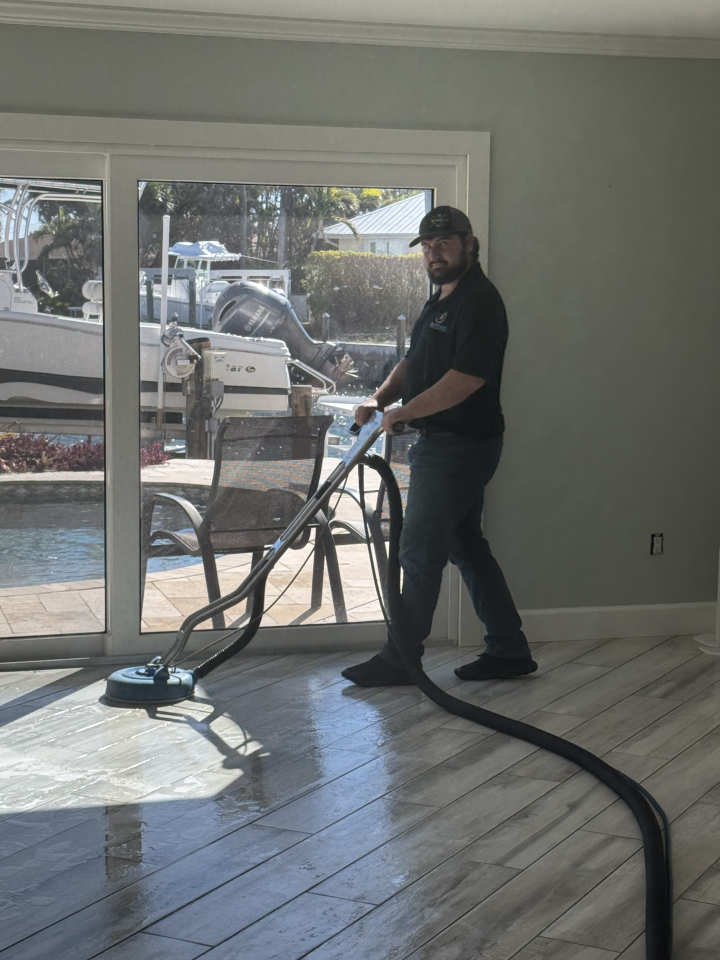
Taking the right steps in response to water damage and mold concerns can make all the difference. Here’s how to act effectively and prevent future issues.
Emergency Water Extraction Florida
When water damage occurs, rapid response is vital. Emergency water extraction services in Florida can help remove standing water quickly, preventing mold from setting in. Professionals use specialized equipment to ensure thorough water removal and drying. Acting fast can prevent further damage and reduce the risk of mold growth.
Mold Testing and Clearance
Testing for mold is a crucial step in addressing any mold concerns. Professional testing can identify the type and extent of mold growth in your home. Once identified, clearance testing ensures that remediation has been successful and your home is safe. This step provides peace of mind and confirms that mold levels are under control.
Mold Prevention Tips Florida
Preventing mold involves controlling moisture levels in your home. Ensure proper ventilation in high-humidity areas like bathrooms and kitchens. Use dehumidifiers to keep indoor humidity below 60%. Regularly inspect your home for leaks or water intrusion. By staying vigilant, you can prevent mold from becoming a problem in the first place.
Frequently Asked Questions
How quickly can mold grow after water damage?
Mold can begin to grow within 24 to 48 hours after water damage occurs. Prompt action is crucial to prevent its spread.
What are the health risks associated with black mold?
Black mold can cause respiratory issues such as coughing, sneezing, and asthma attacks. Prolonged exposure may lead to more severe health problems.
How can I spot hidden moisture in my home?
Look for signs like musty odors, discoloration, or increased allergy symptoms. Professional tools like moisture meters can detect hidden moisture pockets.
Why is mold testing important?
Mold testing identifies the type and extent of mold growth. Clearance testing ensures that remediation has been successful and your home is safe.
What materials are most susceptible to mold?
Materials like drywall, carpet, and wood are more susceptible to mold due to their ability to absorb moisture. Prompt water damage response can prevent mold growth on these materials.