
Hidden moisture after storms can quietly undermine your property’s safety and value. Many Florida homes suffer from unseen water trapped behind walls or under floors, leading to mold growth and structural issues if left unchecked. Understanding how to identify this hidden moisture and act quickly with expert storm damage restoration can protect your investment and keep your indoor air quality safe. Here’s what you need to know to spot trouble fast and ensure thorough drying before problems escalate.
Understanding Hidden Moisture Risks
After a storm has passed, the presence of hidden moisture can be more damaging than you might expect. It affects both your home’s integrity and your family’s health.
Impact on Property and Health
Hidden moisture can lead to severe property damage. When water is trapped, it can cause wooden structures to warp or weaken. Saturated insulation and wet drywall can compromise your home’s stability. Health-wise, moisture creates a breeding ground for mold, which can worsen respiratory issues or trigger allergies. Keeping your indoor air quality in check is crucial for a healthy living space.
Common Sources in Storms
Storms bring heavy rain and wind, which can drive moisture into your home through gaps in roof shingles or around windows. Baseboard swelling and musty odors can signal hidden water. It’s vital to check these areas after a storm to prevent water infiltration from turning into a bigger problem.
Consequences of Ignoring Moisture
Ignoring hidden moisture can lead to long-term damage. Over time, the structural integrity of your home can degrade. Mold prevention becomes more challenging as spores spread behind walls and under floors. The longer moisture sits, the higher the risk for costly repairs and health hazards.
Detecting Moisture After Storms
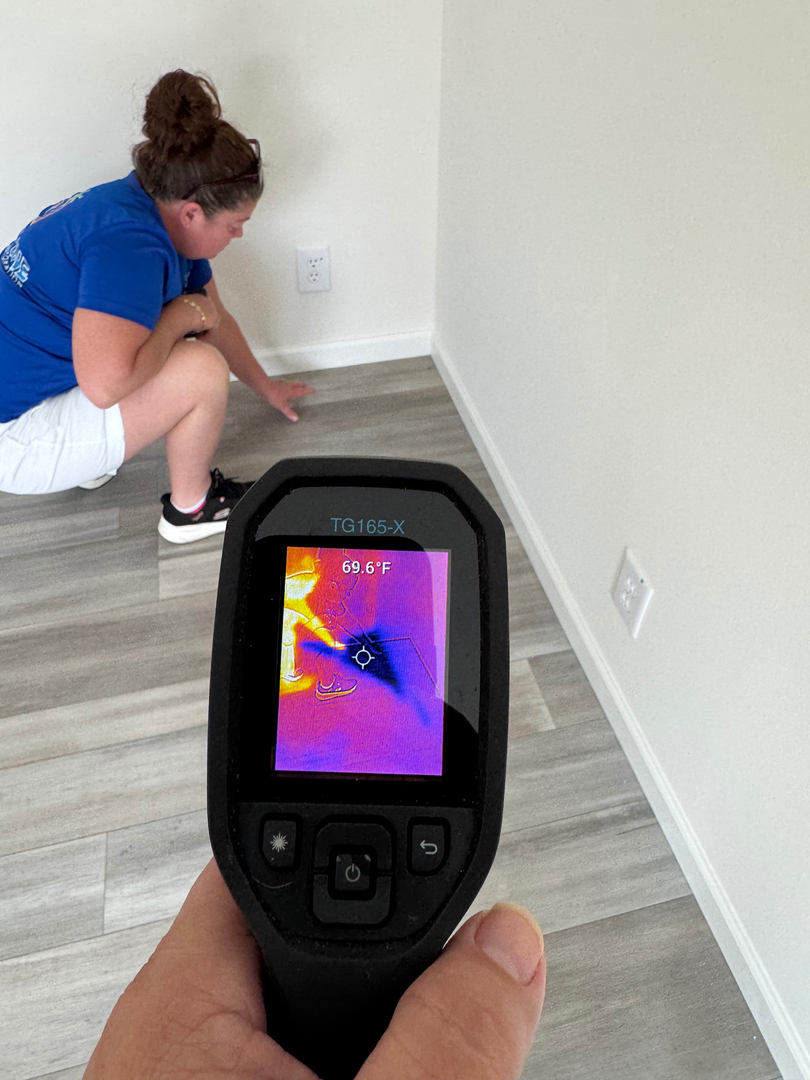
After a storm, detecting hidden moisture quickly helps mitigate damage and reduces repair costs. Knowing the right tools and signs can make all the difference.
Tools: Thermal Imaging and Infrared Cameras
Using thermal imaging inspection and infrared cameras is the most effective way to locate hidden moisture. These tools can detect temperature differences, helping to identify damp areas not visible to the naked eye. By spotting cooler spots, professionals can pinpoint exactly where moisture is hiding, making it easier to address before it causes further damage.
Symptoms: Musty Odors and Wet Drywall
You don’t necessarily need advanced tools to start detecting moisture. Keep an eye (and nose) out for musty odors, as they often signal mold growth. Wet drywall and baseboard swelling are other indicators. If you notice these signs, it’s time to bring in a professional to prevent further issues.
Professional Inspection and Mapping
A thorough moisture mapping conducted by professionals provides a detailed look at where the water has spread. This service ensures all affected areas are identified for comprehensive treatment. Leaving this task to experts ensures precision and helps in documenting for insurance claims support.
Effective Storm Damage Restoration
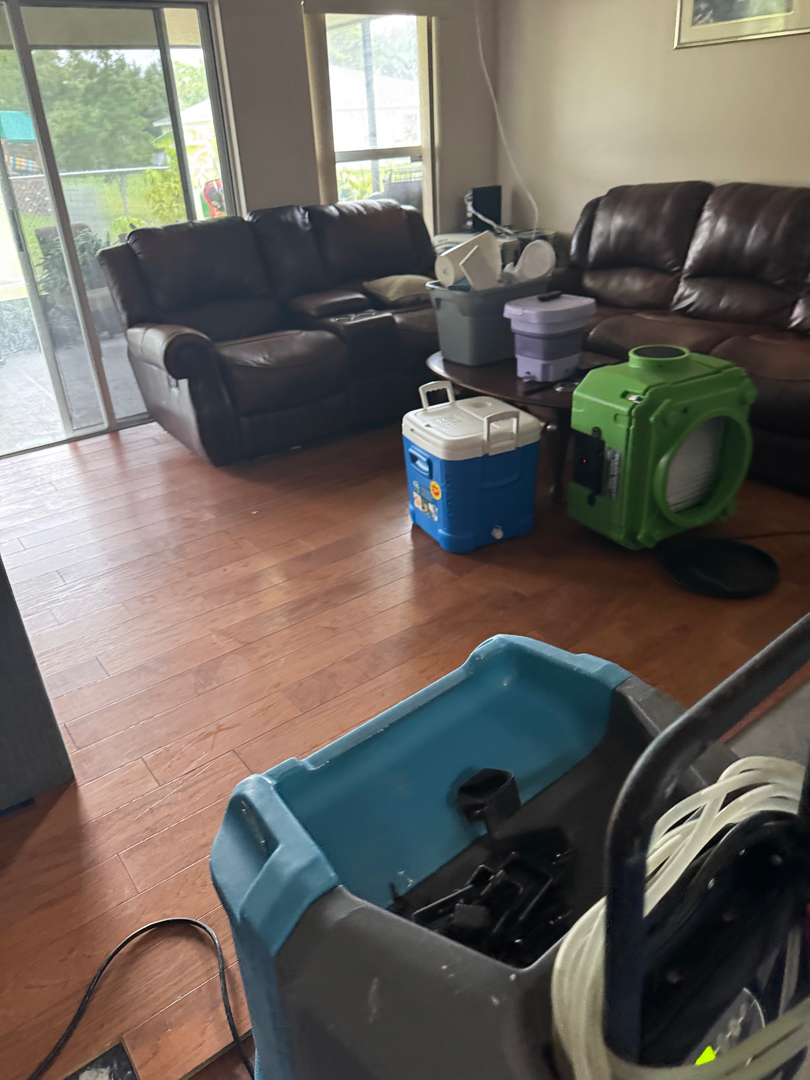
Restoring your home after storm damage requires a series of precise steps to ensure complete recovery and prevent future problems.
Water Extraction and Structural Drying
The first step in effective storm damage restoration is water extraction. This involves removing standing water quickly to prevent further damage. Structural drying follows, using powerful LGR dehumidifiers to eliminate moisture from walls, floors, and other structural components. This process is crucial to stopping mold before it starts.
Dehumidification and Air Scrubbing
Next, dehumidification ensures that all excess moisture is removed from the air, reducing the likelihood of mold growth. HEPA air scrubbers are used to clean the air, removing tiny particles and improving indoor air quality. This step supports a healthier environment by eliminating mold spores and allergens.
Mold Prevention and Insurance Claims Support
Proper treatment includes thorough mold prevention to ensure that no spores remain to cause future issues. Professionals also assist with insurance claims support, providing necessary documentation to help you navigate the claims process smoothly. This ensures you’re covered and can focus on recovering your home efficiently.
Frequently Asked Questions
How can I detect hidden moisture after a storm?
You can look for signs like musty odors, wet drywall, and baseboard swelling. For a precise assessment, consider hiring a professional for a thermal imaging inspection or infrared camera survey.
What tools are used to find moisture after storm damage?
Professionals use thermal imaging and infrared cameras to detect moisture. These tools identify temperature variations, helping to locate hidden water without invasive procedures.
Why is it important to act quickly on hidden moisture?
Mold can begin growing within 24 to 48 hours after moisture exposure. Acting fast prevents mold growth, structural damage, and health risks.
What are the benefits of professional storm damage restoration services?
Professionals offer complete services from water extraction to mold prevention and insurance claims support. They ensure thorough drying and address hidden moisture that might cause future problems.
How does storm damage affect indoor air quality?
Moisture from storm damage can lead to mold growth, negatively impacting indoor air quality. Professional restoration uses HEPA air scrubbers to remove contaminants, ensuring a safer environment.