Hidden moisture in walls and floors is a silent threat to Florida homeowners. It can start small but spread quickly, causing mold growth within 48 hours and structural damage that costs thousands. You’ll learn how to spot early signs like swollen baseboards and musty odors, why Florida humidity worsens the problem, and how professional tools like thermal imaging inspections and moisture meters catch hidden leaks before they escalate.
Understanding Hidden Moisture
Moisture issues in your home can quickly become severe if not addressed promptly. Knowing where this moisture comes from is the first step to preventing damage.
Causes of Moisture in Walls
Moisture in walls often comes from leaks or condensation. Leaky pipes or roofs can allow water to seep into wall spaces. Condensation can occur when warm air inside meets a cold wall, causing water droplets to form. This moisture can lead to mold growth within 24 to 48 hours. Keep an eye out for swollen baseboards and musty odors, which are signs of moisture problems.
Moisture Under Flooring
Flooring, especially wood, is susceptible to moisture. If water seeps under floors, it can cause issues like warped boards or even mold beneath the surface. Common causes include spills, leaks from appliances, or high indoor humidity. Regularly check for any signs such as cupping or discoloration in your floors, as these can indicate hidden moisture.
Florida Humidity Challenges
Florida’s climate is unique; high humidity levels exacerbate moisture problems indoors. Humidity makes it harder for moisture to evaporate, keeping walls and floors damp. This prolonged dampness encourages mold growth and can damage structures over time. Using a dehumidifier can help control indoor humidity levels and prevent these issues.
Risks of Undetected Moisture
Ignoring moisture in your home can lead to serious health and structural problems. Understanding the potential risks will encourage you to take action sooner.
Health and Mold Concerns
Mold thrives in moist environments and can grow quickly if unchecked. It can trigger allergies or worsen asthma symptoms. Hidden mold can also affect indoor air quality, leading to respiratory issues. Addressing moisture problems promptly helps protect your health and maintain a safe living environment.
Structural Damage Risks
Moisture does more than promote mold—it also weakens your home’s structural integrity. Wooden beams and drywall can become soft and rot over time. This damage can be costly, as even minor water issues can escalate, with FEMA noting that just one inch of water can cause up to $25,000 in damage. Early detection is key to preventing these costly repairs.
Early Warning Signs
Spotting early signs of moisture can prevent long-term damage. Look for swollen baseboards, musty odors, and discoloration on walls or ceilings. Keep an eye on floors for any warping or cupping. Recognizing these signs early allows you to address the root cause before it becomes a larger issue.
Professional Detection and Prevention
Professional tools and techniques can effectively identify and manage moisture problems in your home, protecting both your property and health.
Thermal Imaging and Moisture Meters
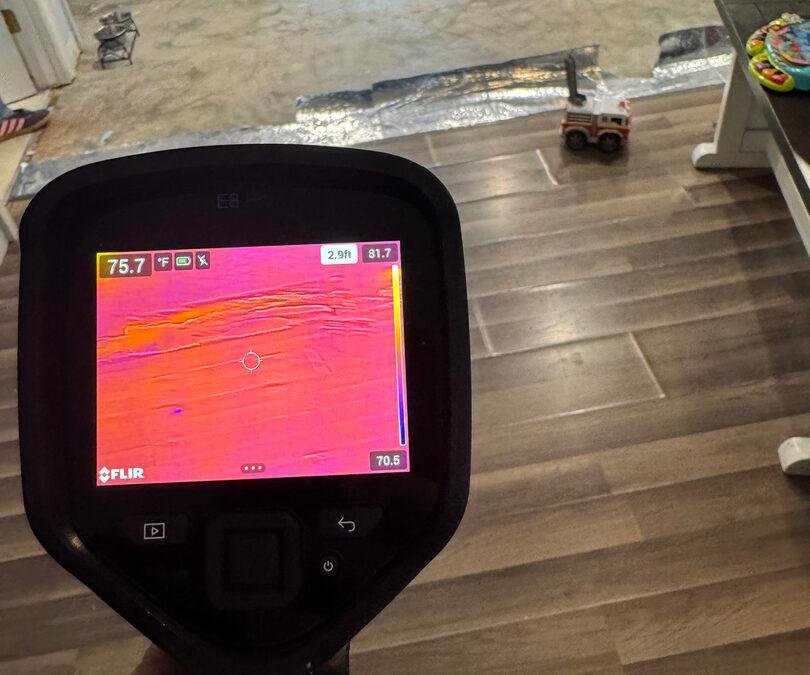
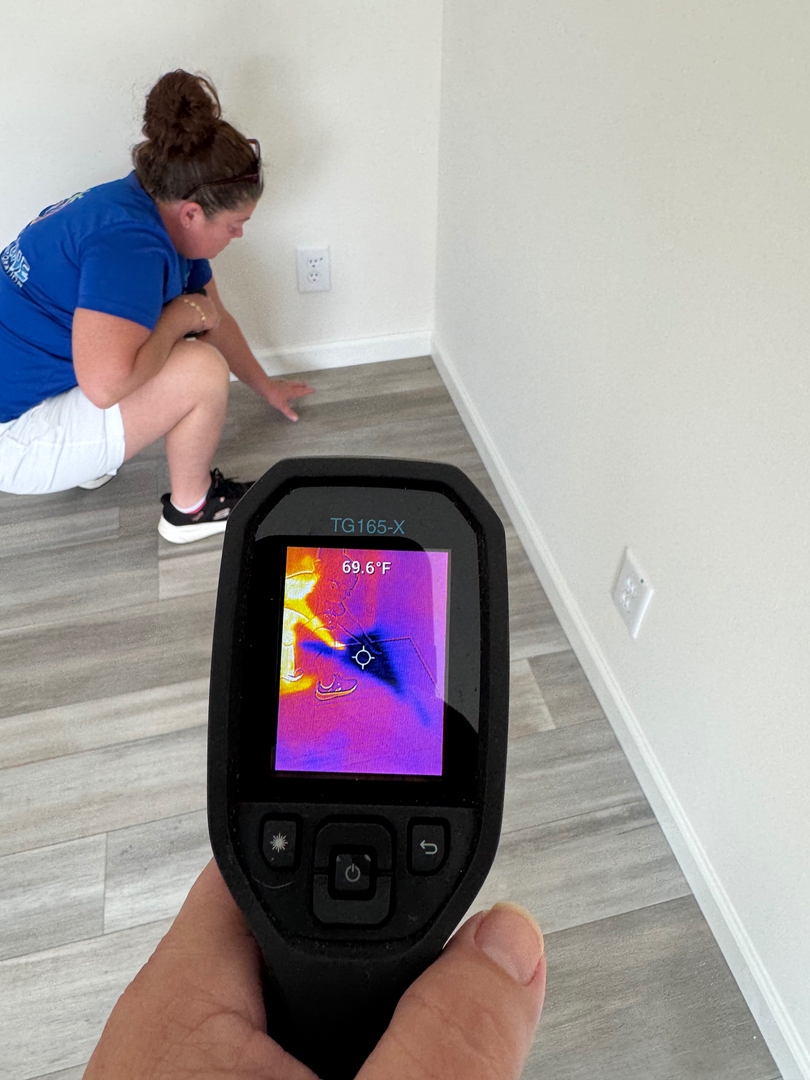
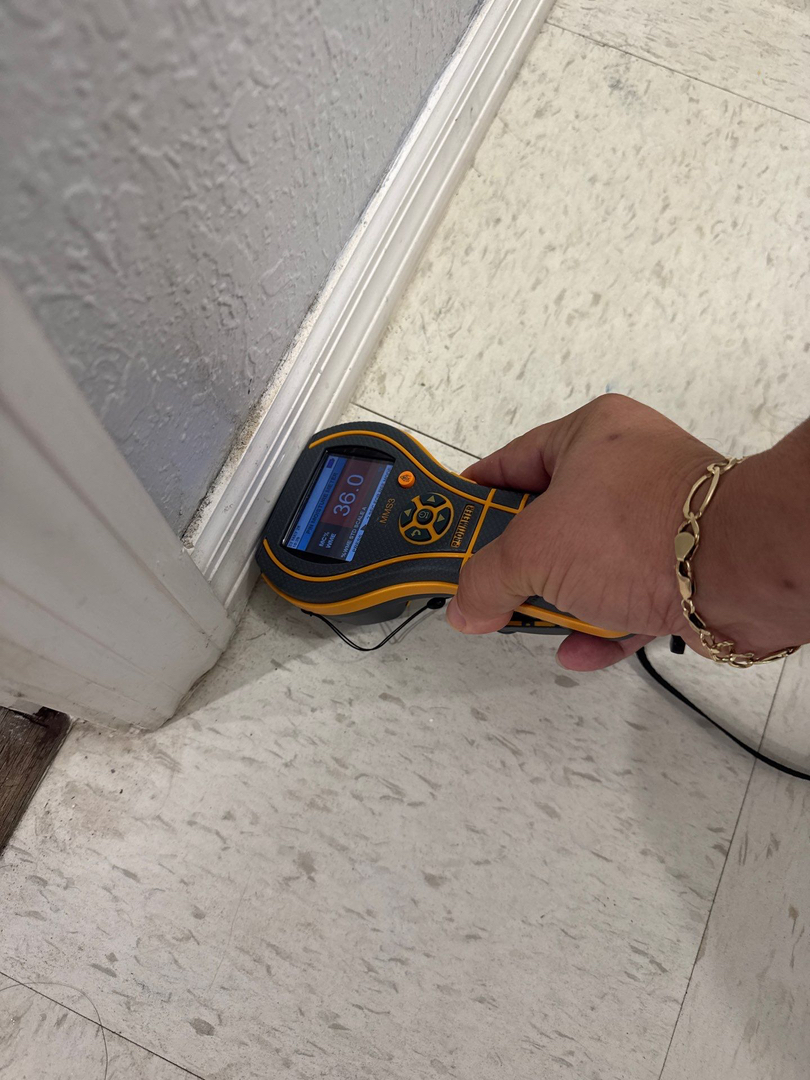
Professional tools like thermal imaging inspections and moisture meters are essential in detecting hidden moisture. These tools identify areas of concern that aren’t visible to the naked eye, allowing for targeted repairs. By using these technologies, you can catch leaks before they escalate into bigger problems, saving time and money.
Effective Structural Drying Techniques
Once moisture is detected, effective drying techniques are crucial. Structural drying involves using specialized equipment like industrial fans and dehumidifiers to remove moisture from walls and floors. This process ensures that all hidden moisture is eliminated, reducing the risk of mold growth and structural damage.
Insurance Claim Documentation Process
If you’ve suffered water damage, documenting the process for insurance claims is vital. Take photos of the affected areas and maintain records of all repairs and communications with service providers. This documentation can assist in processing claims smoothly and ensuring you receive the necessary compensation for repairs.
Frequently Asked Questions
How quickly can mold start growing after water exposure?
Mold can begin growing within 24 to 48 hours after water exposure. It’s crucial to address any water damage immediately to prevent mold growth.
What are the signs of moisture problems in a home?
Common signs include musty odors, swollen baseboards, discoloration on walls or ceilings, and warped or cupping floors. These indicate potential moisture issues that need attention.
Can Florida’s humidity cause moisture problems indoors?
Yes, Florida’s high humidity levels can contribute to indoor moisture issues by slowing down evaporation and keeping surfaces damp, which promotes mold growth.
How does thermal imaging help detect hidden leaks?
Thermal imaging helps identify temperature differences in surfaces, which can indicate the presence of moisture. It allows for accurate detection of leaks that aren’t visible to the naked eye.
What should I do if I discover hidden moisture in my home?
If you discover hidden moisture, it’s important to take immediate action. Contact a professional restoration service to assess the situation and develop a plan for drying and repairs.