
When water, mold, or fire damage strikes your Florida property, choosing the right restoration company can save you time, money, and stress. Mold can start growing within 48 hours after water exposure, making a quick, qualified response critical. This guide walks you through a 10-point checklist to verify certifications, response times, safety standards, and insurance support so you can make confident decisions fast. Keep reading to learn how All In One Cleaning & Restoration FL stands ready to protect your home and health.
Key Factors in Choosing a Restoration Company
Choosing the right restoration partner is crucial for efficient recovery. Here’s a concise checklist to guide your decision.
Verify IICRC Certifications and Licensing
Ensure any restoration company you consider is IICRC certified. This certification guarantees that technicians are trained to industry standards, focusing on quality and safety. A licensed company offers peace of mind, assuring you of legal compliance and professionalism. Before hiring, ask for proof of certification and licensing. This step ensures you’re working with qualified experts who know local regulations.
Assess 24/7 Emergency Response Capabilities
In emergencies, every minute counts. A restoration company should offer 24/7 emergency services. Quick response minimizes damage and reduces costs. Ask about their average response time and ensure they have a dedicated team ready to act immediately. Time-sensitive situations like water damage require prompt action to prevent mold growth, so prioritize companies with proven rapid response records.
Evaluate Insurance Claims Support
Navigating insurance claims can be daunting. A good restoration company assists with this process, ensuring smooth communication between you and your insurer. Check if they offer direct insurance billing. This service simplifies the claims process, helping you focus on recovery rather than paperwork. A company experienced in working with insurance can expedite your claim, ensuring you get the coverage you deserve.
Essential Services for Damage Restoration
Understanding essential restoration services helps you ensure comprehensive property recovery. Here’s what to expect.
Importance of Water Extraction and Drying
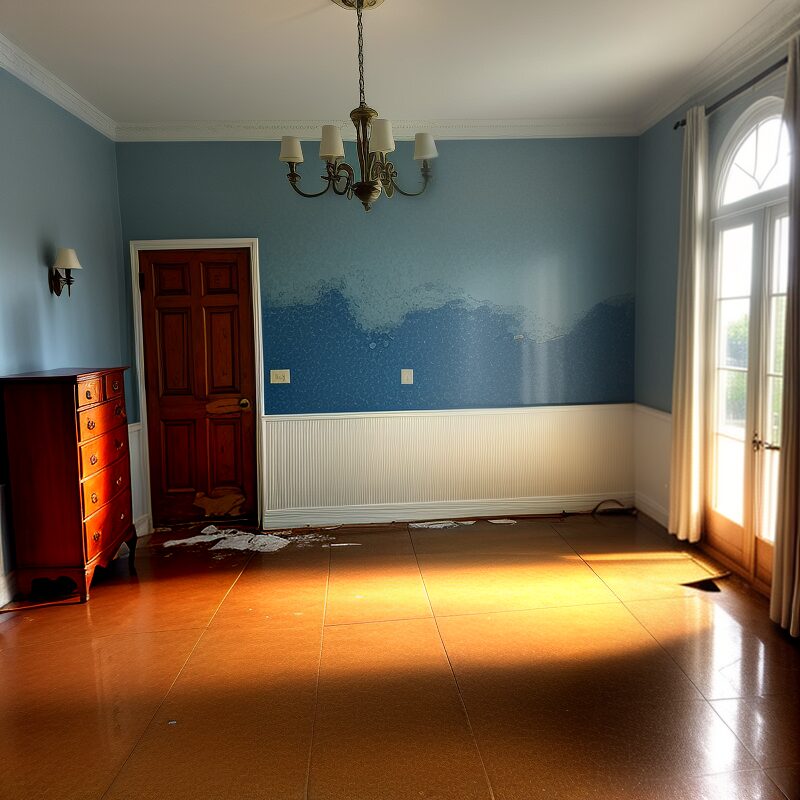
Water extraction is the first crucial step in damage control. Quick removal of standing water prevents further deterioration and mold development. Professional drying methods, like dehumidification, eliminate moisture effectively. This process halts potential damage to structural elements and furnishings. Look for companies equipped with advanced water extraction tools to ensure thorough drying.
Mold Testing and Remediation Insights
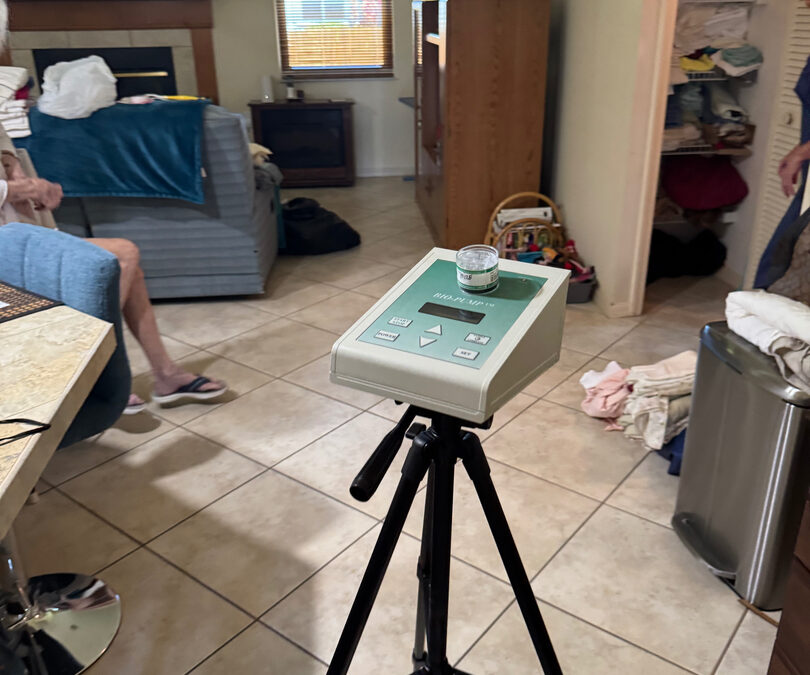
Mold can grow rapidly after water exposure, posing health risks. Testing identifies mold types and contamination levels. Remediation involves safely removing mold to prevent recurrence. A professional service uses specialized equipment and techniques to ensure complete mold removal. This protects indoor air quality and prevents future health issues. Opt for services offering comprehensive testing and remediation solutions.
Effective Smoke and Soot Cleanup Techniques
Fire damage leaves behind smoke and soot, which can be harmful. Proper cleanup involves removing these residues from surfaces and the air. Advanced methods like thermal fogging and ozone treatments neutralize odors and contaminants. Professionals use these techniques to restore indoor air quality and cleanliness. Choose a company skilled in these methods to ensure your home is safe and habitable post-fire.
Advanced Tools and Safety Protocols
Using the right tools and protocols boosts restoration efficiency and safety. Here’s what to look for.
Benefits of Thermal Imaging Moisture Detection
Thermal imaging helps detect hidden moisture in walls, floors, and ceilings. This technology identifies damp spots that might not be visible, preventing mold growth and structural damage. By pinpointing moisture sources, it ensures thorough drying and remediation. Opt for restoration services that use thermal imaging for accurate moisture assessment.
Role of HEPA Air Filtration and Negative Air Containment
HEPA filtration captures airborne particles, improving air quality during restoration. Negative air containment prevents contamination spread by isolating affected areas. These methods protect your health and the integrity of unaffected spaces. Ensure your chosen company employs these techniques to maintain a safe restoration environment.
Ensuring Safety with Structural Drying Experts
Experienced professionals ensure effective structural drying, crucial for preserving your property’s integrity. They use specialized equipment to dry structural components without causing further damage. This expertise minimizes risks of future mold growth and structural weakness. Choose companies with skilled structural drying experts for reliable restoration outcomes.
Frequently Asked Questions
What does IICRC certification mean for restoration services?
IICRC certification indicates that a restoration company adheres to industry standards for quality and safety. It ensures technicians are well-trained and knowledgeable about the latest restoration techniques.
Why is 24/7 emergency response important?
Rapid response is crucial because damage can worsen quickly, especially with water intrusion. A company offering 24/7 services can mitigate damage promptly, saving time and costs.
How does mold remediation improve indoor air quality?
Mold remediation removes mold spores that can contaminate the air, reducing health risks such as allergies and respiratory issues. This process ensures a cleaner, safer indoor environment.
What technologies help detect hidden moisture?
Thermal imaging is a key technology used to detect hidden moisture. It identifies damp areas not visible to the naked eye, ensuring thorough drying and preventing mold growth.
Why is HEPA filtration important during restoration?
HEPA filtration is essential to capture airborne particles, including mold spores and soot, improving air quality and preventing the spread of contaminants during restoration.