Mold often hides where you least expect it, especially in Florida’s humid climate. Ignoring a pre-repair mold inspection can lead to costly delays and health risks from hidden mold growth. This checklist will help you recognize clear signs that mold testing Florida properties require before any repairs begin, protecting your home and simplifying insurance documentation for mold claims.
Recognizing Mold Indicators
Start by identifying the subtle signs of mold. This can save you from bigger problems later. Recognizing these indicators early is key to maintaining a healthy home environment.
Musty Odors and Hidden Mold
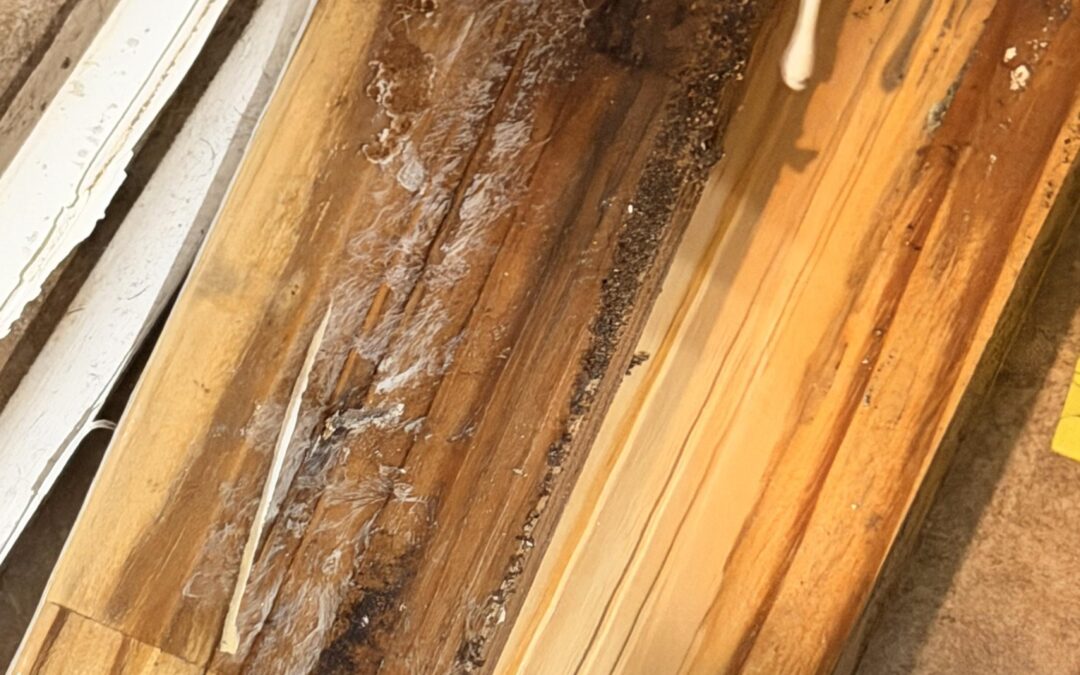
A musty smell is often the first sign of hidden mold. It’s not just an unpleasant odor, but a warning. This smell could mean mold is growing where you can’t see it. Mold often hides behind walls, under carpets, or in crawl spaces. If you detect this smell, consider it a signal to investigate further. You might not see mold immediately, but that doesn’t mean it’s not there.
Hidden mold can cause health issues, especially for those with allergies or respiratory conditions. Ignoring a musty odor can lead to severe health problems over time. If you notice this smell, it’s wise to seek professional help to assess the situation. Early detection and removal can prevent costly repairs later on.
Water Damage and Mold Growth
Water damage is a strong indicator that mold might be present. Mold can start growing within 24 to 48 hours after water exposure. This quick growth period means any water damage should be addressed immediately. Look for signs like discoloration on walls or ceilings, as these often accompany mold growth.
Ignoring water damage invites mold to spread. This can compromise the structural integrity of your home. It can also create an unhealthy living environment. Addressing water damage promptly helps prevent mold from taking hold and causing further issues.
Florida Humidity and Mold Risks
Florida’s climate is a breeding ground for mold. High humidity levels create ideal conditions for mold to thrive. Homes in Florida often struggle with excess moisture, which can lead to mold growth in unexpected places. Regular checks are essential to manage humidity and prevent mold.
Investing in dehumidifiers can help control indoor moisture levels. These devices are particularly useful during Florida’s rainy seasons. Keeping humidity in check reduces mold risks and protects your home from potential damage.
Effective Mold Testing Strategies

Once you’ve identified potential mold indicators, the next step is effective testing. Choosing the right strategy ensures comprehensive detection and peace of mind.
Pre-Repair Mold Inspection Essentials
A thorough inspection before repairs start is crucial. It helps identify mold problems that could complicate restoration efforts. Pre-repair inspections assess the extent of mold presence. This step lays the groundwork for effective remediation strategies.
Conducting these inspections before repairs prevents hidden mold from going undetected. It also provides a clear picture of what’s needed for complete removal. This proactive approach can save you time and money in the long run.
Indoor Air Quality Testing Benefits
Testing indoor air quality is a vital part of mold detection. This process identifies airborne spores that may not be visible. Indoor air quality testing ensures your home’s air is safe to breathe. It’s especially important for those with respiratory issues.
The benefits of this testing extend beyond mold detection. It can also identify other airborne pollutants, enhancing overall air quality. Regular testing keeps your home safe and healthy for everyone inside.
Moisture Mapping and Thermal Imaging
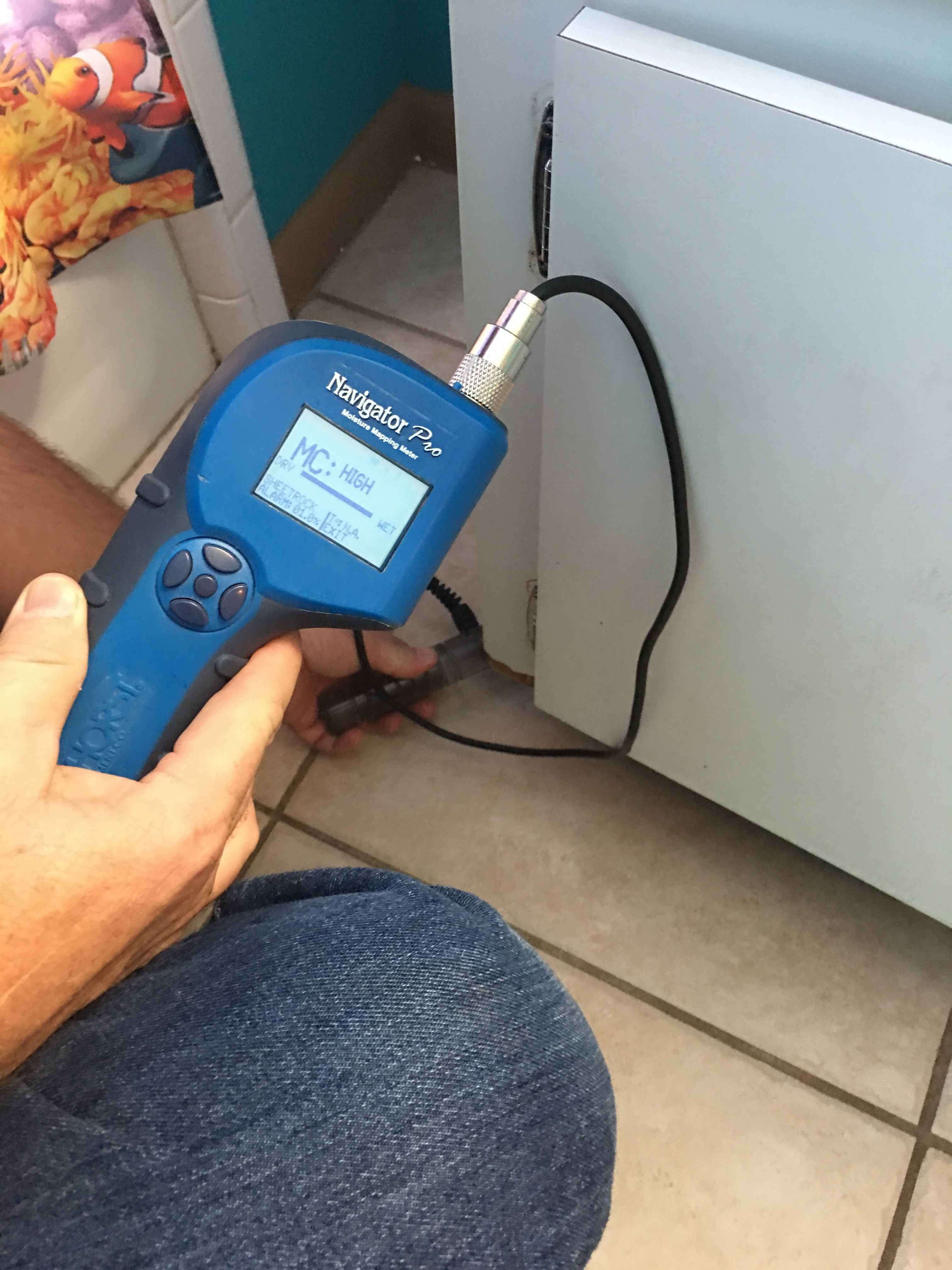
Advanced techniques like moisture mapping and thermal imaging offer deeper insights. These methods pinpoint areas of moisture that could harbor mold. Moisture mapping identifies wet areas in walls and floors, while thermal imaging detects temperature variations that indicate moisture.
These tools provide a comprehensive view of potential problem areas. They help ensure thorough mold detection, even in hard-to-reach places. Incorporating these techniques into your inspection process maximizes detection accuracy.
Choosing the Right Mold Testing Provider
Selecting the right provider for mold testing can make all the difference. A qualified provider ensures accurate results and effective remediation.
Importance of IICRC Certification
Look for providers with IICRC certification. This certification indicates adherence to industry standards. IICRC-certified professionals are trained to handle complex mold issues effectively. Their expertise ensures thorough and accurate testing.
Certification is a mark of quality in the restoration industry. Choosing certified professionals provides confidence in the testing process and results. It guarantees that the provider uses the latest techniques and follows best practices.
Comprehensive Air and Surface Sampling
A comprehensive approach includes both air and surface sampling. Air sampling detects airborne spores, while surface sampling identifies mold on visible areas. Combining both methods ensures a complete assessment. It leaves no stone unturned in the detection process.
This thorough approach prevents mold from being missed. It enables targeted remediation strategies that address all affected areas. Comprehensive sampling is a key component of effective mold testing.
Insurance Documentation for Mold Claims
Proper documentation is critical for insurance claims. Accurate records of mold testing and remediation support your claims process. These documents provide evidence of the extent of mold damage and the necessary actions taken.
Having detailed documentation streamlines the claims process. It ensures you receive the coverage you’re entitled to for mold-related damages. Proper documentation protects your interests and aids in a smooth resolution.
Frequently Asked Questions
What are common signs of mold in a home?
Common signs include musty odors, visible mold growth, and water damage. Mold can also cause health symptoms like allergies and respiratory issues.
Why is Florida prone to mold growth?
Florida’s high humidity and frequent rainfall create ideal conditions for mold. Moisture-rich environments promote rapid mold growth.
What is the purpose of indoor air quality testing?
Indoor air quality testing identifies airborne spores and pollutants. It ensures the air in your home is safe to breathe and free from harmful contaminants.
How does IICRC certification impact mold testing?
IICRC certification ensures adherence to industry standards. Certified professionals provide thorough and effective mold testing and remediation.
Why is documentation important for mold insurance claims?
Documentation supports your insurance claims by providing evidence of mold damage. It helps ensure you receive the necessary coverage for remediation.