
Mold can spread within 48 hours after water damage, turning a small problem into a costly health hazard. When you choose professional mold remediation, you’re not just removing visible mold—you’re following a precise process designed to protect your home’s structure and your family’s health. This step-by-step guide, based on IICRC S520 standards, explains why every part of the process matters and how expert mold removal services in Florida keep your indoor air quality safe and your property secure.
Professional Mold Remediation Steps
When it comes to dealing with mold, each stage of remediation plays a crucial role in ensuring your home is safe and sound. Let’s dive into the key steps that make up a successful mold remediation process.
Mold Inspection and Testing
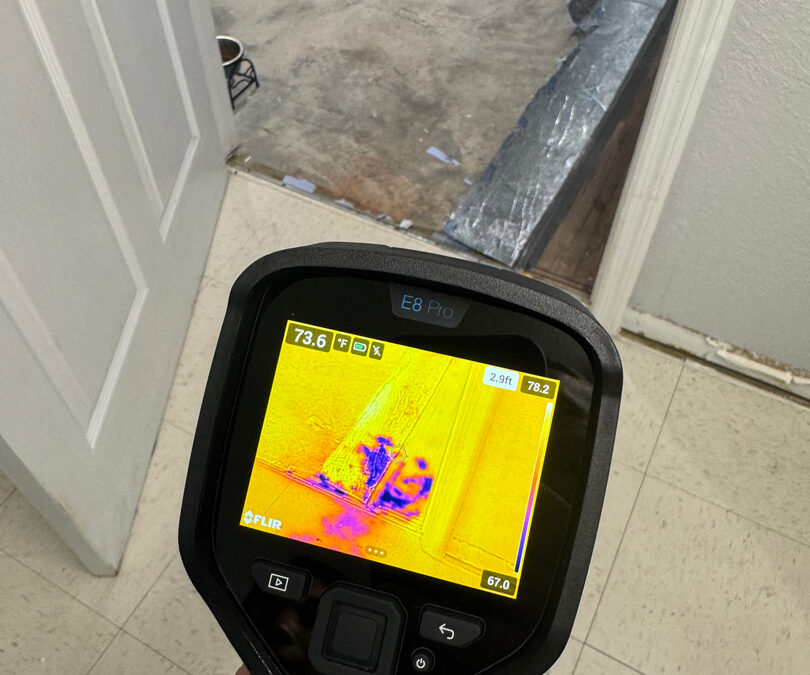
The first step in any professional mold remediation is a thorough inspection and testing of the affected areas. This involves identifying visible mold and conducting tests to determine the type and extent of mold growth. Technicians often use moisture mapping to find hidden damp spots that might encourage mold. Understanding the full scope of the problem is essential for crafting an effective remediation plan.
Once the inspection is complete, testing helps in assessing spore count and determining the severity of the situation. This data is crucial for deciding the best approach for removal and ensuring the safety of your home. By having a clear picture, you can avoid unnecessary work and focus on what truly needs attention.
Containment and Negative Air
After gathering all necessary information, the next step is to contain the mold to prevent it from spreading to unaffected areas. This involves setting up barriers and using negative air pressure machines. These machines help in capturing mold spores in the air, ensuring they don’t travel to other parts of your home.
Containment is not just about sealing off rooms; it’s about creating a safe work environment. Negative air machines work by drawing air from the contained area and filtering it through HEPA filters, which are designed to capture fine particles, including mold spores. This step is vital in protecting your family and maintaining indoor air quality.
Essential Tools and Techniques
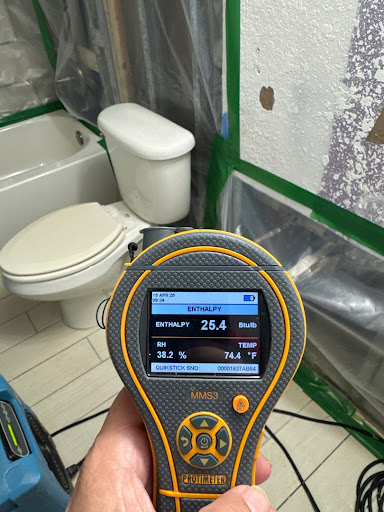
Once the mold is contained, it’s time to bring out the tools and techniques that ensure a thorough cleanup. These tools are designed to effectively eliminate mold and prevent future outbreaks.
HEPA Air Filtration and Scrubbers
HEPA air filtration is a cornerstone of mold remediation. These filters are capable of trapping extremely small particles, ensuring that any airborne spores are captured and removed from the environment. Air scrubbers are employed to continuously clean the air during the remediation process, maintaining a safe space for technicians and homeowners alike.
The use of air scrubbers extends beyond just removing spores; it helps in improving overall indoor air quality. This is particularly important in homes where family members have allergies or respiratory issues. By using these advanced tools, you ensure that your home is not only mold-free but also healthier to live in.
Safe Mold Material Removal
Once the air is clean, professionals move to safely remove affected materials. This includes removing drywall, insulation, or any other materials that have been compromised by mold. It’s important to remove these materials carefully to avoid releasing more spores into the air.
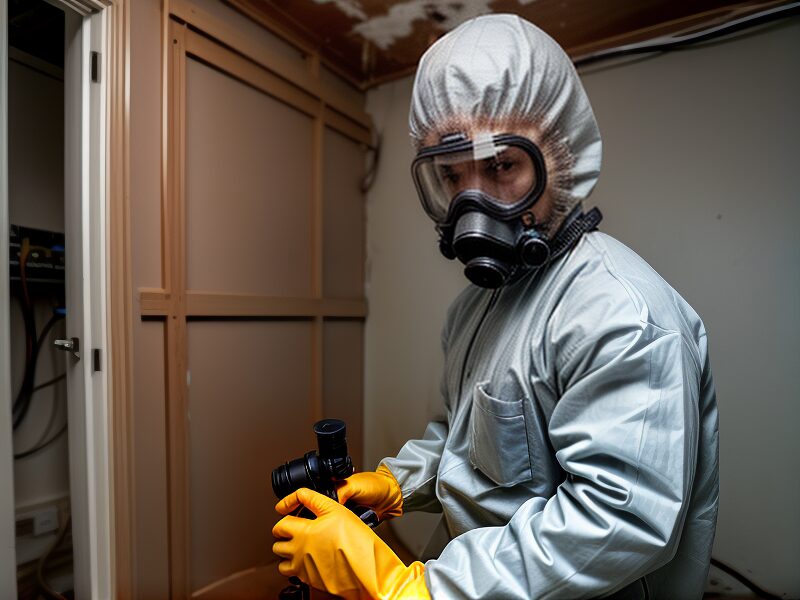
Safe removal means using protective gear and tools specially designed for handling mold. This step is crucial in preventing the recurrence of mold and ensuring that all traces are eliminated. By focusing on safe removal, you protect your home’s structure and your family’s health.
Ensuring Health and Safety
The final steps in the remediation process ensure that your home is not only mold-free but also safe for everyone.
Importance of EPA-Registered Antimicrobial
To effectively eliminate mold, professionals use EPA-registered antimicrobial treatments. These treatments kill remaining mold spores and prevent future growth. They’re applied to cleaned surfaces to ensure that mold does not return.
Using these products is critical for long-term protection against mold. They provide a layer of defense in areas prone to moisture, ensuring that mold doesn’t have a chance to reestablish itself. This step gives you peace of mind knowing your home is protected.
Post-Remediation Verification and Clearance Testing
The last step is post-remediation verification and clearance testing. This involves inspecting the area again to ensure all mold has been removed. Clearance testing confirms that the spore levels are within safe limits and that the space is ready for use.
Verification is crucial to confirm that the remediation was successful. It provides a final check to ensure that all steps were effective and that your home is safe to return to. By completing this step, you can be confident that the mold problem has been resolved and your home is safe.
Frequently Asked Questions
What is the first step in professional mold remediation?
The first step is a detailed mold inspection and testing to assess the extent of the mold problem. This involves identifying visible mold, conducting spore count tests, and using moisture mapping to detect hidden damp areas.
How does containment work in mold remediation?
Containment involves setting up barriers and using negative air pressure to prevent mold spores from spreading to other parts of the home. This ensures that the remediation process is confined to specific areas, maintaining safety throughout your home.
Why are HEPA filters important in mold remediation?
HEPA filters trap tiny mold spores and other particles in the air, ensuring that the air remains clean during and after remediation. This is crucial for maintaining good indoor air quality and preventing mold from spreading.
How are affected materials safely removed during mold remediation?
Affected materials are carefully removed using protective gear and specialized tools to prevent spores from becoming airborne. This ensures that all mold is thoroughly eliminated without risking further contamination.
What is the role of antimicrobial treatments in mold remediation?
Antimicrobial treatments are used to kill remaining mold spores and prevent future growth. These EPA-registered products create a protective barrier on cleaned surfaces, ensuring long-term mold prevention.