
Mold in your Florida property can spread faster than you expect, putting your health and investment at risk. The key to safe, effective Florida mold remediation lies in following the IICRC S520 standard—a precise mold removal step by step process that ensures no corners are cut. This guide walks you through each stage, from initial assessment and containment to post-remediation verification, so you know exactly what to expect and when to call for expert help.
Understanding Mold Remediation
Mold issues can quickly become a severe problem if not addressed correctly. The process of mold remediation is crucial to ensure the health and safety of the property and its inhabitants.
Importance of Mold Remediation
Mold remediation is vital for maintaining a safe and healthy living environment. Mold can start growing within 24 to 48 hours after water damage, making prompt action essential. Not only can mold damage structures, but it also poses health risks, especially to those with respiratory issues. Proper remediation helps protect your property investment and your family’s well-being.
IICRC S520 Compliance Explained
Compliance with the IICRC S520 standard ensures that mold remediation is carried out effectively and safely. This standard outlines a professional approach to removing mold, focusing on methods that prevent further contamination. Following these guidelines guarantees that the process is thorough, protecting both the property and its occupants.
Mold Inspection vs Remediation
It’s crucial to understand the difference between mold inspection and remediation. Inspection identifies the presence and extent of mold, while remediation involves the actual cleanup and removal process. Both steps are necessary to ensure comprehensive mold management.
Step-by-Step Mold Removal
Following a structured approach to mold removal ensures thorough cleanup and prevents future issues. This section details the essential steps in the mold remediation process.
Initial Assessment and Moisture Mapping
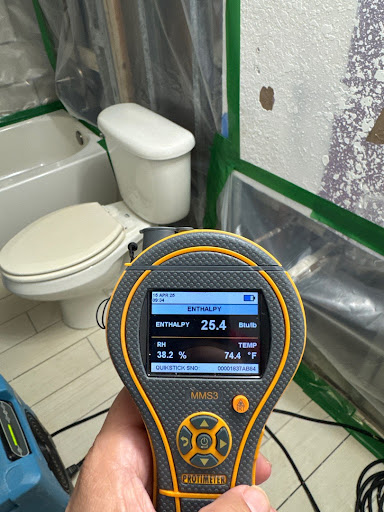
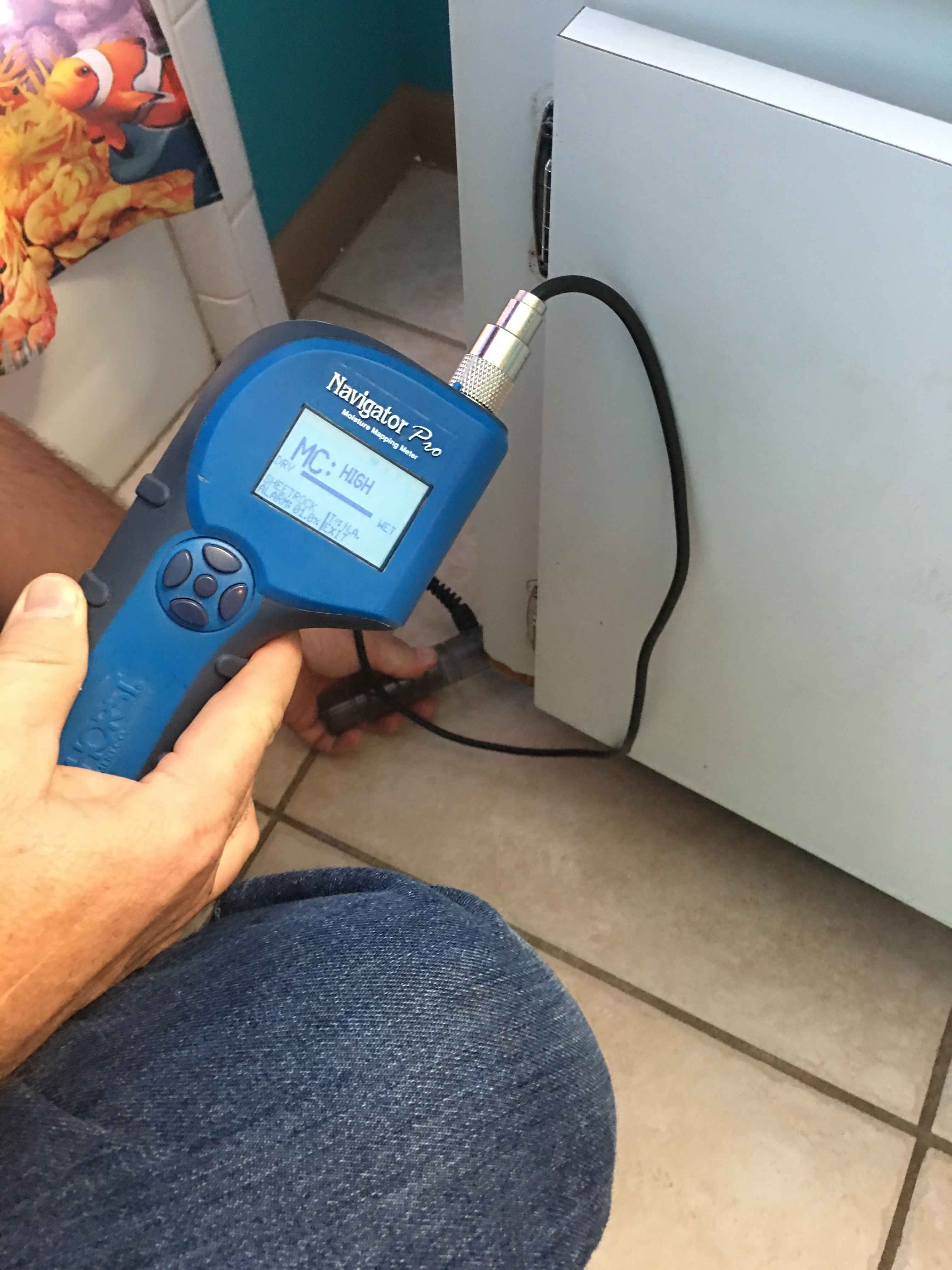
The first step in mold removal is assessing the extent of the problem. Technicians conduct a thorough inspection, using tools like moisture mapping and thermal imaging to detect hidden mold and moisture. Identifying these areas is critical to formulating an effective removal plan.
Containment and Negative Air Control
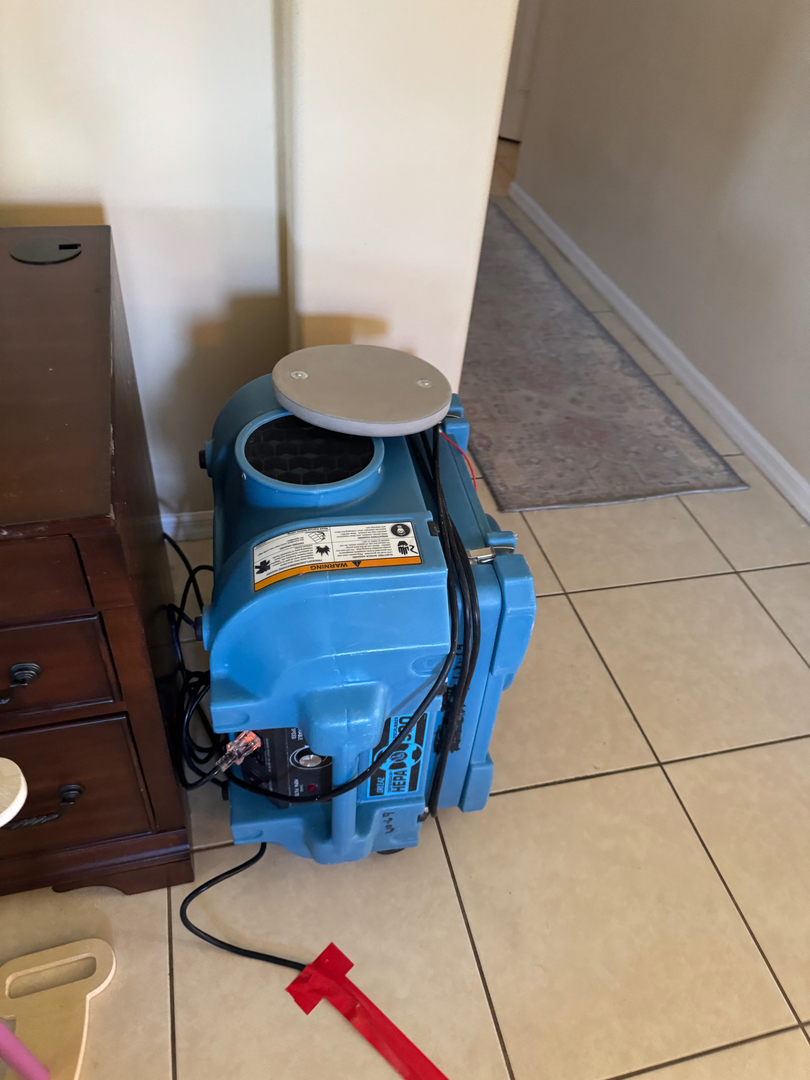
Containing the affected area is essential to prevent mold spores from spreading. By establishing physical barriers and using negative air control, professionals ensure containment. This step protects unaffected parts of the property and begins the cleanup process safely.
Mold Removal and Cleanup Process
The actual removal of mold involves using specialized equipment and techniques. HEPA vacuuming and EPA-registered antimicrobials are commonly used to remove mold and disinfect surfaces. Cleaning must be meticulous to ensure no spores are left behind, which could lead to future growth.
Ensuring a Safe and Effective Cleanup
Ensuring that cleanup is both safe and effective is a top priority in mold remediation. This section discusses the critical steps to verify successful remediation and prevent future mold issues.
Post-Remediation Verification (PRV) Clearance
After the cleanup, a post-remediation verification (PRV) clearance is necessary. This involves testing the air and surfaces to confirm that all mold has been effectively removed. PRV clearance provides peace of mind that the property is safe for reoccupancy.
Importance of Independent Mold Assessor Florida
Hiring an independent mold assessor ensures an unbiased evaluation of the remediation process. This expert checks that all procedures were followed correctly and that no mold remains, providing an additional layer of assurance.
Preventative Measures and Humidity Control Florida
Taking preventative measures is crucial to avoid future mold problems. Controlling humidity is a key factor; maintaining indoor humidity below 60% can prevent mold from taking hold. Regular inspections and prompt response to leaks also help in keeping your property mold-free.
Frequently Asked Questions
What is the difference between mold inspection and mold remediation?
Mold inspection involves assessing the presence and extent of mold, while remediation is the process of removing and cleaning the mold.
Why is IICRC S520 compliance important?
Compliance with the IICRC S520 standard ensures that mold remediation is performed safely and effectively, protecting both property and health.
How quickly can mold start to grow after water damage?
Mold can begin to grow within 24 to 48 hours after water damage, making immediate action crucial.
What role does humidity control play in mold prevention?
Controlling indoor humidity levels below 60% is vital to prevent mold growth, as mold thrives in moist environments.
Why should you hire an independent mold assessor?
An independent mold assessor provides an unbiased evaluation of the remediation process, ensuring that it was completed thoroughly and no mold remains.