
Spot It Before It Spreads: A Florida Guide to Finding Hidden Water Damage Early
Hidden water damage is the silent threat lurking in many Florida homes, often unnoticed until costly repairs become unavoidable. Signs of water damage like peeling paint, musty odors, or buckling floors may seem minor but signal deeper issues that can escalate quickly. This guide will help you spot early warning signs, perform simple checks, and understand when to call professionals so you can protect your property and health before problems spread.
Identifying Hidden Water Damage
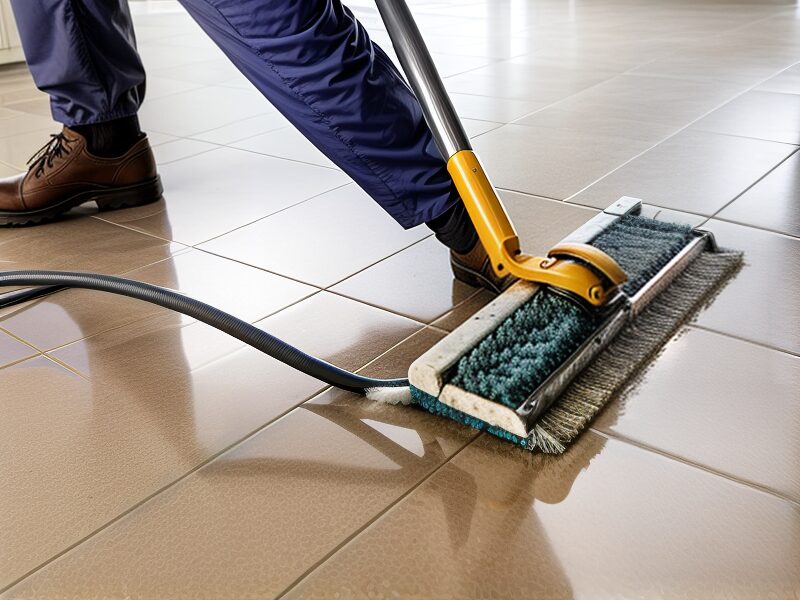
When it comes to keeping your home safe, spotting hidden water issues early is crucial. Let’s explore the telltale signs that could save you from future headaches.
Signs of Water Damage in Florida
Florida’s climate often leads to specific water damage indicators. Look out for discoloration on walls or ceilings. A brownish stain might mean water has seeped through. You could also find soft spots on walls or floors, indicating trapped moisture. These signs are not just cosmetic. They can point to serious problems like leaks or structural weakening.
Also, check your windows and doors. If they stick or don’t close properly, it might be due to swelling from moisture. These are signals your home is trying to give you. Ignoring them can lead to expensive repairs.
Musty Odor in House
A musty smell in your home can be more than just unpleasant. It often hints at hidden water issues. This odor typically comes from mold or mildew, which thrive in damp environments. If you notice this smell in areas like basements or bathrooms, it’s time to investigate further.
Start by checking for visible mold. It can appear as black or green spots. Mold not only damages your home but can also affect your health, causing allergies or respiratory issues. So, addressing the source of the smell is important.
Rising Water Bills and Leaks
Have you noticed a sudden spike in your water bill? This could mean a hidden leak. Leaks waste water and can cause damage over time. Check for damp spots on your floors or walls. A small leak can quickly become a bigger problem.
Inspect your water meter. Turn off all water sources, then see if the meter is still running. If it is, you likely have a leak. Catching it early can prevent major repairs and save you money.
DIY Checks for Early Detection
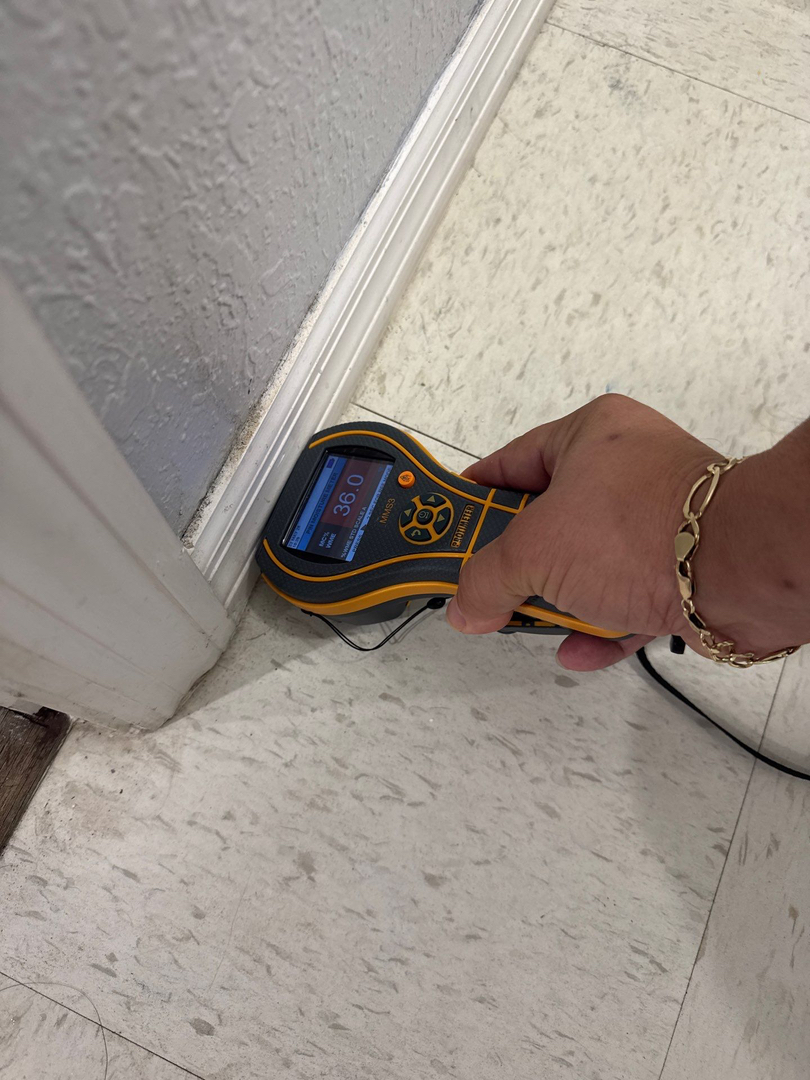
Before calling in professionals, there are simple checks you can do yourself. These steps can help you catch issues early and keep your home safe.
Using a Moisture Meter
A moisture meter is a handy tool for detecting hidden water damage. It measures moisture levels in various materials. To use it, press the device against the wall or floor where you suspect moisture. If the reading is higher than normal, you might have a problem.
This tool can be particularly useful in basements or near pipes. Regular checks with a moisture meter can alert you to issues before they become major concerns. It’s a small investment that can save you from costly repairs.
Thermal Imaging Leak Detection
Thermal imaging is another effective way to find hidden water damage. This method uses infrared cameras to detect temperature differences. Wet areas often appear cooler on the camera, making it easier to spot leaks.
Thermal imaging can help you see behind walls or under floors without invasive measures. It’s a precise way to identify problems, especially in hard-to-reach areas. Detecting leaks early with this method can help avoid extensive damage to your home.
Checking for Peeling Paint and Buckling Floors
Peeling paint is more than an eyesore. It can indicate water has seeped into the walls. Check around windows, doors, and ceilings. If you find peeling paint, it’s time to investigate further. This could be a sign of a hidden leak.
Buckling floors are another red flag. Floors that warp or lift often mean water has collected underneath. This can lead to rot or mold. Don’t ignore these signs. Addressing them early can prevent more extensive damage down the line.
When to Call the Professionals
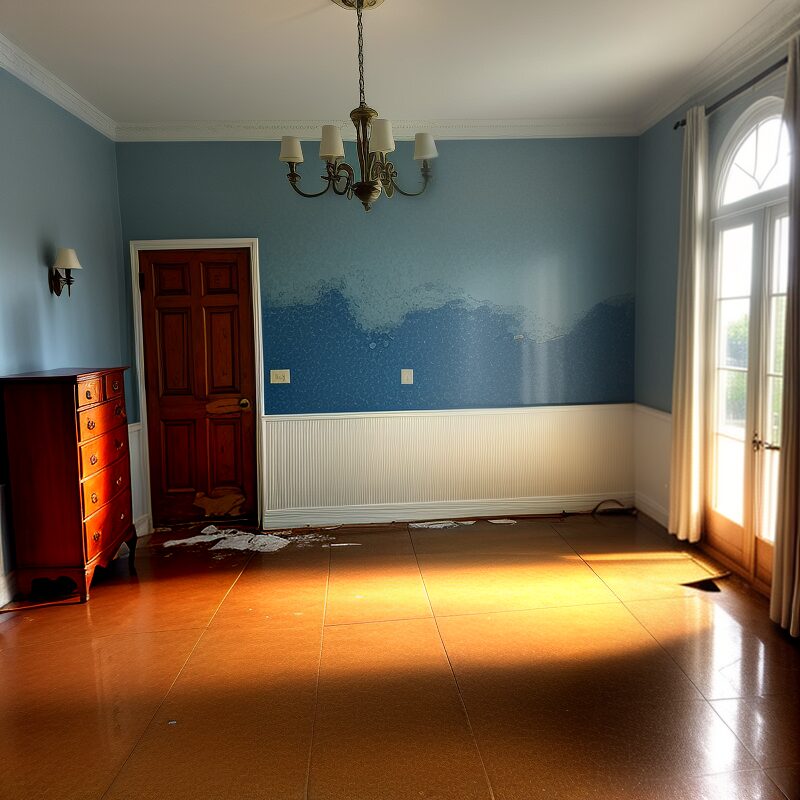
Sometimes, spotting water damage requires expert help. Knowing when to call in the professionals can make a big difference in protecting your home.
Benefits of IICRC Certification
Choosing a restoration company with IICRC certification ensures quality service. The IICRC sets the standard for water damage restoration. Certified technicians have the training to handle complex situations. This means they can accurately assess damage and implement effective solutions.
Working with certified professionals gives you peace of mind. You can trust they’re using the best practices to restore your home. This certification is a testament to their expertise in water damage mitigation.
Emergency Water Removal Services
In cases of severe water damage, swift action is crucial. Emergency water removal services can prevent further damage by quickly extracting water. This is especially important to avoid mold growth and structural issues.
These services typically operate 24/7, ensuring help is just a call away. They use advanced equipment to remove water efficiently and safely. Relying on professionals during emergencies can save you from costly repairs and long-term damage.
Moisture Mapping and Mitigation Solutions
For comprehensive water damage solutions, moisture mapping is essential. This process involves creating a detailed map of moisture levels throughout your home. It helps identify all affected areas, ensuring nothing is overlooked.
Once the mapping is complete, mitigation solutions can be tailored to your specific needs. This could include drying, dehumidification, or repairs. Professionals have the expertise to implement these solutions effectively, ensuring your home is fully restored.
By staying vigilant and addressing signs early, you can protect your Florida home from hidden water damage. Remember, professional help is always available when you need it. Keep your home safe and your peace of mind intact.