
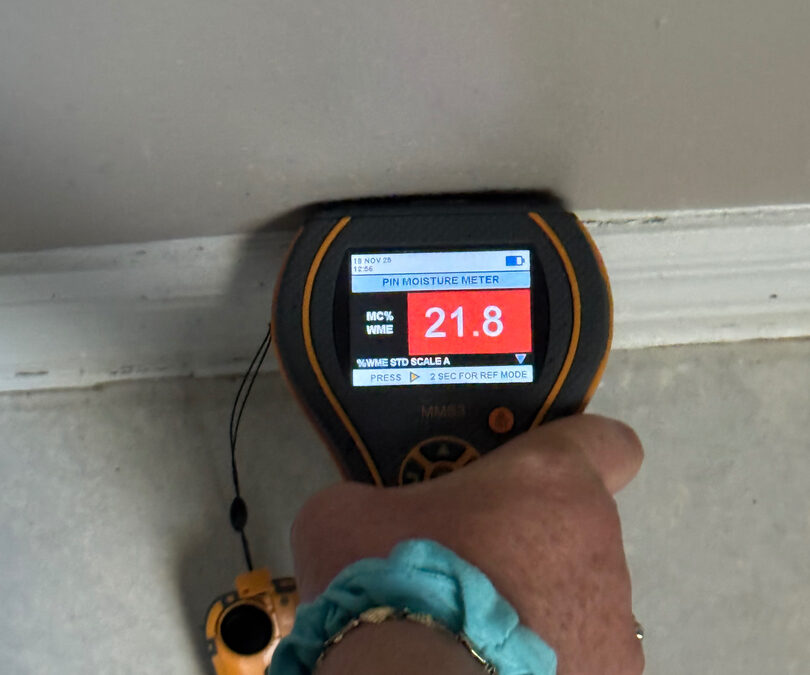
Hidden water damage often starts quietly, lurking behind walls or under floors where you can’t see it. Ignoring early signs like bubbling paint, musty odor, or warped baseboards can lead to costly repairs and health risks down the line. This guide will help you identify those subtle clues of hidden moisture so you can take action before it becomes a major restoration issue.
Recognizing Hidden Moisture
Spotting moisture issues early can save you time and money. Not only does it prevent costly repairs, but it also keeps your home safe and healthy. Let’s dive into some telltale signs.
Musty Odor Detection
A musty smell is often the first hint of hidden water damage. This odor occurs when moisture gets trapped and mold starts to grow. You might not see the mold, but if you smell something damp and earthy, it’s time to investigate.
Walk through your home and take note of any unusual smells, especially in basements, attics, or behind walls. Pay close attention to areas near plumbing fixtures and appliances. If the smell is persistent, consider calling a professional to pinpoint the source.
Spotting Bubbling and Peeling Paint
Bubbling or peeling paint is a clear indicator of excess moisture. When water seeps into walls, it causes paint to lose its adhesion. Check for bubbles or flakes on walls and ceilings, especially in bathrooms or kitchens.
If you notice paint issues, touch the area lightly. If it’s soft or damp, moisture is likely trapped beneath. This could be due to a leak or high humidity levels. Addressing this early prevents larger problems like mold growth or structural damage.
Identifying Wall Discoloration and Warping
Discoloration and warping are signs that water has been present long enough to cause damage. Look for stains or patches that appear darker in color. These areas might also feel soft or spongy to the touch.
Walls that warp or bulge indicate severe moisture issues. This can happen when water collects behind the surface, pushing it outwards. If you spot these signs, act quickly, as they can lead to significant structural issues if left untreated.
Tools for Early Detection
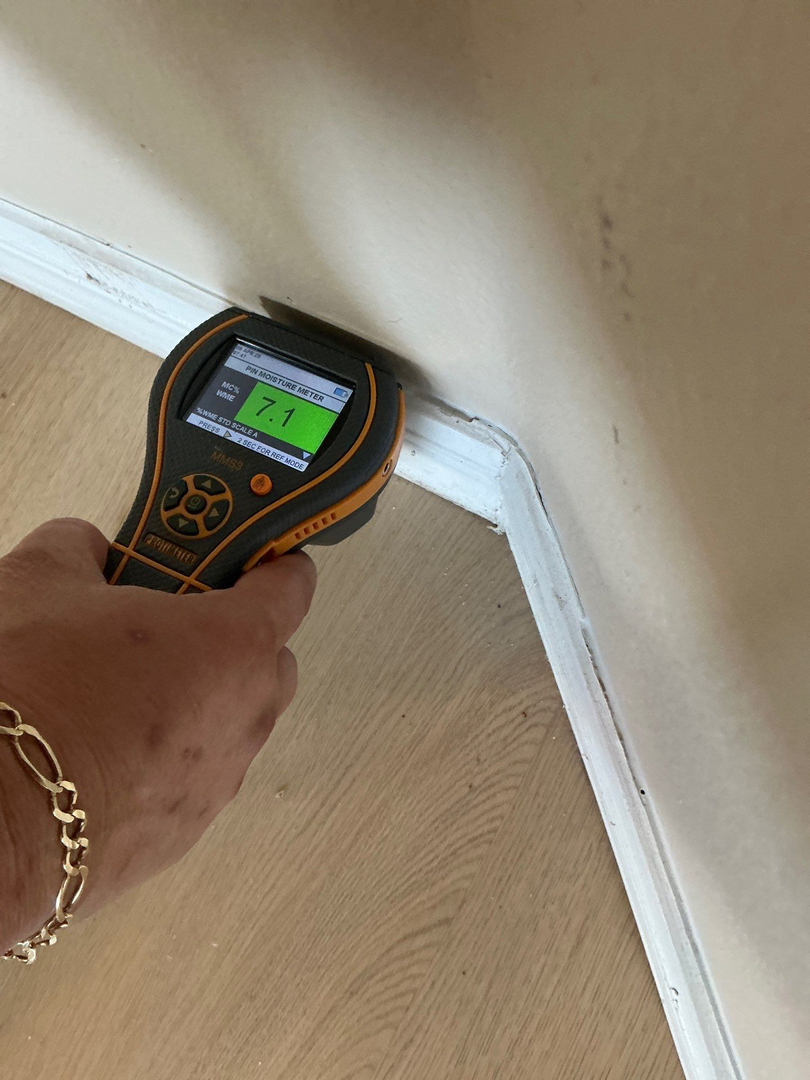
Detecting hidden moisture doesn’t have to be a guessing game. With the right tools, you can identify issues before they escalate. Here’s how technology can help.
Using a Moisture Meter
A moisture meter is an invaluable tool for detecting hidden water damage. It measures the moisture content in materials, helping you identify problem areas.
Simply press the device against walls, floors, or ceilings. If readings are above normal, it’s a sign that water is present. Regular checks with a moisture meter can prevent minor moisture problems from turning into major headaches.
Benefits of Thermal Imaging
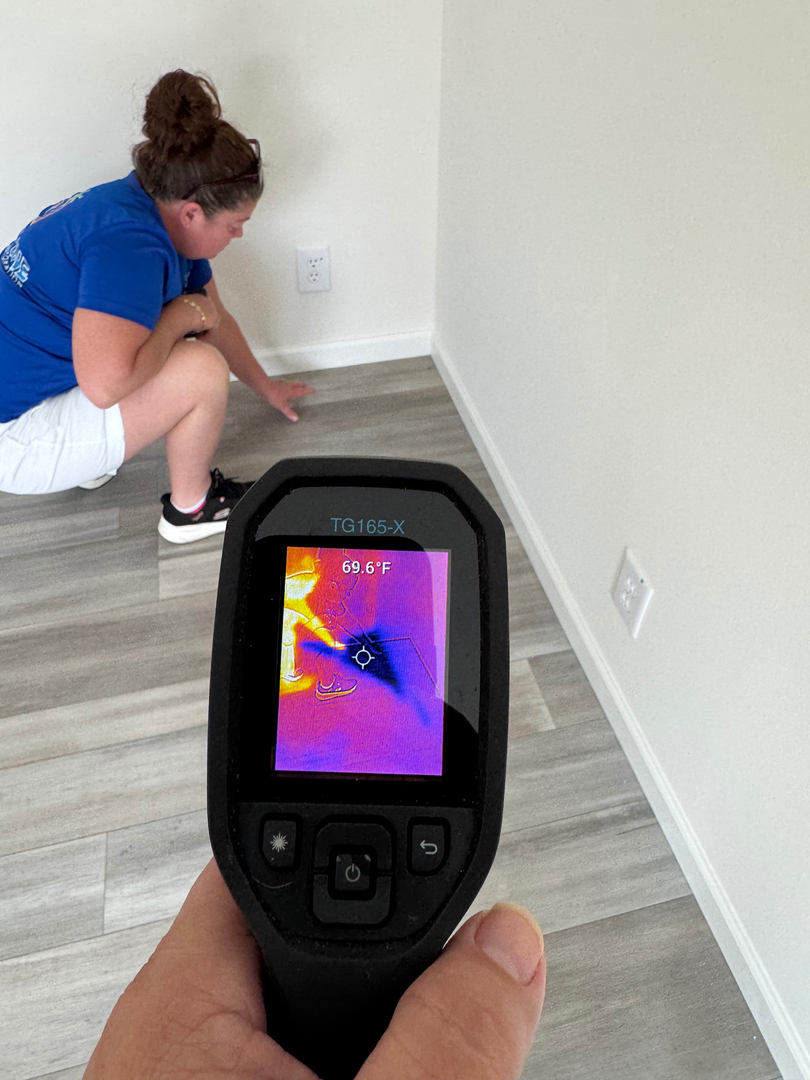
Thermal imaging devices detect temperature differences, revealing hidden moisture areas. They show cooler spots where water collects, providing a clear picture of moisture issues.
These devices are non-invasive and can scan large areas quickly. They are particularly useful for inspecting large spaces like attics or basements. Investing in thermal imaging can help you catch moisture problems before they become serious.
Infrared Camera Inspection Techniques
Infrared cameras are another effective tool in moisture detection. They work by capturing infrared radiation, highlighting temperature differences that indicate moisture presence.
Use the camera to scan suspected areas. Look for cool spots, which are potential moisture zones. Infrared cameras offer a detailed view, allowing you to address moisture issues promptly and accurately.
Effective Moisture Mitigation
Addressing moisture problems quickly is crucial to prevent further damage and health risks. Here’s how to tackle them effectively.
Structural Drying and Dehumidification
Structural drying is a key step in moisture remediation. It involves removing moisture from materials using specialized equipment. Dehumidifiers help reduce overall humidity levels, preventing mold growth and further damage.
Place dehumidifiers in affected areas and monitor humidity levels. Combine this with fans and air movers to speed up the drying process. Proper drying ensures that moisture doesn’t linger, reducing the risk of future problems.
Mold Prevention and Remediation in Florida
Florida’s humid climate makes mold prevention critical. To keep mold at bay, ensure your home is well-ventilated and dry. Fix leaks promptly and control indoor humidity with dehumidifiers.
If mold is already present, professional remediation is necessary. Experts will remove mold safely and restore affected areas. Addressing mold promptly protects your health and prevents extensive damage.
Importance of Professional Leak Detection
Professional leak detection is essential for identifying hidden water sources. Experts use advanced tools to detect leaks that might be invisible to the naked eye.
Regular inspections can prevent small leaks from becoming major issues. Professionals will identify the source and recommend the best course of action. This proactive approach saves you time, money, and stress in the long run.
Frequently Asked Questions
What are the first signs of hidden moisture damage?
The initial signs often include a musty odor, bubbling or peeling paint, and wall discoloration or warping. These indicators suggest that moisture is present, possibly leading to mold growth or structural issues.
How does a moisture meter work?
A moisture meter measures the moisture content in various materials, helping you detect hidden water damage. By pressing the device against surfaces, you get a reading that indicates whether moisture levels are above normal.
Why is thermal imaging useful for detecting moisture?
Thermal imaging reveals temperature differences that indicate moisture presence. This non-invasive method helps identify problem areas quickly, allowing you to address issues before they become severe.
What should I do if I notice mold in my home?
If mold is present, seek professional remediation. Experts will safely remove the mold and restore affected areas, protecting your health and preventing further damage.
How can I prevent moisture problems in Florida?
Prevent moisture issues by ensuring proper ventilation and controlling humidity levels. Fix leaks promptly and use dehumidifiers to keep indoor air dry and healthy. Regular professional inspections can also help catch problems early.