
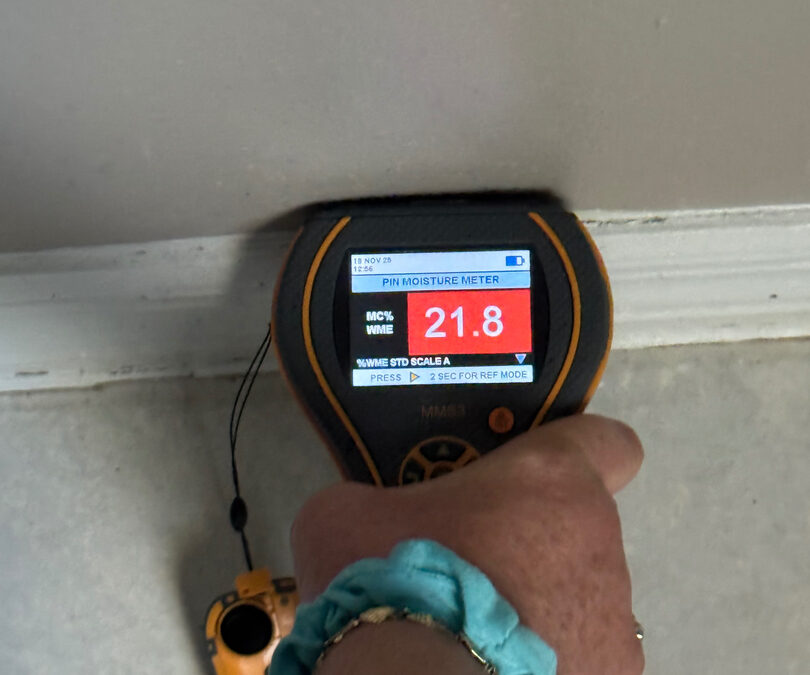
The Hidden Health Risks of Mold in Florida Homes—and How to Protect Your Family
Florida’s high humidity creates the perfect conditions for mold to thrive, often without homeowners noticing until health problems arise. Exposure to mold, especially black mold Stachybotrys, can trigger serious symptoms that affect your family’s well-being and indoor air quality. In this guide, you’ll learn how to spot the signs of mold in Florida homes and take practical steps to protect your loved ones from hidden health risks.
Understanding Mold Risks in Florida
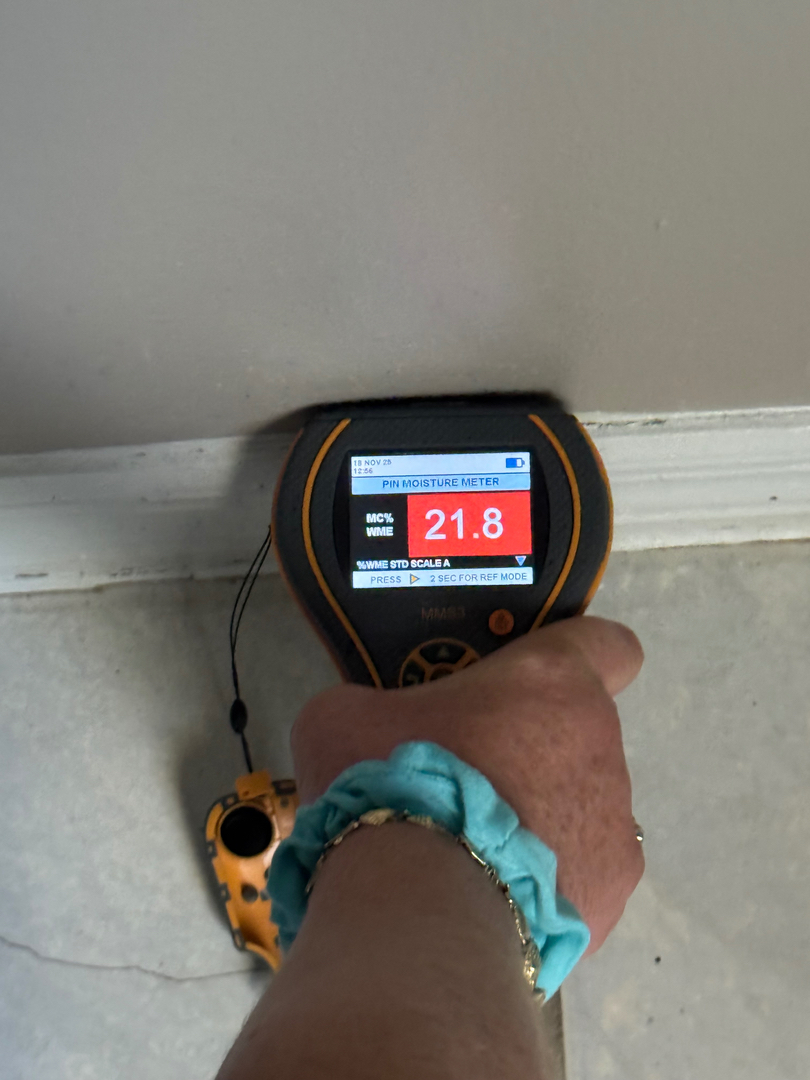
Living in Florida means dealing with high humidity, which can lead to hidden dangers like mold. Mold isn’t just unsightly; it can pose serious health risks to you and your family.
Florida Mold Health Risks
Mold exposure can lead to a range of health issues. For some, it might cause mild irritations, while others can experience severe symptoms. Common problems include sneezing, coughing, and eye irritation. In more serious cases, it can lead to asthma attacks or chronic sinus infections. Black mold Stachybotrys is particularly concerning. It can produce toxins that affect human health. Protecting yourself means understanding these risks and addressing mold problems quickly.
Most people believe mold is just an inconvenience, but it’s essential to recognize it as a health threat. This awareness is your first step in safeguarding your family. You might even be surprised by how fast mold can spread in humid conditions, making it crucial to act swiftly.
Humidity and Mold Growth
Florida’s climate is a breeding ground for mold. The constant moisture in the air provides the perfect environment for mold spores to grow. When moisture mixes with organic materials like wood or drywall, mold has everything it needs to thrive.
Simple activities, such as cooking or showering, can add to indoor humidity. Without proper ventilation, this moisture lingers, creating an ideal habitat for mold. Dehumidification services can be a game-changer, helping to maintain a dry environment and prevent mold proliferation.
The longer you wait to address humidity, the more mold grows behind the scenes. By understanding this, you can take proactive steps to keep your home mold-free and healthy.
Recognizing Mold in Your Home
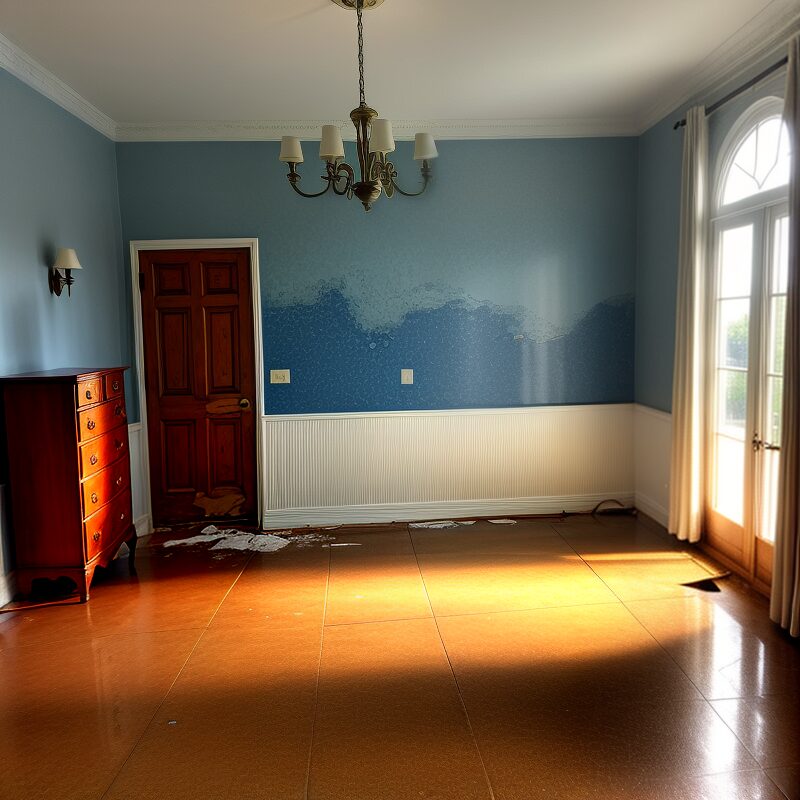
Spotting mold early can save you a lot of trouble down the road. But what should you look for? Recognizing the signs is your first defense against potential health hazards.
Signs of Mold in Florida Homes
Mold often lurks in hidden places. You might notice a musty odor first, a telltale sign that mold could be present. Check for discolored spots on walls or ceilings, as these can indicate mold growth beneath the surface.
Pay attention to areas prone to dampness, like bathrooms and basements. Mold can also appear in places you wouldn’t expect, like behind wallpaper or under carpets. If you spot any unusual stains or smells, it’s time to investigate further.
Florida homeowners often assume mold is easy to spot, but it can be sneaky. Being vigilant and conducting regular checks can prevent a minor issue from becoming a major health concern.
Mold Exposure Symptoms
Mold doesn’t just impact your home; it affects your health too. Symptoms can vary widely, from mild irritations like sneezing or a runny nose to more severe reactions, including difficulty breathing or skin rashes.
If you notice these symptoms worsening at home and improving when away, mold might be the culprit. Children, the elderly, and individuals with weakened immune systems are particularly vulnerable. Keeping an eye on these symptoms is crucial for early detection and intervention.
Most people don’t realize that mold exposure can mimic other common illnesses. By understanding these symptoms, you can take the necessary steps to protect your health and seek professional help if needed.
Protecting Your Family and Home
Once you recognize mold, the next step is action. Protecting your home and family involves effective remediation and consistent prevention practices.
Effective Mold Remediation in Florida
When it comes to mold removal, it’s vital to choose experts. Mold remediation in Florida requires a specialized approach, given the climate challenges. Professionals use advanced techniques like HEPA air filtration and negative air containment to ensure thorough mold removal.
Choosing a licensed mold assessor can make a significant difference. They will conduct a detailed inspection, identify the mold type, and determine the best remediation approach. This ensures that mold is eliminated, and your home remains safe for your family.
Many homeowners think DIY solutions are sufficient, but professional help provides a comprehensive solution. Trusting experts ensures that hidden mold is addressed, offering peace of mind.
Steps for Prevention and Remediation
Prevention starts with controlling moisture. Regular maintenance, like checking for leaks and using dehumidifiers, can prevent mold growth. Good ventilation is also key, so ensure your home has adequate airflow, especially in humid areas.
For remediation, follow these steps:
-
Identify the Source: Find and fix the source of moisture.
-
Clean and Disinfect: Use mold-killing products on non-porous surfaces.
-
Remove and Replace: Dispose of affected materials like drywall or carpeting.
-
Monitor and Maintain: Regularly check for mold and maintain low humidity.
In conclusion, understanding and addressing mold risks is crucial for maintaining a healthy home. By recognizing mold, knowing its symptoms, and taking proactive steps, you can protect your family from potential health threats. Remember, acting quickly is the key to a mold-free home.
https://allinonecleaningrestoration.com/blog/