A damp smell after water damage cleanup can linger far longer than you expect. Many homeowners and property managers in Florida face this frustrating problem even after thorough drying and cleaning. That persistent musty odor often signals hidden moisture or overlooked areas that need expert attention. In this post, you’ll learn how to pinpoint the root causes and take targeted steps like moisture mapping and air quality testing to clear the air quickly and safely.
Identifying Lingering Odor Causes
Understanding why damp smells persist in your home is crucial. It helps you tackle the root issues effectively. Let’s explore some common causes.
Hidden Moisture Source Detection
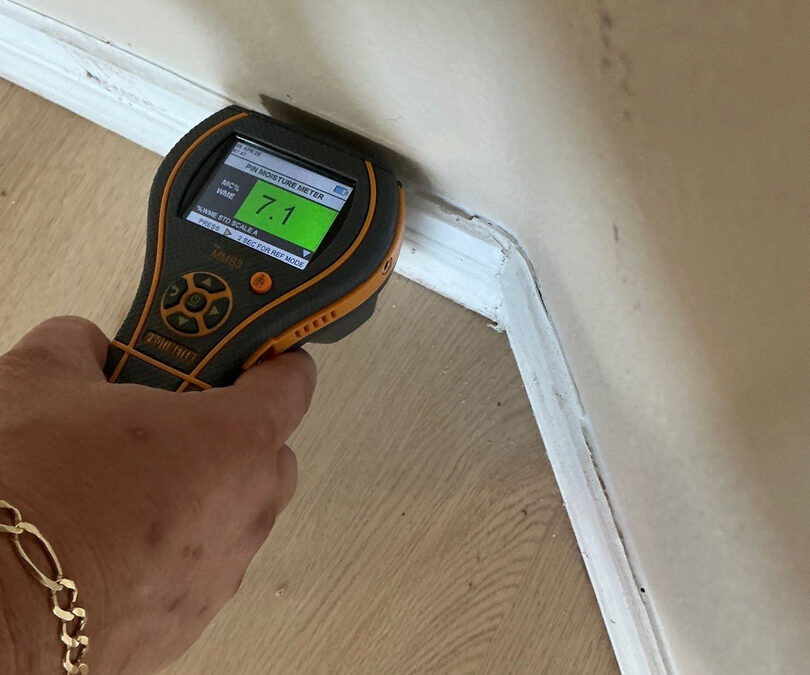
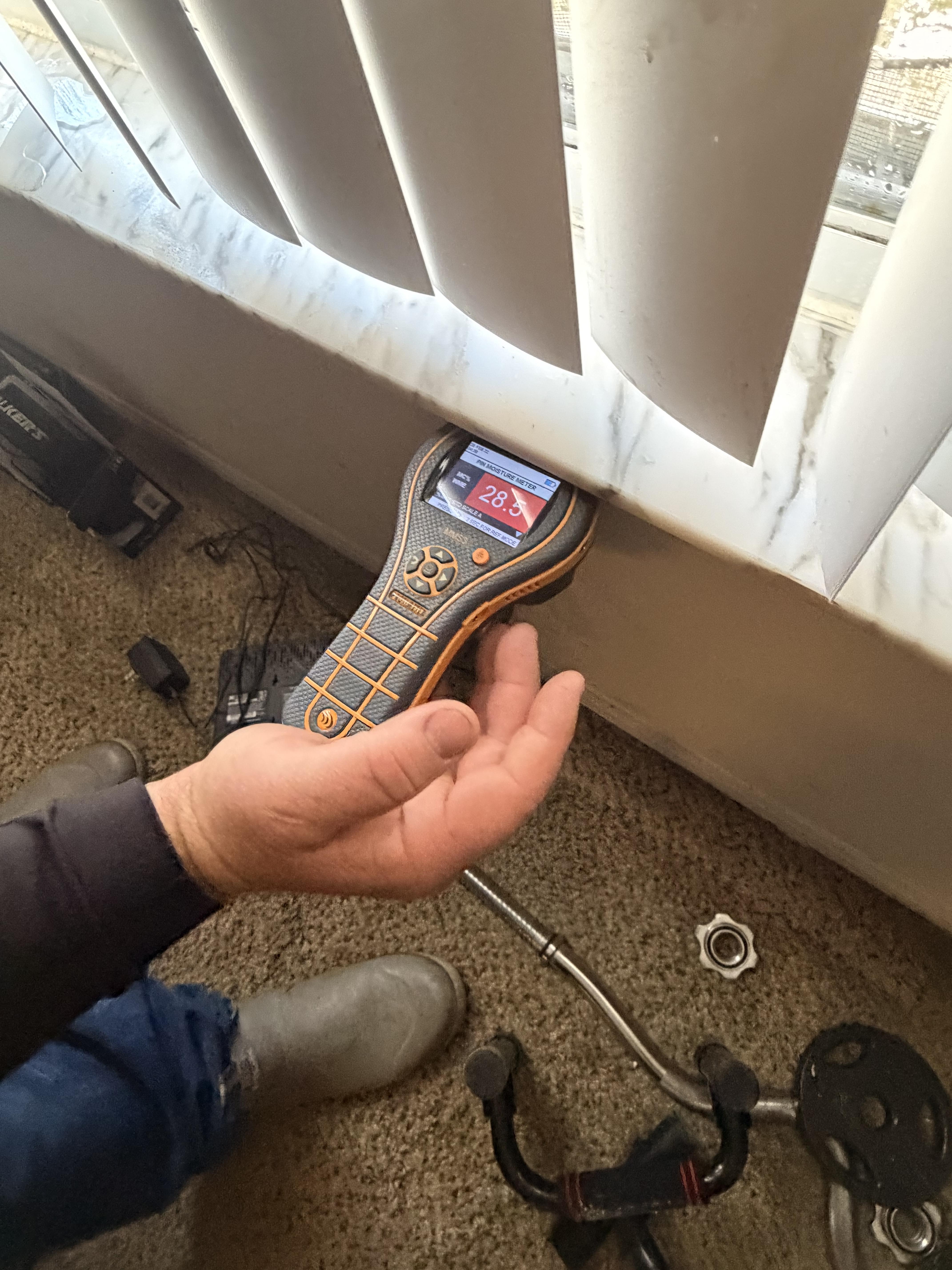
Unseen moisture can hide behind walls, under floors, or in crawl spaces. This hidden moisture is a primary cause of lingering odors. You can address these issues by identifying concealed dampness early. Use moisture meters to check for water retention in hidden areas. These tools provide precise readings, helping you pinpoint trouble spots before they escalate.
HVAC System Inspection Tips
Your HVAC system can also harbor moisture and odors. When your system circulates air, it can carry musty smells throughout your home. Inspecting and maintaining your HVAC system is essential. Regularly clean air filters and ducts to prevent mold and mildew buildup. By doing so, you ensure that your system circulates fresh, clean air.
Importance of Air Quality Testing
Air quality testing is vital to detect unseen pollutants. These tests reveal the presence of mold spores and other allergens. By conducting air quality tests, you gain insights into indoor air pollutants affecting your home. Once identified, you can take corrective action to improve your indoor environment.
Effective Odor Resolution Strategies
Now that the causes are clear, let’s move on to practical solutions. These strategies aim to eliminate odors and restore freshness.
Moisture Mapping Techniques
Moisture mapping is an advanced technique to locate damp areas accurately. It involves creating a detailed map of moisture distribution within your home. Professionals use infrared cameras and moisture meters for this task. By mapping moisture, you can target specific areas for remediation, preventing further damage.
Dehumidification Calibration Guide
Proper dehumidification is key to controlling indoor humidity. Start by calibrating your dehumidifier to the correct settings. This ensures optimal moisture removal. Set your dehumidifier to maintain a humidity level between 30% and 50%. This range discourages mold growth and diminishes odors.
Advanced Odor Removal Services
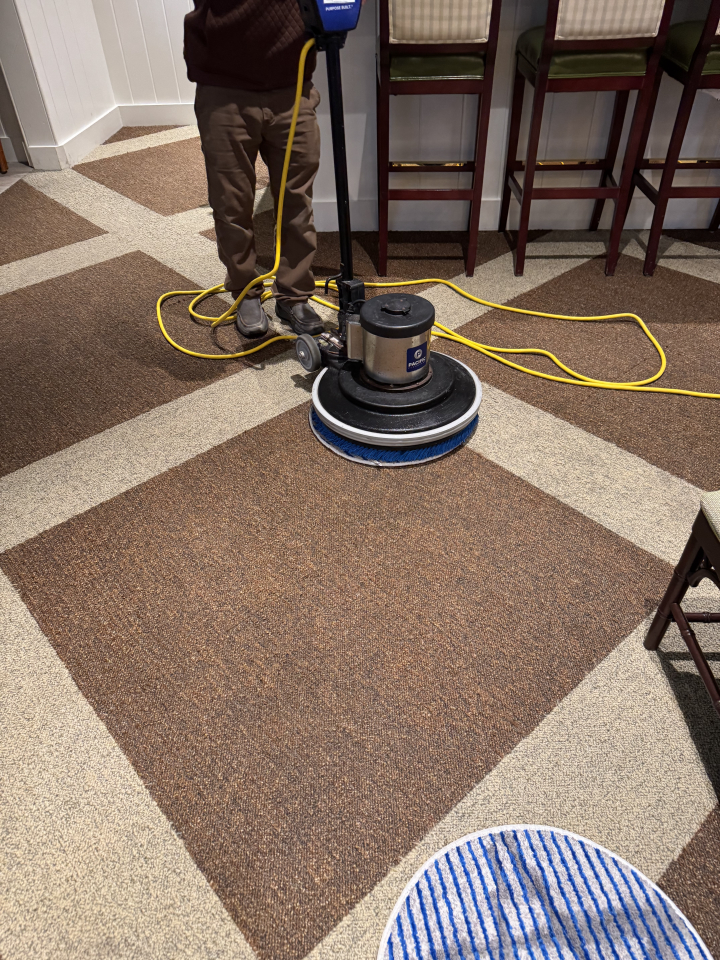
For persistent odors, professional odor removal services might be necessary. These services use specialized equipment like HEPA air scrubbers to purify the air. Advanced techniques also include hydroxyl generators, which neutralize odors effectively. By employing these services, you can restore your home’s freshness swiftly.
Partnering with Trusted Restoration Experts
Restoration experts bring the right tools and experience to resolve odor issues. Here’s why partnering with professionals makes a difference.
Benefits of IICRC-Certified Services
Choosing IICRC-certified services ensures quality. These certified professionals follow industry standards for restoration. With their expertise, you can trust that your home will be restored efficiently and effectively.
24/7 Emergency Response Advantage
Emergencies don’t wait for convenient times. A 24/7 emergency response team is crucial for immediate action. When water damage strikes, timely intervention prevents further issues like mold growth. Quick response reduces damage and speeds up the restoration process.
Florida’s Reliable Restoration Partner
In Florida, you face unique climate challenges. Partnering with a local restoration expert gives you an edge. They understand the specific needs of Florida homes and use the right techniques to combat local issues like humidity and mold.
Frequently Asked Questions
Why does my house still smell musty after a water damage cleanup?
Lingering musty odors often indicate hidden moisture, possibly trapped in walls or under floors. Regular moisture mapping helps detect these areas, allowing for prompt resolution.
How can I improve indoor air quality after water damage?
Improve air quality by cleaning HVAC systems, using dehumidifiers, and conducting air quality tests. These steps help remove pollutants and maintain a fresh indoor environment.
What tools do professionals use to remove persistent odors?
Professionals use tools like HEPA air scrubbers and hydroxyl generators. These advanced devices effectively neutralize odors, restoring freshness to your home.
By understanding the causes and solutions for persistent damp smells, you can effectively tackle these issues and ensure a healthier, more comfortable living environment.